
Plants
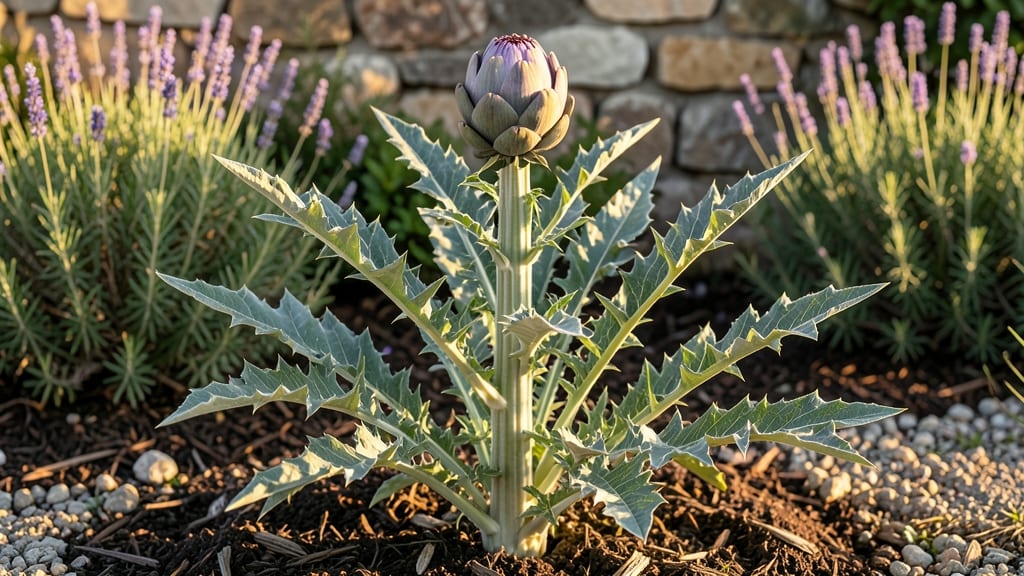
If you're wondering how tall an artichoke plant can grow, the answer might surprise you—especially if you're imagining a compact vegetable patch.
Globe artichoke plants (🌱 Cynara cardunculus) can reach heights of 5 to 6 feet in ideal conditions, making them more like small shrubs than the modest garden plants you might expect.
But here's the catch: their height depends on the variety, your climate, and how you care for them. Some dwarf varieties stay under 3 feet, while others—like 'Imperial Star'—can stretch toward the sky.
Whether you're working with limited space or a sprawling garden, understanding these differences is key to managing growth and maximizing your harvest.
In this guide, I’ll break down the height ranges for popular varieties, share tips for controlling overgrowth, and explain why some plants keep climbing while others stay put. By the end, you’ll know exactly what to expect—and how to keep your artichokes at the perfect height for your garden.
Ready to grow taller, healthier artichokes? Let’s dive into the details so you can plan your garden with confidence, no matter how much vertical space you have.

Artichoke plant height by variety: from compact to towering
Artichoke plants (Cynara cardunculus) come in a stunning range of heights, from dwarf varieties perfect for containers to towering giants that need space to spread. The height you’ll see depends on the variety, your climate zone, and how you care for them.
Let’s break down the most popular types and what to expect from each in terms of mature size.
If you’re working with a small garden, dwarf varieties like 'Baby Purple' or 'Violetto di Chioggia' stay between 2-3 feet tall, making them ideal for urban spaces or raised beds. These compact plants still produce delicious buds but won’t overwhelm your layout.
For larger gardens, standard varieties like 'Green Globe' or 'Romanesco' can reach 5-6 feet, sometimes even taller with ideal conditions.
Here’s the key difference: dwarf varieties focus on bud production over height, while standard varieties prioritize both size and yield.
Your local climate also plays a role—warmer regions like USDA Zones 8-10 often see taller plants, while cooler zones may limit growth to 3-4 feet unless you extend the season with row covers.
Soil quality matters too. Artichokes thrive in well-draining, slightly alkaline soil (pH 6.5-7.5). Poor soil can stunt growth, while rich, organic soil with added compost encourages taller, healthier plants.
If your soil is heavy clay, consider raising beds or amending with sand and compost to improve drainage and support stronger stems.
| Variety | Mature Height | Best For | Notes |
|---|---|---|---|
| Baby Purple | 2-3 ft | Containers, small gardens | Dwarf, purple buds, early harvest |
| Violetto di Chioggia | 3-4 ft | Mediterranean climates | Italian heirloom, deep purple buds |
| Green Globe | 5-6 ft | Large gardens, commercial growers | Most common, large green buds |
| Romanesco | 4-5 ft | Temperate zones, trellising | Spiky buds, great for drying |
| Imperial Star | 6+ ft | Warm climates, large spaces | Tallest variety, needs support |
🌱 Pro Tip: Always check your local nursery for region-specific varieties—they’re often better adapted to your climate!
When planning your garden, consider how tall your artichokes will grow and where they’ll fit. For example, 'Green Globe' plants can easily reach 6 feet, which means they’ll need 3-4 feet of space around them to avoid shading out nearby plants.
If you’re growing in rows, space them 2-3 feet apart to give their roots room to spread and support their height.
Another factor to watch is pruning. If you notice your plants becoming too leggy or producing fewer buds, a light pruning can encourage bushier growth and more harvests. Simply trim back the tallest stems by about 1/3 in early spring to redirect energy toward bud formation.
Just avoid pruning too late in the season, as this can stress the plant before harvest.
For container gardening, stick to dwarf varieties like 'Baby Purple' in pots at least 12 inches deep and 18 inches wide. Even these compact plants appreciate well-draining soil and regular watering, so don’t skimp on the pot size.
Place them in a sunny spot where they’ll get at least 6 hours of sunlight daily—this is non-negotiable for healthy growth.
If you’re in a cooler climate like USDA Zone 6 or lower, expect your artichokes to grow more slowly and stay shorter unless you use season extenders. Start seeds indoors 8-10 weeks before your last frost date, then transplant outdoors after all danger of frost has passed.
Use black plastic mulch to warm the soil and give your plants a head start.
Remember, the taller the plant, the more sturdy the stems need to be. Wind can easily topple 6-foot-tall varieties, so consider staking or trellising if you live in a breezy area. A simple b
Artichoke plant height by variety: from compact to towering
Artichoke plants (🌱 Cynara cardunculus) don’t follow a one-size-fits-all height rule—they vary dramatically depending on the variety you choose. Some stay compact enough for small gardens, while others grow tall enough to need vertical support.
For example, the popular Green Globe variety typically reaches 4 to 5 feet at maturity, while Romanesco artichokes can stretch up to 6 feet in ideal conditions.
If you’re working with limited space, dwarf varieties like Violetto di Chioggia are perfect—they usually max out at 2 to 3 feet. These smaller plants are also great for container gardening, making them ideal for balconies or patios.
Meanwhile, larger varieties like Imperial Star can grow even taller, sometimes exceeding 6 feet, especially in warm climates with plenty of sunlight.
Your local climate plays a huge role in height too. In Mediterranean climates, where artichokes thrive naturally, plants often grow taller due to longer growing seasons and warmer temperatures.
In cooler regions, like the Pacific Northwest, growth may be slower, resulting in slightly shorter plants unless you extend the season with row covers.
| Variety | Mature Height | Best For | Climate Notes |
|---|---|---|---|
| Green Globe | 4–5 ft | Home gardens, fresh markets | Thrives in zones 7–10 |
| Romanesco | 5–6 ft | Large gardens, trellises | Needs warm summers |
| Violetto di Chioggia | 2–3 ft | Containers, small spaces | Cold-hardy to zone 6 |
| Imperial Star | 6+ ft | Commercial growers, tall gardens | Best in zones 8–11 |
Soil quality also influences height—artichokes planted in well-draining, nutrient-rich soil tend to grow taller and produce more buds. If your soil is heavy or clay-like, consider amending it with compost or sand to encourage healthier root development. Over time, this can lead to stronger stems and greater height potential.
For gardeners in small spaces, choosing a dwarf variety isn’t your only option. Even taller varieties can be managed with pruning or trellising, which we’ll cover in the next section.
The key is to start with the right variety for your space and then adjust your care routine to keep growth in check.
No matter which variety you pick, remember that artichoke plants reward patience. With the right conditions, they’ll not only reach impressive heights but also produce abundant, flavorful buds that are well worth the wait. 🌿