
Flowers
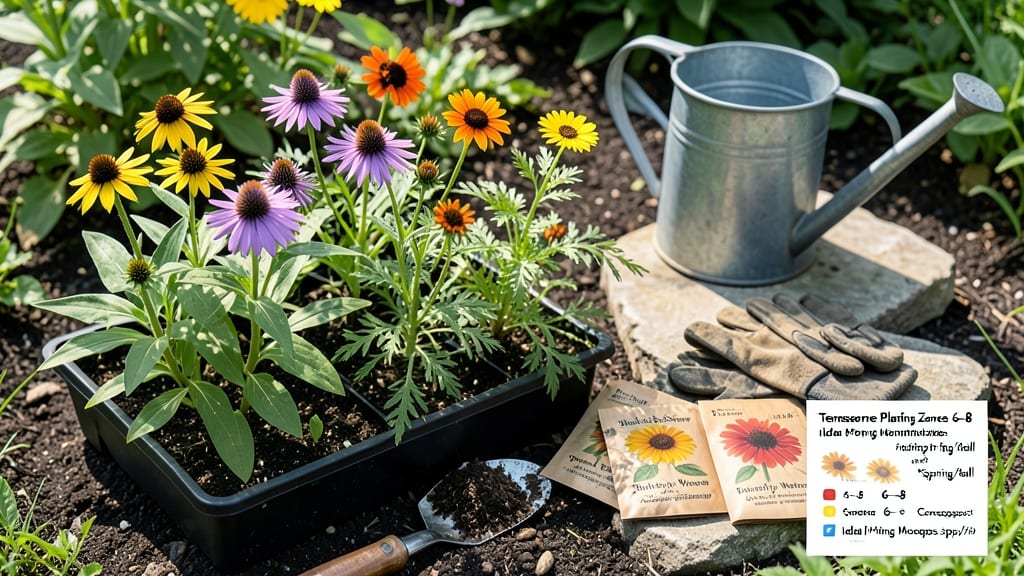
Timing your flower seeds planting in Tennessee can make or break your garden’s success—especially when frost dates shift unpredictably from east to west. One wrong move, and your 🌸 could wilt before they even bloom, leaving you scrambling to replant.
If you’ve ever stared at a seed packet wondering, “Is now the right time?” you’re not alone. Tennessee’s 6a-7b zones demand precision, with last frost dates ranging from mid-March in the west to early April in the mountains.
Plant too soon, and a surprise freeze will kill tender seedlings; too late, and you’ll miss peak summer blooms.
But here’s the good news: with the right schedule, you can stretch your blooms from spring to fall—even in Tennessee’s heat and humidity. I’ll break down the exact months to sow annuals, perennials, and bulbs, plus pro tips to beat frost and extend your season.
Let’s turn your garden into a year-round showstopper.
Ready to stop guessing and start growing? We’ll cover everything from soil temps to region-specific exceptions so your flower seeds thrive from day one. No more wasted seeds or missed opportunities—just vibrant, reliable blooms.
Tennessee frost dates by region: when to plant flower seeds by last spring frost
Tennessee’s three distinct regions—East, Middle, and West—each have unique last frost dates that dictate when to plant flower seeds. The East Tennessee mountains (Zone 6a) often see frost until April 15, while the West Tennessee plains (Zone 7b) typically warm up by March 15.
Middle Tennessee (Zone 7a) falls somewhere in between, with average last frost dates around March 25.
Understanding these regional frost windows helps you avoid late-spring freezes that can kill tender seedlings.
For example, cool-season flowers like pansies thrive when planted 6-8 weeks before the last frost, while warm-season favorites like zinnias need to wait until soil temperatures reach 60°F—usually after April 15 in most areas.
Here’s how frost dates break down by region, along with key planting windows for your flower seed schedule:
| Region | Avg. Last Spring Frost | Avg. First Fall Frost | Best Time to Plant Cool-Season Flowers | Best Time to Plant Warm-Season Flowers |
|---|---|---|---|---|
| East Tennessee (Zone 6a) | April 15 | November 5 | March 1–April 15 | April 20–May 15 |
| Middle Tennessee (Zone 7a) | March 25 | October 30 | February 15–March 30 | April 1–May 10 |
| West Tennessee (Zone 7b) | March 15 | November 15 | February 1–March 15 | March 20–April 20 |
For high-altitude areas (e.g., Great Smoky Mountains), frost can linger until May 1, so adjust your planting schedule accordingly. Always check local weather forecasts in late winter, as unpredictable late frosts can still occur even after the average date.
If you’re unsure about your exact last frost date, use a frost-sensitive plant like coleus as a test. Plant it outdoors in early spring—if it survives, your frost risk has passed for warm-season flowers.
Another pro tip: Start cool-season flowers indoors 4-6 weeks before your region’s last frost date. This gives them a head start and ensures vibrant blooms as soon as the weather warms up. For example, pansies and snapdragons can be sown indoors in February for East Tennessee gardeners.
For warm-season flowers, wait until the soil temperature consistently stays above 60°F. Use a soil thermometer to monitor—most garden centers sell them for under $10. If you plant too early, seeds may rot or seedlings could stunt from cold stress.
Don’t forget about fall planting! Many annuals and perennials thrive when sown in late summer for fall and winter blooms. Aim to plant these 8-10 weeks before your first frost, which typically falls between October 30 and November 15.
🌱
Best flower seed planting schedule by variety type (annuals, perennials, bulbs)
Tennessee’s diverse climate zones mean your flower seed schedule should adjust based on whether you’re growing annuals, perennials, or bulbs. Most gardeners aim for spring planting after the last frost, but some varieties thrive with fall sowing for early blooms.
Let’s break down the best times for Tennessee’s most popular flowers.
For annual flowers like marigolds and zinnias, start seeds indoors 6-8 weeks before your last frost date. In Tennessee, this typically means mid-February to early March for most regions. Transplant seedlings outdoors after April 15, when soil temperatures consistently reach 60°F or warmer.
Perennial flowers like coneflowers and bee balm are hardy once established, so you can plant them anytime soil is workable—typically March through May or late summer (August-September). Fall planting gives roots time to establish before winter, often resulting in earlier and more robust blooms the following spring.
If you love long-lasting blooms, try succession planting for annuals like zinnias or sunflowers. Sow a new batch every 2-3 weeks from May through July to enjoy continuous color until frost.
For bulbs like tulips, plant them in fall (October-November) for spring blooms, but avoid planting too early if soil temperatures stay above 60°F.
For heat-loving varieties such as lantana or salvia, wait until late May when nights are consistently warm. These plants thrive in Tennessee’s summer heat and will reward you with bold, long-lasting blooms through fall.
Always check seed packets for days to maturity to time your planting for peak blooming periods.
Pro tip: Use row covers or cold frames to extend your growing season for early or late plantings. This lets you start seeds indoors in February or plant fall flowers in October without fear of frost damage. Just