
Companion Plants
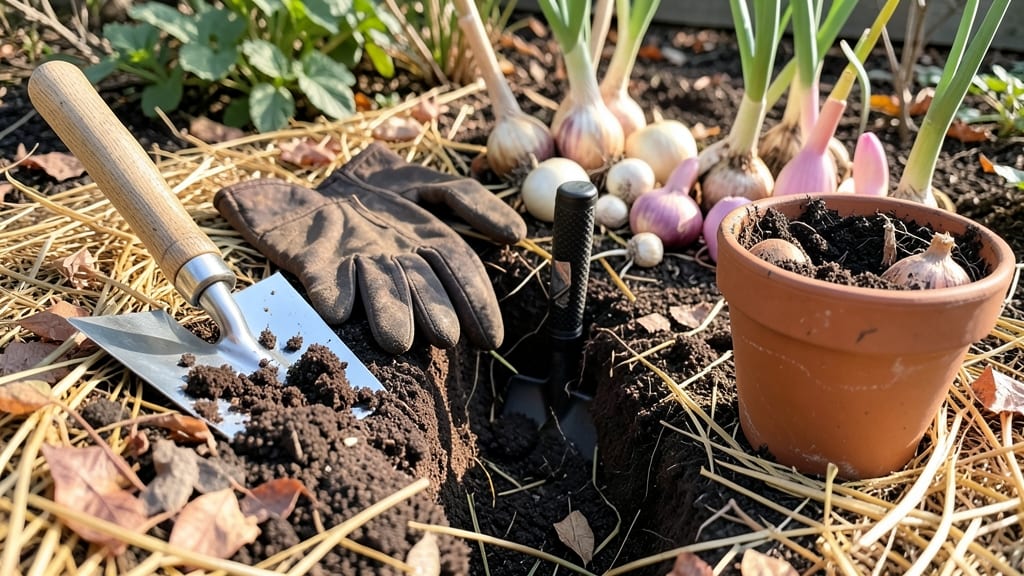
Timing your fall bulb planting perfectly ensures vibrant spring blooms—but getting it wrong can leave you waiting for flowers that never arrive.
The 6-8 weeks before first frost window is your golden opportunity, especially in USDA Zone 6 where 🌷 Spring Flowering Bulbs (Tulips, Daffodils, Hyacinths, etc.) thrive when planted just right.
I’ve learned the hard way that planting too early can trigger premature sprouting, while waiting too long risks bulbs rotting before winter sets in. The solution? Understanding your region’s chill-hour requirements and matching them to your bulb types.
Whether you’re in a cold northern climate or a milder southern zone, this guide will help you pinpoint the exact moment to plant for maximum success.
You’ll discover how soil temperature, frost dates, and even your local microclimate play a role in creating the perfect conditions. We’ll break down the best bulbs for your zone, soil prep tips, and post-planting care to ensure those 🌷 blooms pop up reliably year after year.
Let’s get those bulbs in the ground at the perfect time!
Ready to transform your garden next spring? By the end of this, you’ll know exactly when to plant—no more guessing, just stunning results. The secret starts with knowing your zone, your bulbs, and your timing. Let’s dive in!
Fall bulb planting timeline by USDA zone and chill-hour requirements
Timing your fall bulb planting depends on two critical factors: your USDA hardiness zone and the chill-hour requirements of each bulb variety.
In colder zones (3-5), you can plant as early as September, while warmer zones (7-10) may need to wait until November or even December to avoid premature sprouting. Understanding these variables ensures your bulbs get the perfect dormancy period before spring blooms.
Most spring-flowering bulbs like tulips and daffodils need 4-16 weeks of chilly soil temperatures (below 60°F) to develop strong roots. Planting too early in warm climates can trigger early growth, which weakens bulbs and reduces flowering.
Conversely, planting too late leaves them vulnerable to freeze-thaw cycles, which can damage tender roots.
Here’s how to align your planting with your zone and bulb type for maximum bloom success:
| USDA Zone | Ideal Planting Window | Chill-Hour Needs | Best Bulb Varieties | Soil Temp Goal |
|---|---|---|---|---|
| 3-4 (Alaska, Northern Plains) | Mid-September to early October | 12-16 weeks below 60°F | Tulips, Daffodils, Hyacinths | 40-50°F |
| 5-6 (Northeast, Midwest) | Late September to mid-October | 8-12 weeks below 60°F | Crocus, Alliums, Snowdrops | 45-55°F |
| 7-8 (Southeast, Pacific Northwest) | October to early November | 4-8 weeks below 60°F | Rain Lilies, Cyclamen, Spanish Bluebells | 50-60°F |
| 9-10 (Southern California, Florida) | November to December | 2-4 weeks below 60°F | Crinum Lilies, Nerine, Galtonia | 55-65°F |
For example, in USDA Zone 6 (like much of the Midwest), aim to plant by mid-October—this gives bulbs like tulips enough time to root before winter while avoiding the risk of early sprouting in warmer falls.
In Zone 9, however, wait until November to prevent bulbs from waking up too soon in mild winters.
Pro tip: Use a soil thermometer to monitor temperatures. Bulbs should be planted when soil is consistently below 60°F at a depth of 4-6 inches. This ensures they’ll enter dormancy naturally, setting the stage for vibrant spring blooms.
If you’re in a transition zone (e.g., Zone 7b vs. 7a), err on the side of planting later. Early frosts can damage tender roots, while late frosts may not provide enough chill time. Always check your local frost dates and adjust accordingly.
Another key factor is bulb size. Larger bulbs (like 12/0 daffodils) need deeper planting (8 inches deep) and may require slightly earlier planting to establish roots.
Smaller bulbs (like crocus) can be planted closer to the surface (3-4 inches deep) and often tolerate later planting.
Finally, consider microclimates in your garden. A north-facing bed stays cooler longer than a south-facing one, so you might plant earlier in shaded areas. Conversely, container-grown bulbs in warm climates may need to be moved to a cooler garage or basement until soil temperatures drop.
By matching your planting timeline to your zone and bulb type, you’ll avoid the most common mistakes—like premature sprouting or weak root development—and enjoy a garden bursting with color next spring. 🌷
How to match your bulbs to local climate for maximum bloom success
Matching your fall bulbs to your local climate isn’t just about picking a month—it’s about understanding chill hours and frost dates. Bulbs like tulips and daffodils need a cold dormancy period to bloom, while others, like rain lilies, thrive in warmer winters.
Start by checking your USDA zone and the chill-hour requirements on your bulb packaging.
For example, tulips typically require 12-16 weeks of cold below 40°F (4°C), while crocuses need only 6-8 weeks. Planting too early in mild climates can cause bulbs to sprout prematurely, weakening them. Conversely, planting too late in cold zones risks bulbs not getting enough dormancy time.
🚨 CRITICAL TIP: Use your local frost date as a guide. Aim to plant bulbs 6-8 weeks before the ground freezes. In Zone 5, this might mean early October, while in Zone 9, you could plant as late as December.
Always double-check with your local cooperative extension service for precise dates.
⚠️ Common Mistakes to Avoid
- Planting too early in warm climates → premature sprouting and weak growth.
- Planting too late in cold zones → insufficient chill hours and no blooms.
- Ignoring soil temperature → Bulbs need 40-50°F (4-10°C) soil for root growth.
Use a soil thermometer to confirm ideal conditions before planting.
Adjust your planting timeline based on early or late frosts. If your area has unpredictable weather, opt for hardier bulbs like alliums or fritillaries, which tolerate more variability. For tender bulbs (e.g., gladiolus), plant in late fall or even early spring in warmer zones.
Pro tip: Group bulbs by chill-hour needs in your garden. Plant high-chill varieties (like tulips) in the coolest spots and low-chill varieties (like rain lilies) in warmer microclimates. This maximizes your chances of reliable blooms regardless of winter conditions.
Finally, don’t forget to mulch after planting to insulate bulbs from temperature swings and retain moisture. A 2-3 inch layer of straw or shredded leaves works perfectly. With the right bulb-climate match, you’ll enjoy vibrant spring blooms year after year.