
Plants
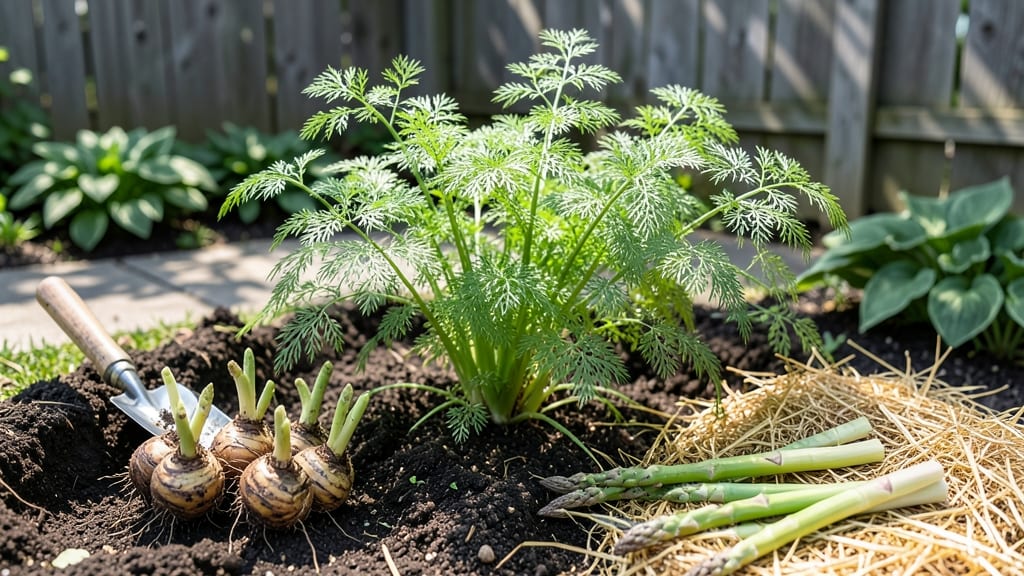
Timing your asparagus planting in Minnesota can mean the difference between a thriving garden and a disappointing flop—especially when unpredictable frosts lurk around every corner. The 4a-5a zone demands precision, and getting those crowns in the ground just right ensures spears for years to come.
Whether you're a first-time gardener or a seasoned green thumb, knowing the exact frost-free window for your variety is the key to success.
Most Minnesota gardeners plant asparagus in early spring, but the right moment depends on your last frost date and soil temperature. Cold-hardy varieties like Jersey Knight can handle cooler soils, while others need the ground to warm up a bit first.
I’ll break down the ideal planting window so you can avoid common mistakes that lead to stunted growth or wasted effort.
Here’s what you’ll discover: the best months to plant based on your region, how to prep your soil for Minnesota’s clay-heavy conditions, and why patience pays off—harvesting typically takes 2-3 years of careful tending. Let’s get those 🌱 asparagus crowns in the ground the right way.
Ready to turn your garden into a spear-producing powerhouse? The secret starts with timing, and I’ve got the exact steps to make it happen—no guesswork required.
Minnesota asparagus planting dates by variety: frost-free windows for strong starts
Timing your asparagus planting in Minnesota is all about balancing frost dates with soil temperatures. Since Minnesota spans USDA zones 3-5, your exact window depends on whether you're in northern (Zone 3) or southern (Zone 5) regions.
Most gardeners aim to plant 4-6 weeks before the last frost, but cold-hardy varieties like Jersey Knight can handle earlier starts than Purple Passion or UC-157.
For northern Minnesota (e.g., Duluth), target early May when soil reaches 50°F. In southern Minnesota (e.g., Rochester), you can plant as early as late March to mid-April, provided the ground isn't frozen.
Always check your local frost-free date—Minnesota's averages range from May 10 (north) to April 15 (south).
Here’s the key: asparagus crowns need consistent warmth to root, but young shoots can’t survive late frosts. Planting too early risks frost heave (when soil freezes and lifts plants), while planting too late delays your first harvest by a year or more.
| Variety | Cold Hardiness | Best Planting Window | Soil Temp Requirement | Notes |
|---|---|---|---|---|
| Jersey Knight | Zone 3-5 | Late March–April (south) / Early May (north) | 45–50°F | Cold-hardy; best for early harvests |
| Mary Washington | Zone 4-5 | Mid-April–May | 50–55°F | Classic variety; needs warmer soil |
| Purple Passion | Zone 4-6 | Late April–May | 55–60°F | Mid-season; decorative purple spears |
| UC-157 | Zone 5-7 | Early May–June | 60–65°F | Heat-tolerant; later harvest |
If you’re in Zone 4a (e.g., Minneapolis), aim for mid-April planting.
For Zone 5a (e.g., Winona), you can start as early as late March, but cover crowns with straw mulch if nights dip below 30°F. Fall planting isn’t recommended in Minnesota—asparagus crowns need dormancy to establish roots, and our early freezes (by October 15) make it risky.
Another critical factor is microclimates. Gardens near lakes or south-facing slopes warm up faster—plant there if your yard has late-spring frosts. Avoid low spots where cold air pools, as young asparagus is especially vulnerable to black rot in damp conditions.
Remember: asparagus is a perennial, meaning it takes 2-3 years to reach full production.
Planting at the right time ensures your first harvest in year 2 or 3, not year 4. Jersey Knight, for example, can produce spears by late May if planted correctly, while Purple Passion waits until June.
For container growing in Minnesota, use large pots (18"+ deep) and plant 1-2 crowns per container.
Move containers to a protected spot (like a greenhouse or garage) if frost warnings appear after planting. Black plastic mulch can warm soil by 5–10°F, extending your planting window by 1-2 weeks.
Finally, track your progress! Mark your planting date and first spear emergence in a garden journal. In Minnesota, spears typically appear 60–90 days after planting, but this varies by variety and soil warmth. Adjust next year’s timing based on your notes.
With the right planting window and variety choice, your Minnesota asparagus patch could yield spears for 15+ years—making the timing investment well worth it. 🌱
How to prepare your Minnesota garden bed for asparagus success
Preparing your garden bed properly is the foundation for healthy asparagus that thrives in Minnesota’s clay-heavy, freeze-thaw cycles. Start by testing your soil pH—asparagus prefers 6.5 to 7.5.
If your soil is too acidic, amend it with lime in the fall. The key is creating a well-draining bed to prevent soggy roots during Minnesota’s wet springs.
Incorporate 3-4 inches of compost or well-rotted manure into the top 12 inches of soil. Asparagus is a perennial, so enriching the soil now saves you work later. For heavy clay soils, mix in sand or peat moss to improve drainage.
This step is critical—poor drainage leads to root rot, which can kill your plants before they even produce spears.
Next, loosen the soil to a depth of 12-18 inches using a broadfork or tiller. Avoid compacting the soil further, as asparagus roots need room to spread horizontally. If your garden bed is raised, ensure it’s at least 12 inches deep to accommodate the plant’s deep-rooted nature.
Raised beds also warm up faster in spring, giving your asparagus a head start.
🌱 Step-by-Step Soil Prep for Asparagus
- 📝 Test soil pH (aim for 6.5-7.5)
- 🌱 Add 3-4 inches compost to top 12" of soil
- 🔄 Loosen soil to 12-18" depth with broadfork
- 💧 Amend clay soil with sand/peat moss for drainage
- ☀️ Choose a full-sun spot (6+ hours daily)
- 🌿 Plant crowns 12-18" apart in trenches
Choose a sunny location with at least 6 hours of direct sunlight daily. Asparagus won’t tolerate shade, and Minnesota’s short growing season means every sunny minute counts.
If your yard has partial shade, consider planting dwarf varieties like ‘Pacific 2000’ in slightly shadier spots. Just remember—less sun means fewer spears.
Before planting, create trenches 6-8 inches deep and space them 18 inches apart. This allows roots to spread without competing for nutrients. Add a 2-inch layer of compost to the bottom of each trench to give your asparagus crowns a nutrient boost right away.
Mulch the entire bed with straw or wood chips to retain moisture and suppress weeds—critical in Minnesota’s volatile spring weather.
Finally, consider companion planting to deter pests like asparagus beetles. Plant chives, thyme, or marigolds nearby—their scents repel beetles while adding beauty to your garden. Avoid planting near potatoes or tomatoes, as they compete for nutrients and attract similar pests.
With your bed prepped, you’re ready to plant crowns 4-6 weeks before your last frost date for a successful harvest in 2-3 years.