Plants
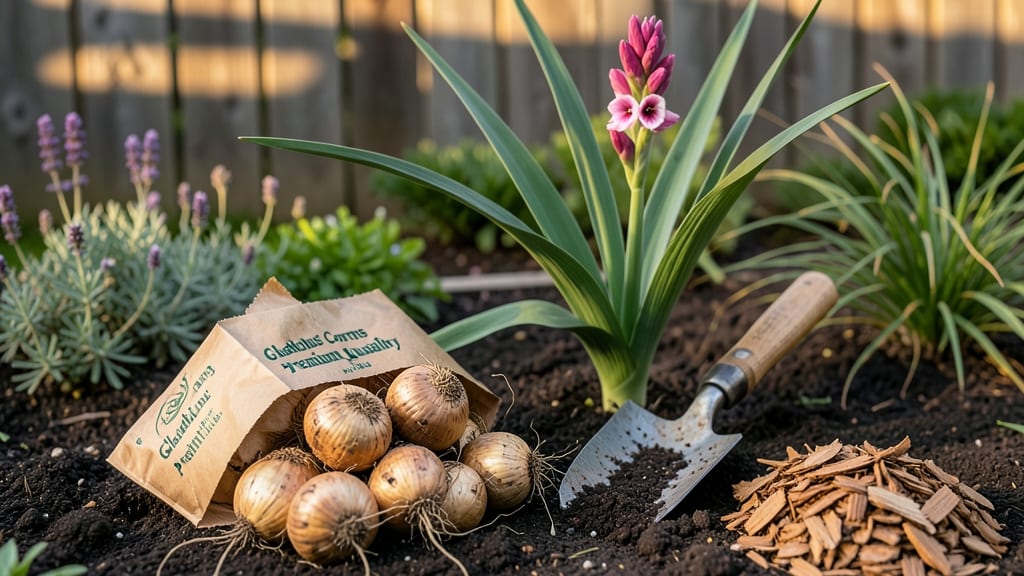
Optimal Florida gladiolus planting months by region (with heat-resistant variety recommendations)
Florida’s diverse climate zones mean your planting schedule should vary depending on whether you’re in North, Central, or South Florida. Unlike cooler climates, Florida’s frost-free growing season allows year-round gardening—but timing is everything for gladiolus blooms.
The key is planting after the hottest summer months, when temperatures dip slightly.
Gladiolus corms thrive in USDA Zones 9a-11, but even within Florida, microclimates create differences. For example, North Florida’s slightly cooler summers (like Gainesville) allow earlier planting than South Florida’s intense heat (Miami). The goal is to avoid planting when daytime temps exceed 90°F consistently, which stresses corms.
Heat-resistant varieties like 'White Friendship' and 'Pink Parfait' are your best bets—they tolerate 90°F+ temperatures better than traditional types. These varieties also handle Florida’s humidity and occasional storms with fewer issues. Pair them with well-draining soil and morning watering to maximize success.
🌸 Florida Gladiolus Planting Guide by Region
| Region | Best Planting Window | Heat-Tolerant Varieties | Soil Prep Tip | Bloom Time |
|---|---|---|---|---|
| North Florida (Zone 8a) | Late June–July | 'Green Star,' 'Black Pearl' | Add compost; avoid clay soil | Sept–Nov |
| Central Florida (Zone 9a) | July–August | 'White Friendship,' 'Pink Parfait' | Mulch with pine straw | Oct–Dec |
| South Florida (Zone 10a+) | August–September | 'Navajo,' 'Picasso' | Raise beds for drainage | Nov–Jan |
For North Florida, aim for late June to July when daytime highs start to ease from the 95°F+ peak. Varieties like 'Green Star' handle the transition well and bloom by September.
In Central Florida, July–August is ideal—this gives corms time to establish roots before the humid summer rains peak.
In South Florida, where August–September planting is critical, 'Navajo' and 'Picasso' varieties shine. These months offer lower humidity and cooler nights, reducing stress on corms. If you plant in June, use shade cloth until temps drop below 90°F daily.
Soil preparation is non-negotiable. Gladiolus hate soggy roots, so amend heavy clay with compost or sand to improve drainage. In South Florida’s sandy soils, mix in organic matter to retain moisture. A pH of 6.0–6.8 is perfect—test your soil and adjust with lime or sulfur if needed.
Pro tip: Plant 4–6 inches deep and 6 inches apart in rows. This spacing prevents fungal diseases (common in Florida’s humidity) and makes harvesting blooms easier. After planting, water deeply once a week to encourage root growth before tapering to every 3–5 days in summer.
With the right timing and varieties, your gladiolus will reward you with bold blooms from October through January, even in Florida’s heat. The secret? Plant early enough to avoid peak summer stress, but not so early that corms rot in the humidity. Balance is everything!
How to adjust planting timing for Florida’s microclimates (and avoid common mistakes)
Florida’s microclimates can shift gladiolus planting windows by weeks—especially when comparing coastal areas to inland zones. In South Florida’s Zone 11, where temperatures rarely dip below 70°F, you can plant as early as June for fall blooms.
Meanwhile, North Florida’s Zone 8 gardeners should wait until mid-August to avoid heat stress. The key is aligning planting with your local last 90°F+ stretch—gladiolus corms need 6-8 weeks to establish roots before cooler weather arrives.
Urban heat islands—like Miami’s downtown or Tallahassee’s city core—can add 5-10°F to ambient temps, forcing earlier shade protection. If your yard feels like an oven by 11 AM, opt for late-afternoon planting (4–6 PM) to reduce transplant shock.
Coastal areas benefit from sea breezes, which naturally cool soil, while inland zones may need drip irrigation to maintain moisture during dry July heatwaves.
🚨 NON-NEGOTIABLE: Overwatering in Florida’s humid summers is a silent killer. Gladiolus corms rot in waterlogged soil, yet many gardeners drown them thinking they need constant moisture.
The fix? Well-draining soil with organic matter (compost or peat moss) and a mulch layer to retain 1–2 inches of moisture without soggy roots. Use a soil moisture meter—aim for 40–50% moisture at planting depth.
⚠️ Common Mistake: Planting Too Early in Heat
Gladiolus corms planted in June or July in North Florida often bolt prematurely (shoot up too fast) or wilt from heat stress. Signs of trouble: Yellowing leaves, flopping stalks, or buds that fail to open.
The solution? Wait until August 1–15 for most regions—this gives corms time to root before September’s rainfall triggers growth.
For coastal gardeners, salt spray and sandy soil demand extra care. Amend soil with 2–3 inches of compost and use osmocote fertilizer (slow-release) to avoid nutrient loss from saltwater wind.
Inland areas should test for soil pH (6.0–7.0)—gladiolus hates acidic soil, which locks out phosphorus. If your soil is below pH 6.0, add lime 2–3 weeks before planting.
Shade cloth (30–50% coverage) is your best friend during peak summer. Stretch it over corms for 2–3 hours daily if temps exceed 95°F. Pair this with morning watering (before 10 AM) to mimic natural rainfall patterns.
Avoid evening watering—wet foliage at night invites fungal diseases like botrytis, which causes brown, mushy stems.
Pro tip: Mark your calendar for September 15—this is the last safe planting date for most of Florida. After this, corms won’t have enough time to root deeply before cooling temps slow growth.
For extended blooms, stagger plantings every 2–3 weeks from August 1–September 15. This ensures continuous flowers from October through December, just in time for holiday arrangements!