
Lawn
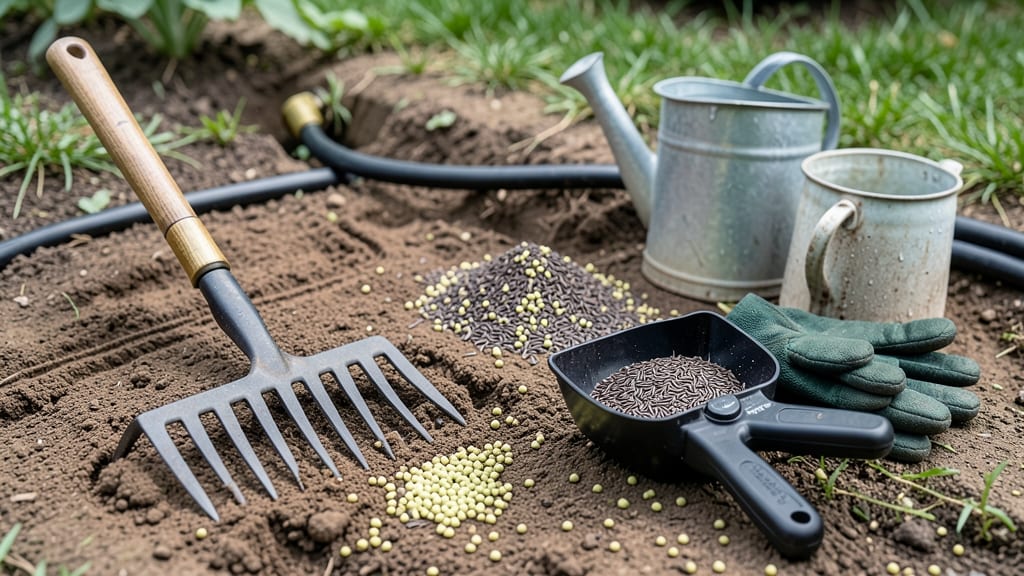
Timing your grass seed planting in Virginia perfectly can transform your lawn from a patchy eyesore to a vibrant, envy-inducing carpet—if you play by Mother Nature's rules.
The state's 6a-8a zones create dramatic shifts in temperature and frost patterns, meaning what works in Richmond might flop in Roanoke if you're not careful. Let me show you the exact windows—spring and fall—that give your 🌱 turfgrass the best shot at thriving.
Most gardeners assume "spring planting" means March, but in Virginia's Piedmont region, waiting until soil warms to 60°F (usually late March or early April) makes all the difference. Meanwhile, fall planting in August-September gives seedlings a head start before winter chill sets in.
These aren't just random dates—they're backed by decades of local growing data that account for Virginia's unique microclimates.
What separates successful lawns from struggling ones? It's not just about when you plant—it's about understanding how your specific corner of Virginia behaves. Urban heat islands in Norfolk bake seeds prematurely, while mountain valleys in Roanoke stay cooler longer.
I'll walk you through how to read your local frost dates and adjust your schedule accordingly, so you're never caught off guard by an unexpected freeze.
Ready to ditch the guesswork? You'll learn the precise temperature thresholds to watch for, how to prep your soil for maximum germination, and the 3 critical care steps that keep your new grass from washing away or drying out.
Let's get your lawn on the fast track to green glory—without the trial and error.
Virginia’s ideal grass seed planting months by USDA hardiness Zone
Virginia’s diverse climate—from the cool Appalachian Mountains to the humid Coastal Plain—means your grass seed planting window varies dramatically by region. The USDA divides Virginia into zones 5a through 8a, each with unique frost dates and temperature thresholds that dictate the best time to plant grass seed.
For most of the state, early spring (March-April) and early fall (August-September) are the goldilocks periods, but let’s break it down by zone to avoid costly mistakes.
In Zone 5a (Northwest Mountains), like the Shenandoah Valley, cool-season grasses like tall fescue thrive when planted in late April to early May. The soil must stay above 50°F (10°C) for at least 2 weeks to prevent seed rot.
Meanwhile, Zone 8a (Coastal Plain), including Norfolk and Virginia Beach, can start warm-season grasses like Bermuda as early as mid-March, as frost is rare and soil warms quickly.
Here’s how Virginia’s USDA zones align with planting success, including the ideal months, temperature triggers, and grass type recommendations for each region:
Notice how Zone 7a (Central Virginia) offers a dual planting window—both spring and fall—because its mild winters and hot summers allow for two growing seasons. This flexibility is why tall fescue (a cool-season grass) and Bermuda (warm-season) both thrive here.
In contrast, Zone 5a’s shorter growing season limits you to one optimal window, making early spring the only viable choice.
For fall planting, aim to seed 6 weeks before the first frost. In Zone 8a (Coastal Plain), that means late August to early September, while Zone 6a (Piedmont) gardeners should plant by mid-September to avoid winter stress.
The key is giving seeds time to establish roots before soil temps drop below 50°F (10°C).
Pro tip: Use a soil thermometer to confirm readiness. Grass seeds need consistent soil temps above 55°F (13°C) for germination. In Zone 7a, this often aligns with mid-March for spring and early September for fall.
If you plant too early and a late frost hits, your seedlings will brown and die—a heartbreaking but common mistake.
Here’s how to adjust for your specific location: 1. Check your USDA zone using the USDA Plant Hardiness Zone Map. 2. Note your last frost date (e.g., March 15 in Richmond, April 15 in Roanoke). 3. Plant 4–6 weeks before or
How Virginia’s microclimates affect grass seed germination timing
Virginia’s diverse geography—from the Coastal Plain’s humid lowlands to the Blue Ridge Mountains’ cooler elevations—creates microclimates that can shift your grass seed germination window by weeks. What works in Richmond’s Zone 7b may fail in Roanoke’s Zone 6b if you don’t account for these local variations.
Understanding these nuances lets you time planting precisely for success.
For example, urban heat islands in cities like Norfolk or Arlington can push soil temperatures 5-10°F warmer than rural areas just 10 miles away. This means your ideal planting window might start 2 weeks earlier in the city than in the countryside.
Meanwhile, river valleys like the Shenandoah often experience earlier frosts, requiring adjustments to your fall planting schedule.
Here’s how to adjust your timing using simple tools most gardeners already have:
Use a soil thermometer to confirm 50-60°F soil temps (ideal for cool-season grasses like tall fescue) before planting. Warm-season grasses (Bermuda) need 65-75°F.
Check your local frost dates (use the National Weather Service or Old Farmer’s Almanac) to avoid planting 4-6 weeks before the first frost in fall or 2 weeks after the last frost in spring.
For high-elevation areas (e.g., Appalachian foothills), plant cool-season grasses in late April instead of March, as soil warms slower. Warm-season grasses may need a June planting instead of May.
In urban microclimates, monitor for heat stress—if daytime temps exceed 90°F for 3+ days, delay planting until evening temps drop below 80°F.
Use shade maps of your yard (free apps like Sun Surveyor work) to spot microclimate pockets. Areas with <4 hours of sun may need shade-tolerant grasses like fine fescue and adjusted planting times.
Pro tip: If you’re unsure about your microclimate, plant a test strip of seed in a 10x10 ft area 2 weeks before your target date. If germination is slow or patchy, wait another week—your local conditions are likely too harsh for optimal growth.
For Coastal Virginia, where humidity and salt spray can stress seedlings, delay spring planting until mid-April to avoid fungal diseases like dollar spot. In the Mountains, where late frosts are common, wait until May 1 for cool-season grasses to ensure safety.
Remember: Precision timing isn’t just about the calendar—it’s about listening to your local environment. Keep a gardening journal to track what works (or fails) each year, and adjust your schedule accordingly. With these microclimate tweaks, you’ll maximize germination rates and minimize stress on your new lawn.