
Plants
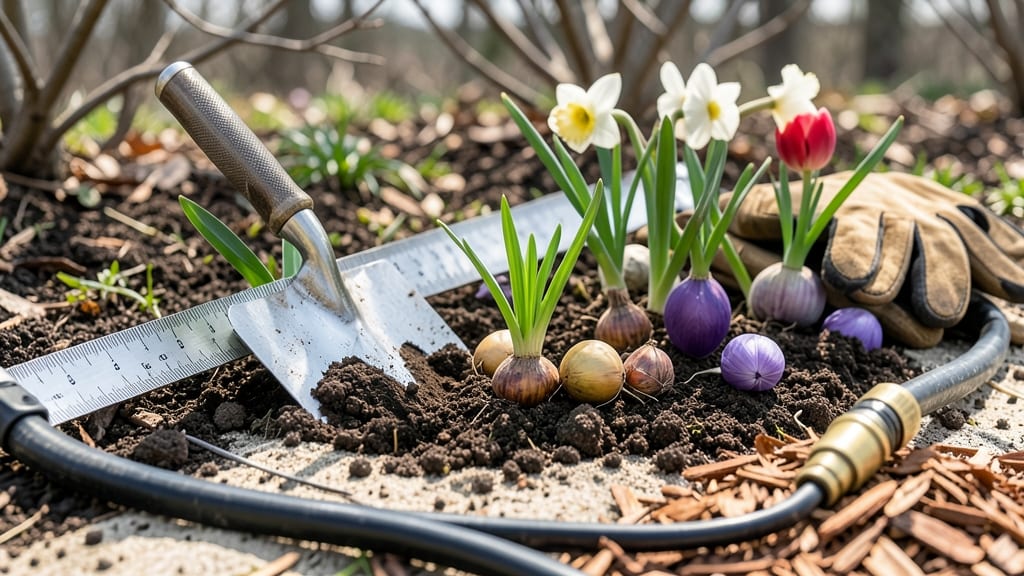
If you’ve ever planted spring flowering bulbs 🌷 in Kentucky only to watch them fail to bloom, timing might be the culprit.
The key to vibrant tulips, daffodils, and hyacinths isn’t just about digging a hole—it’s about matching your bulbs to Kentucky’s chill-hour zones and planting them at the perfect moment.
Fall is the golden window for most bulbs, but getting it wrong can mean frost-heaved soil or bulbs that never wake up.
I’ll break down exactly when to plant in Kentucky’s 6a-7a zones, which bulbs thrive here, and how to prep your soil for success—so you can enjoy those cheerful blooms from April through June.
Whether you’re a first-time gardener or a seasoned pro, this guide cuts through the guesswork. You’ll learn how to time your planting for reliable blooms, avoid common mistakes, and even adjust for Kentucky’s microclimates—like urban heat islands or rural chill pockets.
Ready to transform your garden? Let’s dive into the chill-hour matching guide that’ll have your bulbs popping up like clockwork every spring.
Kentucky’s chill-hour zones: how to match bulbs for perfect blooms
Kentucky’s USDA hardiness zones 6a-7a create a unique challenge for bulb gardeners, where chill-hour requirements determine whether your tulips and daffodils will bloom reliably. Most spring-flowering bulbs need 1,000-1,500 chill hours (temperatures between 32°F and 45°F) to trigger blooming.
In Kentucky, this means fall planting is critical—especially in warmer microclimates like Louisville or Lexington.
Northern Kentucky (zones 6a) gets more chill hours than southern areas (zone 7a), so hardy varieties like daffodils and crocuses thrive throughout the state. Meanwhile, tulips and hyacinths may need extra protection in milder winters (e.g., near the Tennessee border). Always check a bulb’s chill-hour range before buying!
Here’s how Kentucky’s zones break down for spring-blooming bulbs:
| Zone | Chill Hours | Best Bulbs | Planting Window |
|---|---|---|---|
| 6a (Northern KY) | 1,200–1,500+ | Daffodils, Crocuses, Alliums, Snowdrops | Late Sept–Nov 15 |
| 6b (Central KY) | 1,000–1,300 | Tulips, Hyacinths, Fritillaries, Grape Hyacinths | Oct 1–Nov 1 |
| 7a (Southern KY) | 800–1,000 | Daffodils, Crocuses, Muscari, Camassia | Oct 15–Nov 15 |
*Adjust for microclimates (e.g., urban heat islands plant earlier).
For summer-blooming bulbs (like dahlias or gladiolas), Kentucky’s heat is your friend—plant these in late spring (May) after the last frost. They need minimal chill hours and thrive in the state’s long, warm summers. Just be prepared to dig them up in fall before hard frosts hit!
Pro tip: Use mulch (straw or shredded leaves) after planting to insulate bulbs and regulate soil temps. In zone 7a, this can extend the chill-hour window for finicky varieties like tulips. Aim for 3–4 inches of mulch once the ground freezes.
If you’re unsure about your exact chill hours, check the Kentucky Mesonet or your local Cooperative Extension Service for real-time data. They track winter lows and can help you match bulbs to your yard’s microclimate—whether you’re in cool mountain valleys or warm river bottoms.
Remember: Fall planting is non-negotiable for most bulbs. The 6–8 week rule applies—plant bulbs 6–8 weeks before the ground freezes (typically mid-October in Kentucky). This gives roots time to establish before winter sets in.
For tulips, which are chill-hour sensitive, consider pre-cooling bulbs in your fridge for 8–10 weeks before planting if your winter is unusually mild. This mimics the natural cold stratification they’d get in colder climates.
Finally, soil drainage is just as critical as timing. Bulbs rot in waterlogged soil, so amend heavy clay with compost or sand before planting. In wet springs (common in Kentucky), raised beds or well-drained slopes work wonders.
Best bulbs to plant by month in Kentucky (fall & spring guide)
Kentucky’s fall planting window (September–November) is ideal for most bulbs, as they need 6-8 weeks to root before winter. Spring-planted bulbs, like summer bloomers, have a shorter window—March through early April. Timing matters because bulbs need chill hours (300–1,500 depending on variety) to bloom reliably.
For fall planting, start with September for hardy varieties like daffodils and crocuses, which thrive in Kentucky’s USDA Zones 6a–7a.
By October, focus on tulips and hyacinths, planting them 6 weeks before frost (typically mid-October). November is your last chance for late-blooming alliums or snowdrops, which handle colder soils.
🌱 Kentucky Bulb Planting Calendar
- September: Plant daffodils, crocuses, tulips (early varieties). Soil temp: 60–70°F.
- October: Focus on tulips, hyacinths, alliums. Aim for 6 weeks before frost.
- November: Late bloomers like snowdrops or fritillaries. Soil should be cool but workable.
- March–April: Spring-planted bulbs (e.g., caladiums, gladiolus) after last frost (mid-April).
Spring planting is trickier in Kentucky due to late frosts (average last frost: April 15). Wait until after April 15 to plant tender bulbs like dahlias or cannas, which need warm soil to sprout. Use row covers if early blooms appear, as frost can damage emerging shoots.
Adjust for microclimates: Urban areas (e.g., Louisville) may warm faster than rural Appalachian regions. Test soil depth with a thermometer—bulbs need 40–60°F soil to root. Well-draining soil is critical; amend clay soil with compost or sand to prevent rot.
Pro tip: Mark your planting dates on a calendar and note bloom times to plan successive plantings. For example, early tulips (September) will bloom before late daffodils (April). This extends your spring color show from March through June.
If you miss fall planting, don’t despair—spring-planted bulbs still work! Just choose varieties with lower chill requirements, like rain lilies or bearded irises, which tolerate Kentucky’s shorter winters. Mulch heavily (3–4 inches) after planting to insulate bulbs from temperature swings.