
Plants
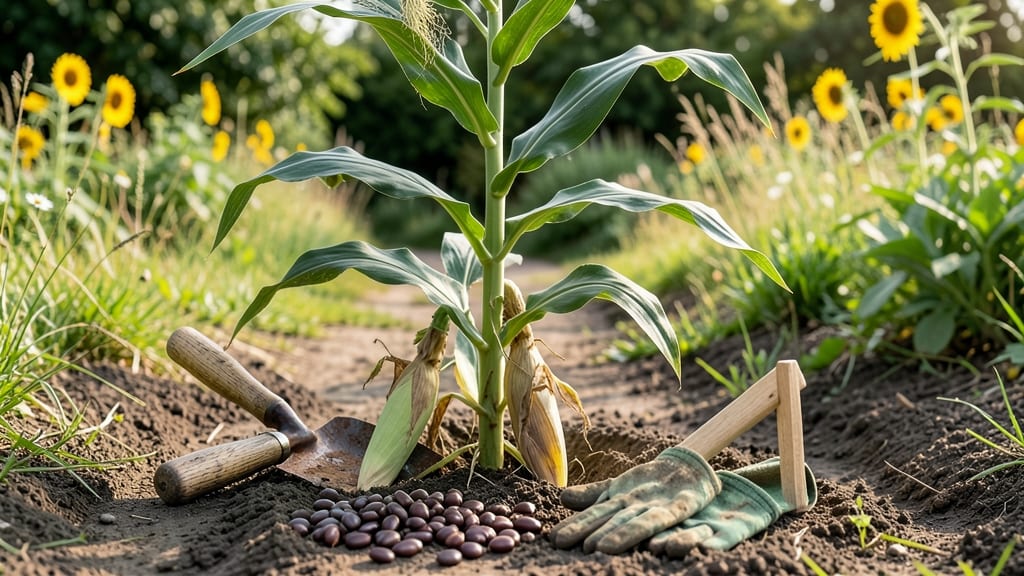
Planting corn in Indiana at the wrong time can mean the difference between a golden harvest of sweet 🌽 or watching your seeds wither in cold soil.
With Indiana's USDA Zone 6a climate, timing isn't just important—it's everything, especially when you're working with a short window between last frost and summer heat.
Most Indiana gardeners swear by planting between mid-April and mid-May, but that window can shift depending on whether you're growing sweet corn for the table, field corn for livestock, or popcorn for snacks.
The key is waiting until the soil warms to at least 60°F—cold soil slows germination, and nobody wants to waste seeds on a slow start.
Here's what you need to know: I'll break down the exact frost-free timeline for your region, how to adjust for Indiana's unpredictable spring weather, and which varieties thrive best in our 165-day growing season.
Whether you're a first-time gardener or a seasoned farmer, getting this right means fewer headaches and more ears of corn on the cob by late summer.
Let's dive into the strategies that will help you plant with confidence—so you can enjoy that first taste of fresh Indiana corn by July without the guesswork.
Indiana corn planting dates by frost-free Zone (2024 guide)
Indiana’s corn planting window hinges on frost-free dates and soil warmth, which vary dramatically across the state’s USDA Zones 5b to 6b. Northern Indiana gardeners face earlier frosts, while southern regions enjoy longer growing seasons—making timing critical for sweet corn, field corn, and popcorn varieties.
The average last frost date ranges from April 15 in the north to May 1 in southern Indiana, but don’t rely on averages alone.
For successful corn growth, soil must reach at least 60°F (15°C) at a 1-inch depth. Cold soil slows germination, leading to uneven sprouts or rot.
Use a soil thermometer to confirm readiness—planting too early is a common mistake that Indiana gardeners regret every year. Early-spring rains can further delay planting, so flexibility is key.
Corn thrives in Indiana’s 165-day frost-free season, but varieties differ in maturity. Sweet corn typically matures in 60-90 days, while field corn takes 90-120 days.
Planting too late risks immature harvests before the first frost in mid-October. Below is a zone-by-zone breakdown to help you pinpoint the best time for your location.
Northern Indiana’s shorter growing season demands early-maturing varieties, while southern regions can afford slightly later plantings. For example, 'Peaches and Cream' (70-day maturity) thrives in central Indiana but may struggle in Lake County.
Meanwhile, field corn like 'Pioneer Brand 33B38' (110-day maturity) is better suited for southern Indiana’s longer season.
Pro tip: Use black plastic mulch to warm soil faster in cooler zones, or try row covers for early starts. These tricks can shave 1-2 weeks off your planting timeline. Just remember—corn needs consistent warmth to avoid stunted growth or poor pollination.
If you’re unsure about your exact frost date, check local records from the Indiana State Climate Office or use a frost calendar app like Almanac’s Garden Planner.
Historical data shows that northern Indiana can experience late frosts as late as May 10, while southern areas rarely see frost after April 25. Plan accordingly!
For succession planting, stagger seeds every 2 weeks from mid-April to early June. This ensures a continuous harvest and maximizes your garden’s potential. Just be mindful of crowding—corn needs 12-18 inches between plants for proper airflow and ear development.
One final tip: Direct-sow corn—it hates transplanting. Start seeds 1 inch deep and 12 inches apart in rows spaced 30-36 inches apart. Thinning later ensures strong stalks. With the right timing and care, Indiana’s corn season can be incredibly rewarding!
🌽
How to adjust planting time for Indiana’s microclimates and variety needs
Indiana’s climate varies dramatically from its northern USDA Zone 5 regions to southern Zone 6 areas, so one-size-fits-all planting advice won’t work. Northern counties like LaPorte often see frost until May 10, while southern areas like Evansville can safely plant by April 15.
Adjust your schedule based on your specific microclimate—even a few miles can mean 1-2 weeks difference in safe planting.
For sweet corn, which matures in 60-100 days, aim for late April to early May in most of Indiana. Field corn and popcorn varieties (with 90-120 day maturity) should go in mid-May to avoid early fall frosts cutting harvests short.
If you’re growing short-season varieties in cooler areas, start seeds indoors 4-6 weeks before transplanting.
🌽
- 🌡️ Northern Indiana: Wait until May 1 for sweet corn—soil temps below 55°F slow germination.
- ☀️ Southern Indiana: Plant sweet corn by April 15; use black plastic mulch to warm soil faster.
- 🌱 Drought-prone areas: Choose drought-tolerant varieties (e.g., Pioneer Brand 39T23) and plant 1-2 weeks earlier to extend root development.
- ❄️ Late frost risk: Use row covers for 3-4 weeks after planting to protect seedlings.
- 🌾 Succession planting: Stagger plantings every 2 weeks for a continuous harvest window from July to September.
Your corn variety also dictates timing. Early-maturing sweet corn (e.g., Silver Queen) can go in as soon as soil is workable, while late-season popcorn (e.g., Illini Evergreen) needs mid-May planting to avoid early frost damage.
Always check the days to maturity on seed packets—subtract 15 days from your average first frost date (typically October 15) to calculate your last safe planting window.
If you’re pushing the limits, consider black plastic mulch or straw mulch to warm soil by 5-10°F, letting you plant 1-2 weeks earlier. For northern Indiana gardeners, starting seeds indoors in biodegradable pots and transplanting after May 15 can add 2-3 weeks to your growing season.
Just be sure to harden off seedlings for 7-10 days before moving them outside to avoid transplant shock.
For field corn (used for livestock or grain), prioritize soil warmth over frost dates—wait until soil reaches 60°F at 4 inches deep. Use a soil thermometer to track progress; in cool springs, this can delay planting until late May.
Meanwhile, popcorn lovers should opt for longer-season varieties and plant mid-May to ensure kernels fully dry on the cob before October’s first frost.
Finally, don’t overlook succession planting. By spacing out plantings every 10-14 days, you can enjoy fresh corn for 6-8 weeks instead of a single 2-week harvest. This works especially well for sweet corn—just rotate varieties to keep flavors exciting (e.g., bicolor followed by white corn).
With these adjustments, you’ll turn Indiana’s variable climate into an advantage rather than a challenge.