
Plants
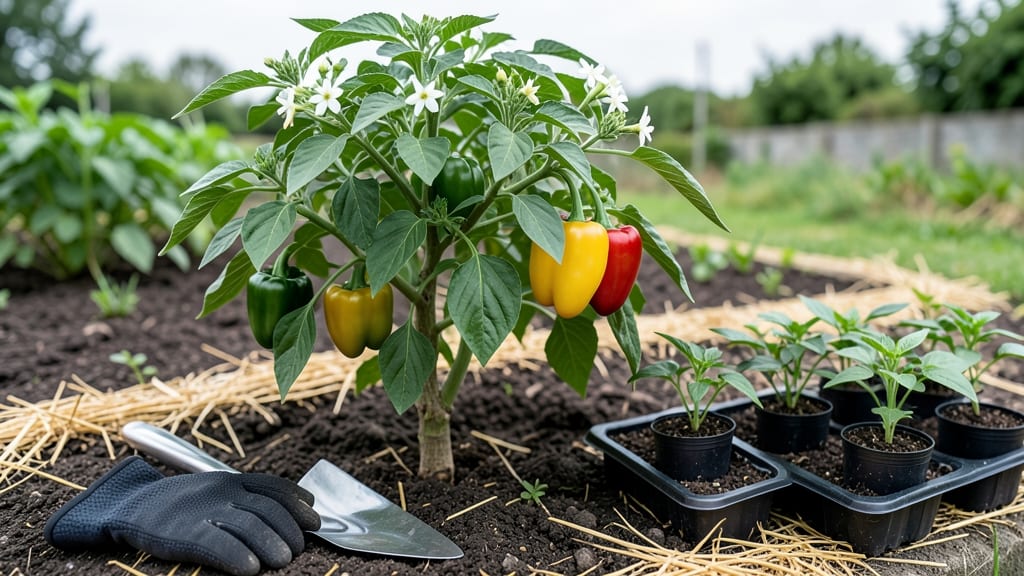
Timing your 🌶️ bell pepper planting in Arkansas isn't just about dates—it's about catching that perfect soil temperature window that makes the difference between thriving plants and wasted effort.
Skip the guesswork and plant too early, and frost will nip your seedlings in the bud. Wait too long, and your harvest shrinks before summer even kicks in.
Here's the game-changer: Arkansas gardeners in zones 7a-8a need to wait until soil hits at least 60°F for 10+ days straight, typically landing you in that sweet spot between mid-April and mid-May.
But there's more to it than just calendar dates—we'll show you how to read your soil's temperature cues like a pro.
Whether you're starting seeds indoors or transplanting young plants, understanding these triggers helps you avoid common mistakes that rob Arkansas growers of their best harvests.
Let's break down exactly when to plant for your specific corner of the state, plus how to stretch your growing season when summer feels too short.
Ready to grow peppers that actually produce? We'll cover everything from soil tests to extending your harvest window—so you can enjoy homegrown 🌶️ from July straight through October. Let's get those plants in the ground right.
Arkansas bell pepper planting calendar by soil temperature zones
Arkansas’ diverse climate—from the cooler Northwest to the warmer Southeast—means bell pepper planting windows vary by 10-14 days. The golden rule? Wait until soil hits 60°F+ for 10+ days and all frost risk has passed.
In Zone 6b (North Arkansas), this typically lands in mid-April to early May, while Zone 7a (South Arkansas) can start as early as late March.
Direct sowing vs. transplanting changes the game. Transplants thrive when soil warms to 50°F+, while seeds need 60°F+ to germinate reliably. My go-to method? Start transplants indoors by February 15 for a late-March outdoor move, or direct-sow after April 15 in most regions.
The key is matching your method to Arkansas’ variable spring.
Here’s how Arkansas’ two main zones break down for bell pepper success:
Pro tip: Arkansas’ Delta region (like Jonesboro) can plant 4-6 weeks earlier than the Ozarks. Test soil temps daily in March—if it dips below 50°F at night, delay planting or use row covers to protect young plants.
For transplants, harden off seedlings for 7-10 days before moving them out. Acclimate them to Arkansas’ sun and wind by placing them outside for increasing durations each day. Skip this step, and you’ll risk transplant shock, which stunts growth for weeks.
Direct sowing in Arkansas works best after May 1 in most areas, but succession planting every 2 weeks after that date ensures a continuous harvest. The latest you should sow is July 1—any later, and peppers won’t mature before frost.
Watch for Arkansas-specific challenges like soil compaction from heavy rains or uneven warming in shaded spots. Amend soil with compost or aged manure before planting to improve drainage and warmth retention. My secret weapon? Black plastic mulch—it raises soil temps by 5-10°F and speeds up germination.
If you’re in Zone 6b, consider starting a second batch indoors in June for a late-summer harvest. Use LED grow lights to extend daylight to 14 hours, and transplant these babies out by July 15. They’ll produce peppers just as the first batch winds down!
Remember: Arkansas’ humidity and heat can stress bell peppers if not managed. Mulch heavily to retain moisture and use drip irrigation to avoid wetting leaves—this prevents fungal diseases like anthracnose, which thrives in Arkansas’ sticky summers.
🌶️
How to test soil temperature for perfect bell pepper germination
Testing soil temperature is the secret weapon for Arkansas gardeners who want consistent bell pepper germination. Unlike air temperature, which can swing wildly, soil temperature stays stable and directly impacts seed viability.
For bell peppers, aim for 60°F (15°C) or warmer—this triggers rapid root growth and prevents leggy, weak seedlings.
Most Arkansas gardeners make the mistake of relying on air temperature alone, which can be 10-15°F cooler than the soil. Even if your thermometer says it’s 70°F outside, the ground might still be 50°F—too cold for peppers to thrive.
That’s why a soil thermometer (or DIY hack) is non-negotiable for success.
🌱 Where to Measure: Place your thermometer 2 inches deep in the soil, where seeds will germinate. Avoid shady spots or areas near mulch, which can skew readings. Early morning (between 8-10 AM) is the best time to check, as temperatures fluctuate least then.
⚠️ Pro Tip: If your soil is below 55°F, delay planting—even by a week. Bell pepper seeds won’t germinate reliably until they hit 60°F+. Patience now prevents failed sprouts and wasted seed packets later.
🌡️ Step-by-Step Soil Temp Check
- 🔍 Step 1: Insert thermometer 2 inches deep in moist soil (dry soil reads 5-10°F higher).
- ⏰ Step 2: Wait 10 minutes for accurate reading (soil conducts heat slowly).
- 📝 Step 3: Record temps for 3 consecutive days—bell peppers need consistent warmth.
- ⚠️ Step 4: If temps dip below 55°F, delay planting or use black plastic mulch to warm soil faster.
- 🌱 Step 5: Plant when soil hits 60°F+ for 10+ days—this ensures 90%+ germination.
DIY Hack: Use a meat thermometer (cleaned!) if you don’t have a soil gauge. Poke it into the ground where you’ll plant.
Arkansas’ variable spring weather makes soil temperature even trickier. In northern Arkansas (Zone 6b), soil may linger at 50°F into mid-April, while southern Arkansas (Zone 7a) can hit 65°F by late March. Use a 3-day average to account for daily swings—peppers hate cold snaps mid-germination.
For slow-warming soils, try these tricks: Lay down black plastic mulch 1-2 weeks before planting to raise temps by 5-10°F, or plant in raised beds, which warm 2-3 weeks faster than in-ground soil.
If you’re starting seeds indoors, aim for 70-75°F soil in your seedling trays to kickstart growth early.
Remember: Rushing planting because "it’s April" is a common mistake. Wait for the soil, not the calendar. A few extra days of warmth now mean bigger yields and healthier plants all season long. 🌱