
Plants
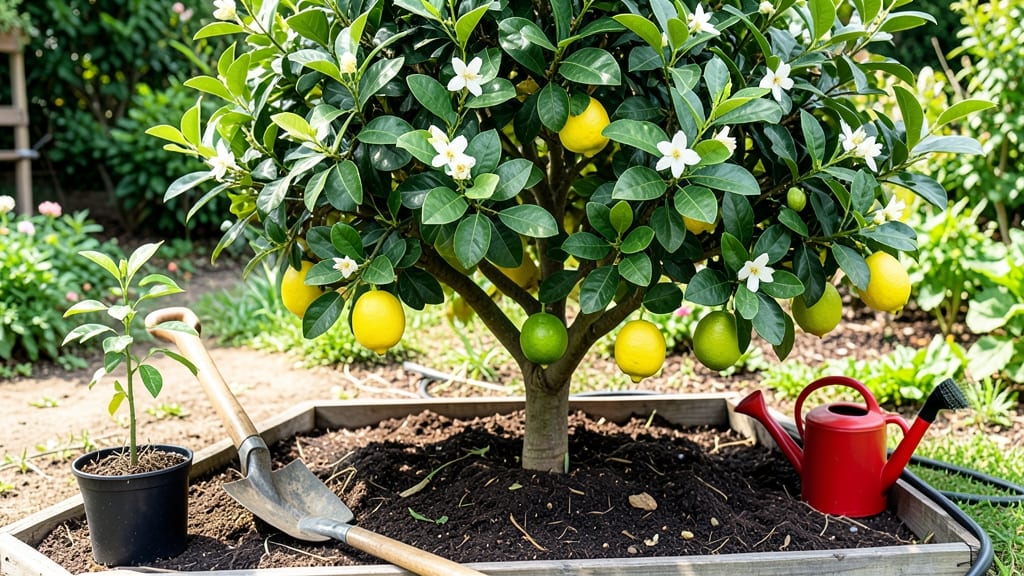
Planting a 🍋 lemon tree in Louisiana can be a game-changer for your garden, but getting the timing wrong means risking frost damage or stunted growth.
The key is understanding your region's last frost date—whether you're in Baton Rouge, New Orleans, or Shreveport—because those frost-free windows determine whether your citrus thrives or struggles.
Most Louisiana gardeners know spring is the best time, but the exact window varies. For zones 8a-9b, February through April offers the safest bet after the last frost, typically around mid-February.
Planting too early could leave your tree vulnerable to late cold snaps, while waiting too long might delay growth before summer heat sets in.
You might wonder if container-grown trees or bare-root varieties change the timing. They don’t—what matters most is soil temperature and frost risk. I’ll break down the best methods for your climate, including how to protect young trees from Louisiana’s occasional winter surprises.
Let’s get your lemon tree off to the right start.
Whether you’re growing Meyer lemons for sweet fruit or Eureka for classic tang, the right planting time ensures a bountiful harvest year-round. Stick with me, and you’ll learn how to time it perfectly for your specific Louisiana zone—no guesswork, just success.
Louisiana lemon tree planting deadlines by variety and frost zone
Louisiana’s humid subtropical climate makes it ideal for growing lemon trees, but knowing the exact planting windows is key to avoiding frost damage. The state spans USDA zones 7a-9a, with last frost dates varying dramatically from north to south.
For example, Shreveport (7b) typically sees its last frost around March 15, while New Orleans (8b) averages February 28. Timing your planting after these dates ensures your Meyer lemon or Eureka lemon establishes strong roots before summer heat arrives.
Most lemon tree varieties thrive in Louisiana’s frost-free period, which spans roughly 240 days in most regions. However, tender varieties like Lisbon lemons need extra protection if planted in northern Louisiana (zones 7a-7b).
The Meyer lemon, a popular cold-hardy hybrid, can tolerate brief dips to 20°F, making it the best choice for zone 7a gardeners. Always check your local National Weather Service for precise frost dates before planting.
🌱 Did You Know? Louisiana’s southern regions (zones 8b-9a) have such mild winters that some gardeners plant lemon trees year-round, though late winter (February) is still ideal for root establishment.
| Variety | Cold Hardiness (°F) | Best Planting Window | USDA Zones | Notes |
|---|---|---|---|---|
| Meyer Lemon | 20°F (-7°C) | Feb 15 - Apr 15 | 7a-9a | Cold-hardy hybrid; best for northern LA |
| Eureka Lemon | 25°F (-4°C) | Mar 1 - Apr 30 | 8a-9a | Classic variety; needs winter protection in zone 7a |
| Lisbon Lemon | 28°F (-2°C) | Mar 15 - May 1 | 8b-9a | Sensitive to frost; best for southern LA |
| Ponderosa Lemon | 25°F (-4°C) | Feb 28 - Apr 15 | 8a-9a | Large fruit; needs shelter from winds |
If you’re in northern Louisiana (zone 7a), prioritize Meyer lemons and plant them after March 1 to avoid late frosts. For southern Louisiana (zones 8b-9a), you have more flexibility, with February 15 being a safe starting point.
Always opt for container-grown trees if planting early, as they establish faster than bare-root seedlings. Container-grown trees also give you the option to move them indoors during unexpected cold snaps.
Another critical factor is soil temperature. Lemon trees prefer soil temps above 60°F (15°C) for optimal root growth. In Louisiana, soil temperatures typically reach this threshold by mid-March in northern regions and late February in southern areas.
Use a soil thermometer to confirm before planting. If soil is still cold, wait another 2-3 weeks or plant in raised beds to warm the roots faster.
For urban gardeners in New Orleans or Baton Rouge, microclimates play a huge role. Areas near large bodies of water or concrete surfaces can experience earlier last frosts due to temperature inversions.
Monitor local weather patterns and consider planting dwarf varieties in containers for added flexibility. Dwarf trees like ‘Improved Meyer’ mature at 6-10 feet, making them perfect for patios or balconies.
One common mistake is assuming Louisiana’s mild winters mean you can plant anytime. However, late winter cold snaps (like the 2021 Arctic blast) can drop temperatures below 20°F even in zone 8a.
Always have a backup plan, such as frost cloth or a greenhouse, for young trees. If planting in January, use black plastic mulch to warm the soil and protect roots.
Pro tip: Test your soil’s pH before planting—lemon trees thrive in slightly acidic soil (pH 6.0-7.0). Louisiana’s native soils often lean clay-heavy and alkaline, so amend with peat moss or sulfur if needed.
A simple soil test kit (available at garden centers) makes this easy. Once your soil is prepped, you’re ready to plant within your frost-free window.
Remember, timing isn’t just about frost—it’s also about summer heat. Planting too late (after May 1) can stress young trees as Louisiana’s summer humidity ramps up. Aim for a 6-8 week window between your last frost date and
How to time your lemon tree planting for maximum success in Louisiana’s climate
Louisiana’s humid subtropical climate means your lemon tree will thrive—but only if you plant it at the right time. The key is avoiding late-winter frosts while giving roots time to establish before summer’s heat.
For most of Louisiana (USDA zones 8a-9b), the ideal planting window is between mid-February and mid-April, after the last average frost date.
If you’re in North Louisiana (zone 7b), like Shreveport, wait until late March to be extra safe. In South Louisiana (zone 9a), like New Orleans, you can plant as early as January, but February-March is still ideal for best results.
Container-grown trees adapt faster, so they can handle slight delays better than bare-root seedlings.
🌱 Numbered Highlights for Louisiana Lemon Tree Planting
- 📅 Plant after last frost: Check your local last frost date (typically mid-February for most of LA). Use the National Weather Service or Almanac for your city.
- 🌡️ Soil temp matters: Wait until soil temps reach 60°F+ (use a soil thermometer to check). Cold soil slows root growth.
- 🌿 Choose container vs. ground: Containers let you plant earlier (they warm faster) but need winter protection. In-ground is better for long-term stability.
- ☀️ Full sun is non-negotiable: Pick a spot with 6+ hours of direct sun. Louisiana’s summer heat means afternoon shade helps prevent leaf scorch.
- 🌧️ Mulch heavily: Apply 3-4 inches of mulch (pine bark or straw) to retain moisture and regulate soil temps. Keep mulch 6 inches from the trunk.
- 🌬️ Shelter from winds: Lemon trees hate strong winds. Plant near a fence or building in exposed areas like coastal regions.
- 🍋 Variety matters: Meyer lemons (hardier) can handle slight cold snaps better than Eureka or Lisbon. Choose dwarf varieties for containers.
One of the biggest mistakes Louisiana gardeners make is rushing to plant in January, especially in North Louisiana. A late frost in February can kill young trees before they’ve had time to recover.
If you’re eager to start early, opt for container-grown trees—they can be moved indoors or under a frost cloth if temperatures dip below 28°F.
For urban gardeners or those with limited space, dwarf lemon trees (like ‘Improved Meyer’) are perfect. They can be planted in large containers (15+ gallons) and moved to a sunny patio or balcony during winter.
Just ensure the container has drainage holes and use a lightweight potting mix to prevent root rot in Louisiana’s heavy clay soils.
After planting, focus on deep watering (every 3-5 days) and light feeding with a balanced citrus fertilizer (6-6-6 or 8-3-9). Avoid heavy fertilizing in the first 6-8 weeks—let the roots establish first.
In summer’s intense heat, water early in the morning to reduce evaporation and fungal risks like citrus canker.
With the right timing and care, your lemon tree will reward you with harvests year-round—even in Louisiana’s humid climate. The key is patience: wait for the right window, prepare the soil, and protect it from extremes.
Soon, you’ll be enjoying homegrown lemons for fresh juice, preserves, or garnishes! 🍋