
Plants
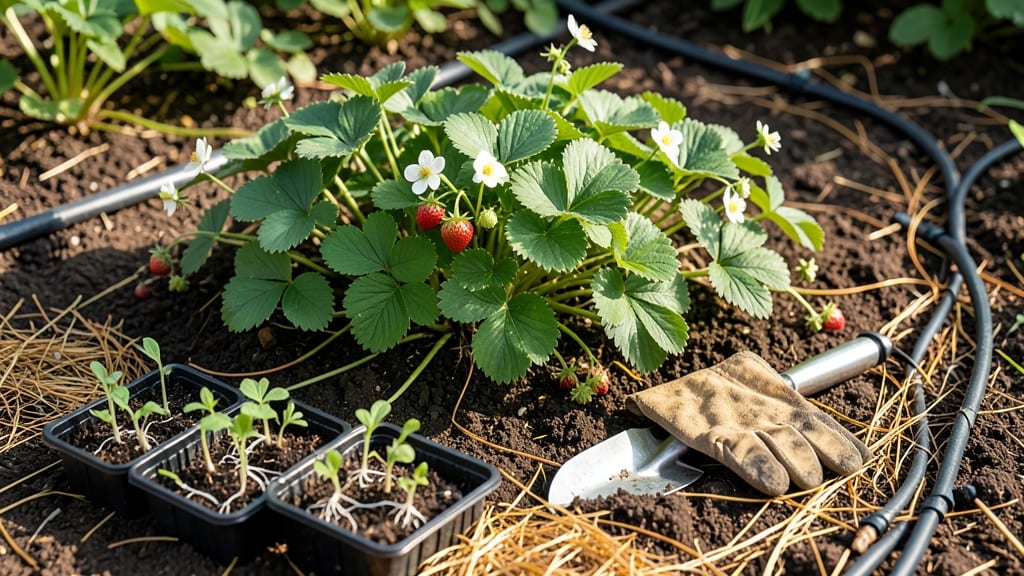
Knowing the best time to plant strawberries in Texas isn’t just about picking a month—it’s about matching your garden’s chill hours to the right varieties for reliable blooms.
Texas gardeners face unique challenges, from North Texas’ unpredictable freezes to South Texas’ scorching summers, making timing the key to your harvest’s success.
If you’ve ever planted strawberries 🍓 only to watch them struggle through heat or frost, you’re not alone. The solution lies in understanding your local climate zone—whether you’re in 8a-10b—and choosing the best planting window for your area.
Fall and early spring are your golden opportunities, but the devil’s in the details.
In this guide, I’ll break down exactly how to sync your planting schedule with Texas’ seasonal shifts, from soil prep to frost protection. Whether you’re a first-time gardener or a seasoned green thumb, these insights will help you maximize your yield—no guesswork required.
Ready to turn your strawberry patch into a productive powerhouse? Let’s dive into the science behind Texas-friendly planting and the simple steps to set your berries up for success.
Texas strawberry planting zones: matching chill hours for optimal growth
Texas spans USDA zones 8a through 10b, creating dramatic differences in chill-hour requirements for strawberries. North Texas (300-500 chill hours) thrives with June-bearing varieties, while South Texas (0-200 chill hours) needs everbearing types like 'Seascape' or 'Chandler'.
The key? Plant when your local chill hours align with your variety's needs.
For example, Dallas (Zone 8a) averages 400 chill hours—perfect for June-bearing 'Chandler' planted in October-November. Meanwhile, Houston (Zone 9a) with 200 chill hours should stick to everbearing 'Fort Laramie' in September-October to avoid winter dieback.
Use this chill-hour calculator from Texas A&M: Multiply daily temps below 45°F by the number of days. For instance, if your area hits 35°F for 10 nights, that's 150 chill hours.
Match this to your strawberry's needs—June-bearing needs 500+ hours, while everbearing thrives with 200-400 hours.
🌱
🌱 Texas Strawberry Planting Zones by Chill Hours
| Region | USDA Zone | Avg. Chill Hours | Best Varieties | Planting Window |
|---|---|---|---|---|
| North Texas (Dallas, Fort Worth) | 8a-8b | 400-500 | June-bearing: 'Chandler', 'Jewel' | October 15 - November 15 |
| Central Texas (Austin, San Antonio) | 8b-9a | 250-350 | Everbearing: 'Seascape', 'Fort Laramie' | September 15 - October 30 |
| South Texas (Houston, Corpus Christi) | 9a-10b | 0-200 | Day-neutral: 'Albion', 'Tristar' | August 15 - September 30 |
⚠️ Pro Tip: Check your last frost date (e.g., Feb 15 in North Texas, Jan 1 in South Texas) and plant 6-8 weeks before to establish roots.
In North Texas, aim for October planting—this gives roots time to establish before winter chill sets in. Central Texas gardeners should plant by October 15 to avoid heat stress during summer. Meanwhile, South Texas can extend planting into late September thanks to milder winters.
For container growing, use everbearing varieties like 'Tristar'—they tolerate warmer winters and produce fruit year-round. Place pots in full sun and use black plastic mulch to warm soil in cooler months.
🌡️
Soil temperature matters too! Strawberries need soil 50-65°F to root. Use a soil thermometer—if temps drop below 45°F, delay planting until spring. In North Texas, this often means waiting until March for a second planting window.
💡 Microclimate Tip: Urban areas like Dallas can be 5-10°F warmer than rural zones. If your yard is near pavement or buildings, opt for heat-tolerant varieties like 'Camarosa' and plant earlier in September.
Finally, avoid planting in summer—Texas heat causes root stress and poor establishment. If you miss fall, wait until early spring (February-March), but be ready to protect plants from late frosts with row covers.
☀️
Step-by-step planting schedule for Texas strawberries: month-by-month timeline
Texas’s unpredictable climate means your strawberry planting schedule must balance chill hours, frost dates, and heat tolerance. Whether you’re in North Texas (like Dallas) or South Texas (like San Antonio), timing is critical to avoid late frosts or summer stress. Here’s your month-by-month roadmap to success.
Start with bare-root plants in fall (September–November), the ideal window for Texas. This gives roots time to establish before winter while avoiding summer’s brutal heat. For everbearing varieties, a second planting in early spring (February–March) can extend your harvest into fall.
📅 August: Prepare your beds by amending soil with compost and a balanced fertilizer (10-10-10). Choose a raised bed or well-draining spot to prevent waterlogging. Mulch heavily with straw to suppress weeds and retain moisture.
📅 September–October (Primary Planting Window):
📅 November–January: Monitor for freezes. In North Texas, cover plants with frost cloth if temps drop below 25°F. In South Texas, minimal protection is needed. Prune old leaves in late winter to encourage new growth.
📅 February–March (Spring Planting Window): For everbearing varieties, plant potted strawberries (not bare-root) to avoid transplant shock. Focus on disease-resistant varieties like Chandler or Albion, which thrive in Texas’s heat. Mulch again to protect from late frosts.
📅 April–May: As temps rise, reduce watering to every other day and avoid overhead irrigation. Watch for spider mites and gray mold—spray plants with neem oil if needed. Harvest begins in April for fall-planted and May for spring-planted varieties.
Pro tip: Use drip irrigation to keep foliage dry and reduce fungal risks. In South Texas, opt for day-neutral varieties like Seascape for continuous harvests. With this schedule, you’ll beat Texas’s extremes and enjoy sweet, homegrown strawberries twice a year! 🍓