
Plants
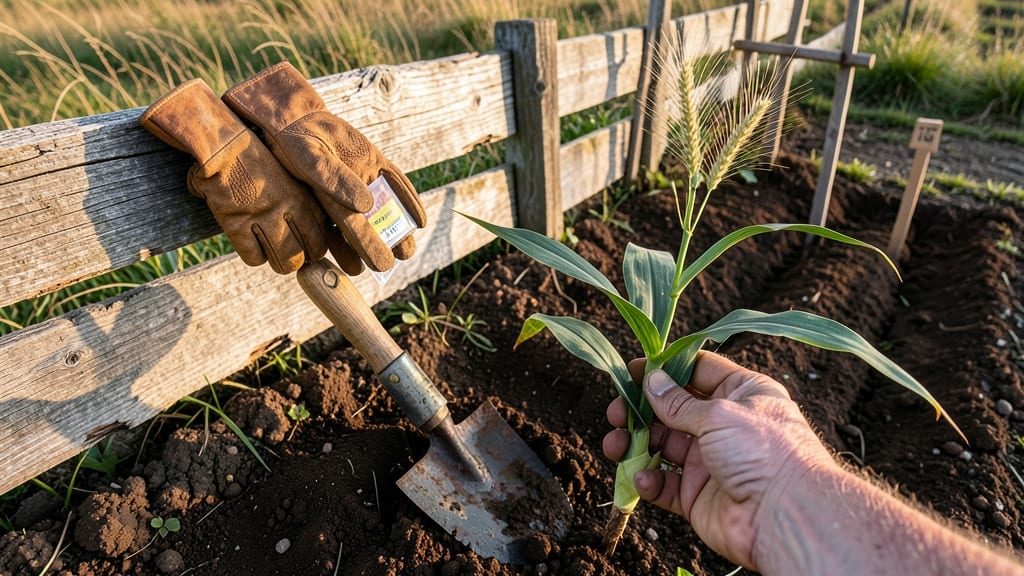
Timing your corn planting in Colorado isn’t just about following a calendar—it’s about outsmarting the state’s dramatic elevation shifts and unpredictable frost patterns. Plant too early in the high country, and a late snowstorm could wipe out your seedlings.
Wait too long in the Front Range, and your 🌽 might mature just as the first frost arrives.
Most Colorado gardeners aim for mid-April to mid-June, but that window shrinks dramatically as you climb from the Eastern Plains to the foothills or mountain valleys.
The key lies in knowing your local frost dates and soil temperatures—because corn seeds need warmth to germinate, and Colorado’s thin air can delay that critical first sprout.
In this guide, I’ll break down the exact planting deadlines for your elevation zone, whether you’re growing sweet corn in Denver’s urban gardens or field corn on the Eastern Plains.
You’ll also discover how to adjust for late springs, protect tender seedlings, and choose the right varieties to beat Colorado’s short growing season.
Ready to turn your garden into a cornucopia? Let’s get those seeds in the ground at the perfect moment—no guesswork, just guaranteed growth.
Colorado corn planting deadlines by elevation zone (with frost risk charts)
Colorado’s elevation zones dramatically impact when you can plant corn safely. At 3,000–5,000 feet (lowland plains), soil warms faster, while 7,000+ feet (mountain valleys) often face late frosts. Even within 50 miles, planting dates can shift by 3–4 weeks.
Let’s break down the exact windows for each zone, including soil temperature thresholds and frost risk charts to avoid stunted growth.
For all elevation zones, soil temperature must reach 50°F (10°C) at 4-inch depth before planting. Corn seeds won’t germinate below this threshold, even if air temperatures are mild. Use a soil thermometer to confirm—this is your #1 indicator for timing.
In Colorado, this typically aligns with mid-April to early May in lowlands but can delay until late May or June in high mountain areas.
Here’s the critical comparison table for Colorado’s three primary elevation zones, including ideal planting months, frost risk windows, and backup dates for late springs:
Notice how the soil temperature threshold increases with elevation? At 7,000+ feet, corn seeds may not germinate until soil hits 60°F (16°C), which can push planting into June.
This is why short-season varieties (60–75 days to maturity) are essential in mountain regions. For example, ‘Early Sunglow’ (70 days) thrives where ‘Golden Bantam’ (80 days) might fail.
Colorado’s Front Range (Denver/Boulder area) sits in a transitional zone—often aligning with foothills guidelines but with microclimates that can mimic lowland or mountain conditions.
Always check your local CoCoRaHS station for frost data, as urban heat islands can delay frost by 1–2 weeks compared to rural areas just 10 miles away. Pro tip: Plant a test row 2 weeks early to gauge your microclimate’s readiness.
If you’re in a high-risk frost zone (e.g., Grand Junction or Fort Collins), consider using row covers or black plastic mulch to warm soil by 5–10°F. These methods can shave 10–14 days off your planting timeline.
For mountain gardeners, cold frames are a game-changer—they can extend your growing season by 3–4 weeks in both spring and fall.
One common mistake is planting corn too early in hopes of a longer harvest window. Cold soil slows germination, leaving seeds vulnerable to soil-borne diseases like Pythium. Always wait until soil is consistently above 50°F for 5 consecutive days.
Use a meat thermometer (they’re cheap and accurate) to check—this is your best tool for avoiding failed crops.
For southern Colorado (e.g., Colorado Springs or Pueblo), aim for April 15–May 1 with early-maturing varieties like ‘Peaches and Cream’ (75 days). In northern Colorado (e.g., Fort Collins or Steamboat Springs), shift to May 15–June 1 and stick to 60–70 day varieties like ‘
How to adjust your corn planting schedule for Colorado’s unpredictable weather
Colorado’s weather can shift from mild spring to late frosts in a heartbeat, leaving gardeners scrambling. To beat the odds, I’ve learned to plan for delays and use soil warming tricks that buy precious growing time. The key? Flexibility paired with proactive prep.
First, check your local frost dates—they’re wildly different between Denver’s 5,000 ft and a mountain town’s 8,000 ft. I always add a 2-week buffer to my planting window to account for late springs.
For example, if your last frost is April 15, start seeds indoors by March 15 for transplants ready by May 1.
Here’s my go-to adjustment strategy when Mother Nature throws curveballs: use black plastic mulch to warm soil faster, or plant early-maturing varieties like ‘Early Sunglow’ (65 days) if frost lingers. I’ve even used row covers to protect seedlings during unexpected cold snaps.
✅ 5 Pro Tips for Colorado Corn Planting
- 🌡️ Test soil temps: Corn needs 50°F+ soil to germinate. Use a soil thermometer—if it’s cooler, delay planting or use black plastic mulch.
- 📅 Set backup dates: If your primary window (April–May) fails, have a June 1 fallback for short-season varieties.
- 🌱 Start indoors: For high-elevation areas, begin seeds 4–6 weeks before your last frost date in biodegradable pots.
- 🛡️ Frost protection: Use row covers or cloches for seedlings if frost threatens after planting.
- 💧 Irrigation plan: Install drip irrigation before planting—Colorado’s dry winds can stress young corn.
Don’t forget about microclimates—a south-facing slope in your yard might be 5–10°F warmer than the rest of your garden. I always plant test rows in multiple spots to compare growth. If one area thrives while another struggles, I’ll adjust future plantings accordingly.
For high-risk zones (like the San Luis Valley or Western Slope), I recommend succession planting: sow a second batch in early June for a late-summer harvest. Varieties like ‘Silver Queen’ (85 days) can still mature if planted by June 15 in lower elevations.
Finally, keep an eye on weather forecasts and NOAA’s frost alerts. I’ve saved entire crops by covering plants with old bedsheets during unexpected 28°F nights. With these adjustments, you’ll turn Colorado’s unpredictability into corn-growing advantages.