Flowers
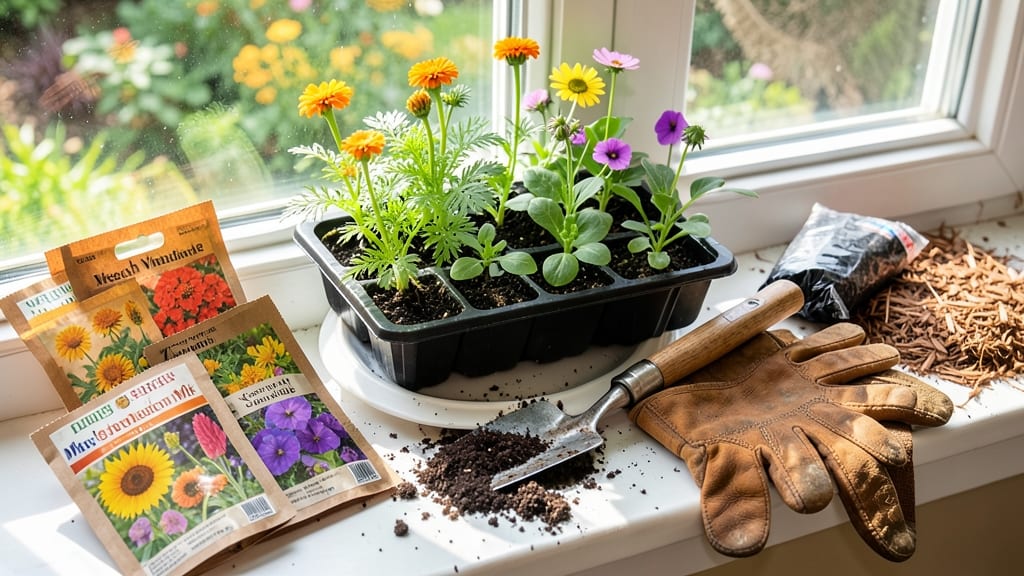
Timing your flower seeds planting in Illinois could mean the difference between a garden bursting with 🌸 color and a season of empty beds. With Zone 5B's unpredictable frost dates, getting it wrong means waiting another year for those vibrant blooms you crave.
Most gardeners assume spring is the only window, but Illinois actually offers two prime planting seasons—spring and fall—that can double your blooming opportunities. The key? Knowing exactly when to start seeds indoors and when to sow directly outside to beat frost while avoiding summer's scorching heat.
I've spent years testing these deadlines with everything from delicate marigolds to hardy coneflowers, and I'm about to share the exact planting schedule that works for Illinois' climate.
Whether you're a first-time gardener or a seasoned pro, these tips will help you avoid the most common mistakes that turn seedlings into sad, wilted memories.
Ready to transform your garden into a year-round showstopper? Let's dive into the perfect planting times that'll have your flowers thriving from spring through fall—no guesswork required.
Illinois Zone 5B flower seed planting deadlines by season
Timing is everything when planting flower seeds in Illinois’ Zone 5B climate. The last average frost date around April 15 (with variations by region) marks your spring deadline, while fall plantings must finish 8-10 weeks before first frost (typically October 15).
Missing these windows can leave your seedlings vulnerable to frost damage or stunted growth.
For spring bloomers, start seeds indoors 6-8 weeks before last frost (early March) or sow directly in well-drained soil when soil temps reach 50°F. In northern Illinois, aim for mid-April plantings, while southern regions can push to late April.
Summer and fall flowers like zinnias or cosmos thrive when sown after May 15 to avoid bolting.
Your local microclimate (e.g., urban heat islands or sheltered valleys) can shift deadlines by 1-2 weeks. Check the Almanac’s Frost Calculator for your ZIP code, or observe nearby cherry blossoms—they bloom just before last frost. I always test soil temps with a thermometer to confirm readiness.
🌱
Spring planting requires the most precision. For cool-season flowers like pansies or snapdragons, sow seeds 4-6 weeks before last frost (early March). Warm-season favorites (marigolds, zinnias) need soil temps above 60°F, so wait until mid-May in most of Illinois.
I’ve had cosmos self-seed reliably when planted after June 1—they thrive in summer heat.
Fall plantings offer a second chance for biennials like foxglove or hollyhock. Sow seeds 8-10 weeks before first frost (early August) for roots to establish before winter.
Use mulch (2-3 inches) to insulate soil and protect emerging seedlings from early frosts. I’ve successfully grown calendulas this way—they bloom until hard frosts.
Missed the spring window? Don’t panic—succession planting lets you stagger sowings every 2-3 weeks until July. Choose fast-growing varieties like bachelor’s buttons (30 days to bloom) or sunflowers (60 days). Just ensure your garden bed has well-draining soil to prevent rot during summer rains.
Common mistakes include planting too early (risking frost damage) or too late (yielding weak, leggy seedlings). I once lost a batch of petunias by sowing them 3 weeks before last frost—the seedlings froze overnight. Always harden off indoor starts for 7-10 days before transplanting to toughen them up.
Pro tip: Mark your calendar with these Illinois-specific deadlines: - March 15: Start cool-season seeds indoors - April 15: Last frost (adjust ±1 week by region) - May 15: Safe for heat-loving flowers - August 1: Begin fall sowings - September 15: Final outdoor planting date
🌿
Best flowers to grow from seeds in Illinois (ranked by hardiness)
Illinois’ Zone 5B climate rewards gardeners with hardy flowers that thrive after frost. Whether you're a beginner or seasoned pro, these top 10 frost-tolerant varieties guarantee blooms from spring to fall—if planted at the right time.
I’ve ranked them by cold resistance, bloom duration, and ease of seed-starting for Illinois conditions.
Start with black-eyed Susans and cone flowers—both perennials that bounce back yearly. For instant color, marigolds and cosmos are annuals that self-seed like crazy. Pro tip: Direct-sow cold-hardy seeds outdoors 2-4 weeks before last frost (mid-March to early April) to avoid transplant shock.
🌱
🌸 Top 10 Illinois Flowers Ranked by Hardiness & Bloom Guarantee
| Rank | Variety | Cold Tolerance | Planting Window | Bloom Time |
|---|---|---|---|---|
| 1 | Black-Eyed Susan | ❄️❄️❄️❄️ (Zone 3-9) | Direct sow March-April | June-October |
| 2 | Coneflower | ❄️❄️❄️ (Zone 4-9) | Direct sow April-May | July-September |
| 3 | Marigold | ❄️❄️ (Zone 2-11) | After last frost (May) | June-Frost |
| 4 | Cosmos | ❄️❄️ (Zone 5-11) | Direct sow May-June | July-October |
| 5 | Zinnia | ❄️ (Zone 3-11) | After frost (May) | June-October |
| 6 | Sunflower | ❄️ (Zone 2-11) | Direct sow April-May | July-September |
| 7 | Lupine | ❄️❄️❄️ (Zone 4-9) | Direct sow March-April | May-July |
| 8 | Snapdragon | ❄️ (Zone 7-11) | Start indoors Feb-March | June-September |
| 9 | Calendula | ❄️❄️ (Zone 2-11) | Direct sow April-May | June |