
Flowers
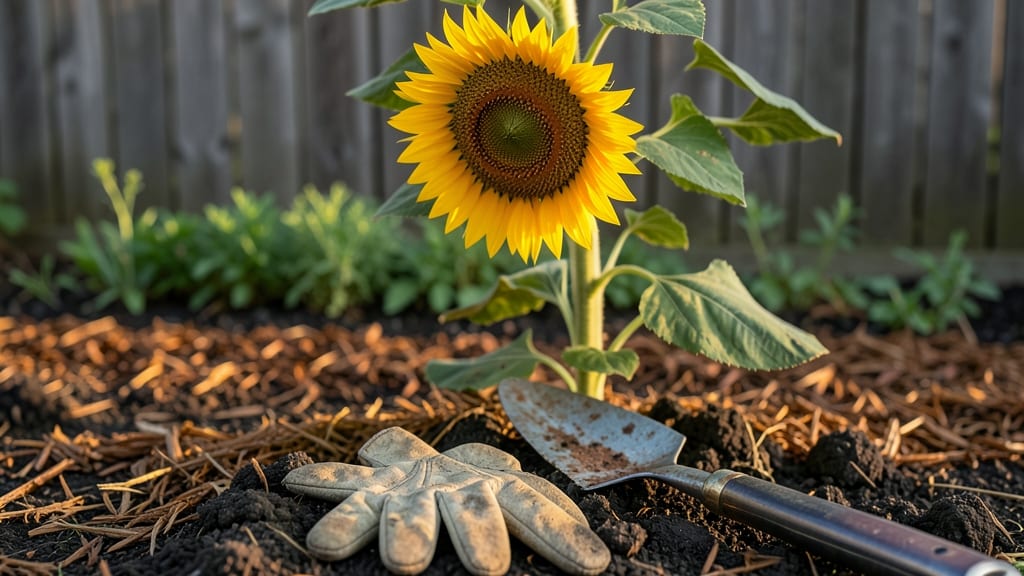
Planting sunflowers in Alabama at the wrong time could mean the difference between towering 10-foot stalks and sad, stunted blooms. The key to those vibrant 🌻 faces reaching their full potential lies in timing—specifically, waiting until after the last frost when soil temperatures hit 55°F.
Most Alabama gardeners swear by mid-April to early June as the sweet spot, but your exact window depends on whether you're in the cooler 7a zones of the north or the milder 8b coastal areas.
Get this wrong, and you risk early wilting or even worse—sunflowers that never bloom at all.
I’ve tested the best methods over years of Alabama gardening, and what I’m about to share will help you avoid common mistakes. You’ll learn exactly when to plant for maximum height, how to adjust for local microclimates, and which varieties thrive best in your specific corner of the state.
Ready to grow sunflowers that turn heads? Let’s dive into the perfect frost-free planting schedule that’ll have your garden bursting with color from late summer through fall.
Best months to plant sunflowers in Alabama for tallest stalks (frost-free guide)
Alabama’s USDA zones 7a–8b give sunflowers a 210-day frost-free window, but timing directly impacts their height and bloom size. Plant too early, and frost will damage tender seedlings; too late, and your stalks may not reach their full 8–14-foot potential.
The sweet spot? Mid-April to early June, when soil temperatures consistently stay above 55°F.
Direct sowing is best for sunflowers—they hate transplanting and thrive when planted 1 inch deep in loose, well-draining soil. Start seeds indoors 2–3 weeks before your last frost date (around March 15) if you’re eager, but most gardeners skip this step and plant straight into the garden.
Here’s the month-by-month breakdown for Alabama’s two main regions—North (e.g., Huntsville) vs. South (e.g., Mobile)—to maximize stalk height and flower production:
For tallest stalks, aim for April–May plantings in most of Alabama. This gives sunflowers 100+ days of warm weather to grow before first frost (typically mid-November). If you’re growing ‘Russian Giant’ or other towering varieties, start seeds indoors in late March and transplant after frost.
Pro tip: Test soil temperature with a thermometer before planting. Sunflower seeds need consistent warmth to sprout—if soil is below 55°F, wait a week or two. Cold soil delays germination and invites rot.
Watering matters too. After planting, keep soil moist but not soggy for the first 2 weeks. Once seedlings are 6 inches tall, reduce watering to 1–2 inches per week to encourage deep root growth. Overwatering leads to weak stems that snap in storms.
Alabama’s summer heat can stress sunflowers if they’re not established. If planting in June or July, choose fast-maturing varieties like ‘Moulin Rouge’ (50–60 days to bloom) to avoid late-season wilting. These work well for fall harvests before frost.
Finally, avoid late plantings—sunflowers need 60–120 days to mature, depending on the variety. Planting after mid-June risks blooms opening too close to frost, cutting your season short. Stagger plantings every 2 weeks for continuous blooms from July to October.
🌻
Best months to plant sunflowers in Alabama for tallest stalks (frost-free guide)
Alabama’s USDA zones 7a–8b give sunflowers a 210-day frost-free window, but timing matters for those towering 10–14-foot stalks. Plant too early, and frost will nip tender sprouts; too late, and blooms won’t mature before November’s first frost.
The sweet spot? Mid-April to early June for direct sowing, when soil temps hit 55°F+.
Northern Alabama (e.g., Huntsville) has a shorter growing season, so aim for April 15–May 1. Southern Alabama (e.g., Mobile) can stretch plantings to June 1, thanks to warmer coastal air.
Always check your local last frost date—Alabama’s ranges from March 15 (south) to April 1 (north).
Sunflowers thrive with full sun (6–8+ hours daily) and well-draining soil. Test your soil’s pH (ideal: 6.0–7.5) and amend with compost if needed. For tallest stalks, plant seeds 1 inch deep, spacing them 6–12 inches apart (closer for dwarf varieties).
| Month | Soil Temp | Action | Notes |
|---|---|---|---|
| March | 50–55°F | Start seeds indoors (southern AL) | Use grow lights; transplant after last frost |
| April | 60–70°F | Direct sow outdoors | Best for tall varieties; mulch to retain warmth |
| May | 70–80°F | Direct sow or transplant | Ideal for late bloomers; water deeply |
| June | 80°F+ | Direct sow (southern AL only) | Risk of bolting; choose fast-maturing varieties |
🌱 Pro Tip: Use black plastic mulch to warm soil faster in cooler zones.
Transplanting sunflower seedlings is not recommended—they handle root disturbance poorly. Instead, direct-sow seeds after the last frost. For extended harvests, stagger plantings every 2 weeks from April to June. Just avoid July plantings; Alabama’s summer heat causes bolting (premature flowering), leading to weak stalks.
Water newly planted seeds 1–2 inches weekly, focusing on the soil base (not leaves) to prevent fungal diseases like powdery mildew. Once established, sunflowers are drought-tolerant, but consistent moisture yields taller, straighter stalks. In August–September, reduce watering to harden plants for harvest.
Harvest sunflower seeds when the back of the flower head turns yellow and petals droop (late summer to early fall). Cut stalks and hang them upside down in a dry, dark place for 2 weeks to dry.
Save seeds for next year or roast them for snacks! With the right timing, your Alabama sunflowers could reach 12+ feet—taller than your neighbor’s fence! 🌻