Plants
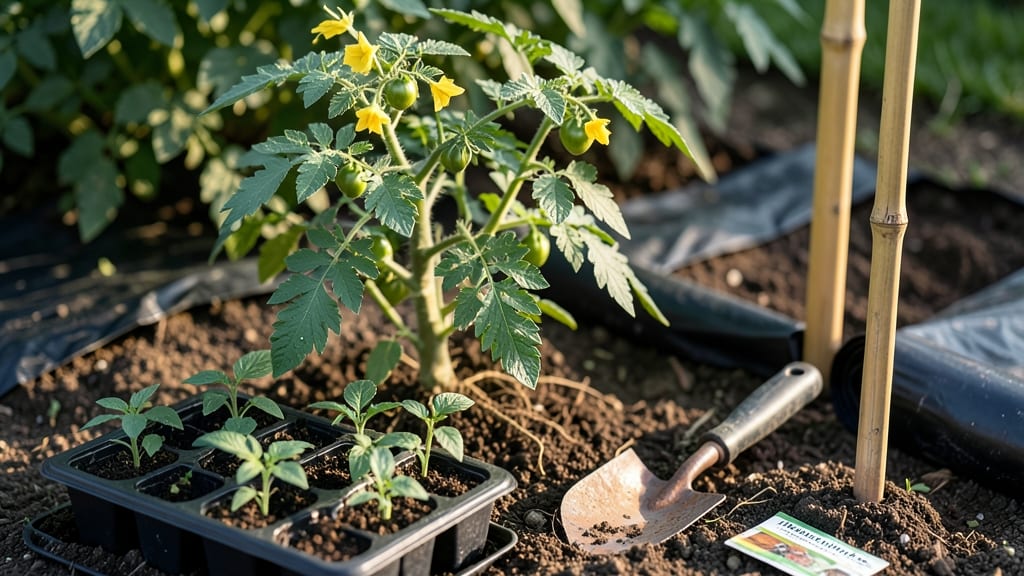
Timing when do you plant tomatoes in Indiana can mean the difference between a bumper crop and wasted effort. One wrong move—like planting too early—could leave your 🍅 vulnerable to late frosts, while waiting too long might cut your harvest short.
Indiana’s Zone 6a climate gives us a narrow window to work with, but with the right strategy, you can maximize your growing season. Whether you’re starting seeds indoors or transplanting seedlings, knowing when to put them in the ground is the key to success.
In this guide, I’ll walk you through the exact dates to plant tomatoes in Indiana, how to adjust for microclimates, and the best varieties for your region. You’ll also discover how to avoid common mistakes that ruin even the most promising tomato plants.
Ready to grow bigger, tastier tomatoes? Let’s get started with the perfect planting schedule for your Indiana garden.
Indiana last frost dates by Zone: when to plant tomatoes safely
Indiana’s Zone 5-6 climate means your tomato planting window hinges on last frost dates and soil warmth. Most years, the average last frost falls between April 15 and May 1, but microclimates—like urban heat islands or sheltered valleys—can shift this by 1-2 weeks.
For example, northern Indiana (Zone 5) often waits until mid-May, while southern Indiana (Zone 6) can plant as early as late April. Always check your local USDA Plant Hardiness Zone for precision.
To time your planting perfectly, use the 10-day rule: transplant seedlings 10-14 days after your area’s last frost date. This buffer accounts for late frosts and gives young plants time to establish roots.
For instance, if your frost date is April 20, aim to plant by May 5. Soil temperature is equally critical—tomatoes thrive when soil reaches 60°F (15°C), which typically aligns with late April to early May in Indiana.
Here’s how to adjust for your specific zone. Use this summary-table to pinpoint your planting window and key milestones:
For Indiana gardeners, tracking frost dates is non-negotiable. The National Weather Service and local Cooperative Extension offices provide 30-year averages—but real-time data is better. Use a frost calendar or apps like Old Farmer’s Almanac for updates.
Pro tip: If you’re starting seeds indoors, begin 6-8 weeks before your last frost date to have sturdy seedlings ready for transplanting.
Microclimates play a huge role in Indiana. A south-facing slope or urban heat island might warm up 1-2 weeks earlier than official frost dates. Test your soil with a soil thermometer—if it’s below 55°F (13°C), delay planting.
Conversely, low-lying areas or northern exposures may need to wait until mid-May to avoid frost damage. Pay attention to local topography and adjust accordingly.
If you’re planting from seed (not seedlings), start indoors under grow lights or in a sunny window 8 weeks before your last frost date. For Indiana, this means mid-February to early March.
Harden off seedlings 1-2 weeks before transplanting by gradually exposing them to outdoor conditions. This process mimics nature and reduces transplant shock, giving your tomatoes a healthier start.
For container gardening, timing shifts slightly. Containers warm up faster, so you can plant 1-2 weeks earlier than in-ground tomatoes. However, containers also dry out quicker, so monitor soil moisture closely.
Place pots in wheeled containers to move them indoors if a late frost threatens. This flexibility lets you extend your growing season in Indiana’s shorter summers.
Don’t overlook succession planting for a continuous harvest. In Indiana, plant a second batch of fast-maturing varieties (like ‘Early Girl’) 2-3 weeks after your first planting. This ensures tomatoes ripen throughout the summer, even if the first crop faces early blight or heat stress.
Space your plantings 2 weeks apart for a steady supply.
Finally, protect your young tomato plants with row covers or cloches if frost is forecasted after planting. These simple tools can raise soil temperature by 5-10°F and shield seedlings from light frosts.
Remove covers during the day to allow pollination and replace them at night. This extra layer of protection buys you critical growing time in Indiana’s unpredictable spring.
Best tomato varieties for Indiana’s short season: early vs. late planting
Indiana’s short growing season demands careful selection of tomato varieties that mature quickly or thrive in cooler temperatures. Whether you’re planting in Zone 5 or 6, choosing the right variety ensures a bountiful harvest before the first frost.
Early varieties like ‘Early Girl’ or ‘Stupice’ are my go-to for quick rewards, while mid-season picks like ‘Better Boy’ deliver larger yields if given enough time.
For gardeners in northern Indiana (Zone 5), prioritize early-maturing varieties (55–65 days) to beat frost. Southern Indiana (Zone 6) can handle slightly later varieties (65–75 days), but always account for unpredictable spring frosts. Succession planting—staggering seeds every 2–3 weeks—extends your harvest window and maximizes productivity.
Don’t overlook heirloom and disease-resistant varieties like ‘Mountain Merit’ or ‘Defiant PhR’, which tolerate Indiana’s humid climate better than traditional types. These varieties also adapt well to container gardening, perfect for patios or small spaces where soil conditions might be less than ideal.
Tomato Variety Comparison for Indiana
| Variety | Days to Maturity | Best For | Notes |
|---|---|---|---|
| Early Girl | 55–60 days | Zone 5, containers | Classic slicer; heat-tolerant |
| Stupice | 60–65 days | Cool seasons, Zone 5 | Cold-hardy; great for early starts |
| Better Boy | 70–75 days | Zone 6, trellises | Large beefsteak; needs support |
| Mountain Merit | 65–70 days | Disease resistance | Tolerates humidity; great for beginners |
If you’re pushing the limits of Indiana’s growing season, consider cold frames or row covers to protect late-planted varieties. For example, planting ‘Celebrity’ tomatoes (65 days) in late May with a floating row cover can push your harvest into early October.
Always monitor soil temperatures—tomatoes thrive when the ground stays above 60°F.
For container gardening, dwarf varieties like ‘Tiny Tim’ (45–50 days) or ‘Patio Princess’ (50–55 days) are ideal. These compact plants fit on balconies or decks while still delivering flavorful fruits. Just ensure containers have drainage holes and use a lightweight potting mix to prevent root rot.
Pro tip: Keep a planting journal to track which varieties perform best in your microclimate. Note the first and last frost dates each year, as Indiana’s weather can vary wildly. For instance, a late frost in May 2023 delayed planting for many gardeners, but early varieties still saved the season.
With the right variety and a little planning, you can enjoy homegrown tomatoes from July through October—no matter where you garden in Indiana. 🌱