Plants
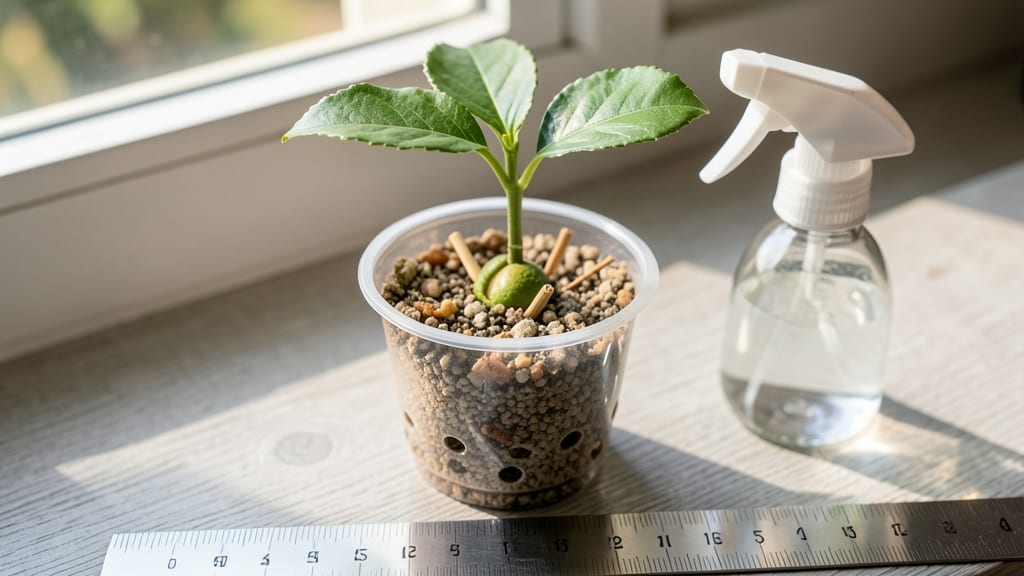
Timing when to plant an avocado seed in the dirt wrong could mean waiting months instead of weeks for that first green shoot to peek through the soil.
The secret to faster sprouting lies in understanding your climate zone and the perfect window—whether you're in a warm tropical region or a cooler USDA Zone 6a.
I’ve tested the best methods to give your 🥑 seed the head start it needs, from soil prep to humidity tricks that cut germination time in half.
Most gardeners make one critical mistake: planting too early or too late in the season. If you’re in Zone 6a, waiting until after the last frost (around March-April) is key—any earlier, and frost can kill your delicate seedling before it even takes root.
But what if you’re in a warmer climate? The rules change completely, and I’ll show you exactly how to adapt for year-round success.
You don’t need a green thumb to get this right—I’ll walk you through the fastest germination tricks, like balancing your seed with toothpicks or using humidity domes to mimic tropical conditions.
These methods can turn a 6-week wait into just 2-3 weeks, and I’ll explain why some seeds sprout in days while others take months (plus how to control those variables).
Ready to skip the guesswork? Let’s dive into the exact steps for planting your avocado seed in dirt—so you can go from seed to sapling in record time, no matter where you live.
Best time of year to plant avocado seeds in soil (by climate zone)
Timing is everything when planting avocado seeds—get it right, and you’ll see sprouts in weeks; get it wrong, and you might wait months (or worse, rot your seed).
Avocados thrive in warmth, so your climate zone dictates the perfect window. Let’s break it down by region to ensure your seedling starts strong.
In tropical climates (USDA Zones 10-12), you can plant avocado seeds year-round, but spring (March-May) offers the best balance of warmth and humidity. The key is maintaining soil temperatures above 60°F (15°C)—any cooler, and germination slows dramatically.
If you’re in Florida, Hawaii, or Southern California, aim for February to April for the fastest results.
For temperate zones (USDA Zones 7-9), like much of the U.S. Southeast or Mediterranean regions, wait until after the last frost—typically mid-April to early May. Avocado seeds are frost-sensitive, so planting too early risks killing your seed before it even sprouts.
Use a soil thermometer to confirm temps are consistently above 65°F (18°C) before planting.
🌡️ Critical Soil Temperature Guide
| Climate Zone | Ideal Planting Months | Soil Temp Requirement | Risk if Too Early |
|---|---|---|---|
| Tropical (Zones 10-12) | Year-round (peak: Feb-Apr) | 60°F+ (15°C+) | Slow germination |
| Temperate (Zones 7-9) | April-May (after frost) | 65°F+ (18°C+) | Frost damage |
| Cold (Zones 6 or below) | Indoor start (Feb-Mar) | 70°F+ (21°C+) | Seed rot |
💡 Pro Tip: Use a seedling heat mat if your soil is too cool—this can add 5-10°F to speed up germination.
If you’re in colder zones (USDA Zone 6 or below), like the Pacific Northwest or Midwest, indoor germination is a must.
Start your avocado seed in water (using the toothpick method) in February, then transplant to soil once nighttime temps stay above 50°F (10°C)—usually late May. These seeds hate cold, so never let them sit in chilly soil.
Humidity also plays a role—dry air (common in desert climates) can dry out seeds before they sprout. If your area has low humidity, use a humidity dome or plastic wrap over the pot for the first 2-3 weeks.
In high-humidity zones, like the Southeast U.S., ventilation is key to prevent fungal rot.
One common mistake? Planting seeds too deep. Avocado seeds need just 0.5 inches of soil coverage—any deeper, and they’ll struggle to break through. Mark your planting spot with a small stake to avoid burying it accidentally.
Also, avoid compacted soil—avocados despise soggy roots, so amend your soil with perlite or sand for drainage.
For container gardening, timing is flexible—you can plant seeds indoors anytime, but spring still offers the best light conditions. If you’re moving seedlings outdoors, harden them off for 7-10 days before transplanting. Skip this step, and your delicate seedling may wilts or shock in direct sunlight.
🌱 Remember: Avocado seeds can take 2-6 weeks to sprout, but patience pays off. If you’re in doubt about your local climate, err on the side of warmth—your seed will thank you with faster, healthier growth.
Best time of year to plant avocado seeds in soil (by climate zone)
Avocado seeds thrive in warmth, so timing your planting depends entirely on your climate zone. In tropical regions (like Florida or Hawaii), you can plant seeds year-round—but in temperate zones (like California or Texas), aim for spring after the last frost.
Cold climates (USDA Zones 8 and below) require indoor pre-germination before outdoor planting. The key is soil temperatures above 60°F—too cold, and your seed will rot; too hot, and it dries out.
For indoor starters, begin seeds in water (toothpick method) 4-6 weeks before your last frost date. This gives roots a head start before transplanting to soil. In warm climates, direct soil planting works anytime, but spring (March-April) offers ideal humidity and sunlight.
Avoid planting in summer heatwaves—seeds dry out faster, and seedlings stress easily.
🌱 Pro Tip: Use a soil thermometer to confirm temps. Avocado seeds need 65-75°F soil to sprout consistently. If your outdoor soil is cooler, start seeds indoors under grow lights for 2-3 weeks before moving them outside.
| Climate Zone | Best Planting Window | Soil Temp Requirement | Germination Time |
|---|---|---|---|
| Tropical (Zones 10-12) | Year-round (avoid heavy rains) | 65-85°F | 2-4 weeks |
| Temperate (Zones 7-9) | March-April (after frost) | 60-70°F | 4-8 weeks |
| Cold (Zones 6 & below) | Indoor start (Feb-March) | 70-75°F (indoor) | 3-6 weeks |
If you’re in a dry climate, like Arizona or Nevada, plant seeds in late spring when rains return. Mulch heavily to retain moisture—avocado seedlings hate dry soil.
In humid climates (like Louisiana or Puerto Rico), avoid planting during monsoon season—excess water causes root rot. Instead, aim for dry-season starts (November-December) for steady growth.
For container gardening, timing doesn’t matter as much—just ensure your pot has drainage holes and you’re using a light, airy potting mix. Move pots outdoors once soil temps stabilize above 60°F, usually 2-3 weeks after your last frost.
Harden off seedlings gradually to prevent shock from direct sunlight or temperature swings.
Watch for yellowing leaves—a classic sign of transplant shock or nutrient deficiency. If your seedling’s first leaves turn yellow within weeks of planting, it’s often due to overwatering or poor drainage.
Adjust your care immediately: let the top inch of soil dry out between waterings, and ensure your pot or garden bed has sandy loam for optimal airflow.
Remember: patience is key. Even with perfect timing, avocado seeds can take 6-12 weeks to sprout. If yours hasn’t germinated in 3 months, it may not be viable—don’t waste time waiting. Start fresh with a new seed! 🌱