
Plants
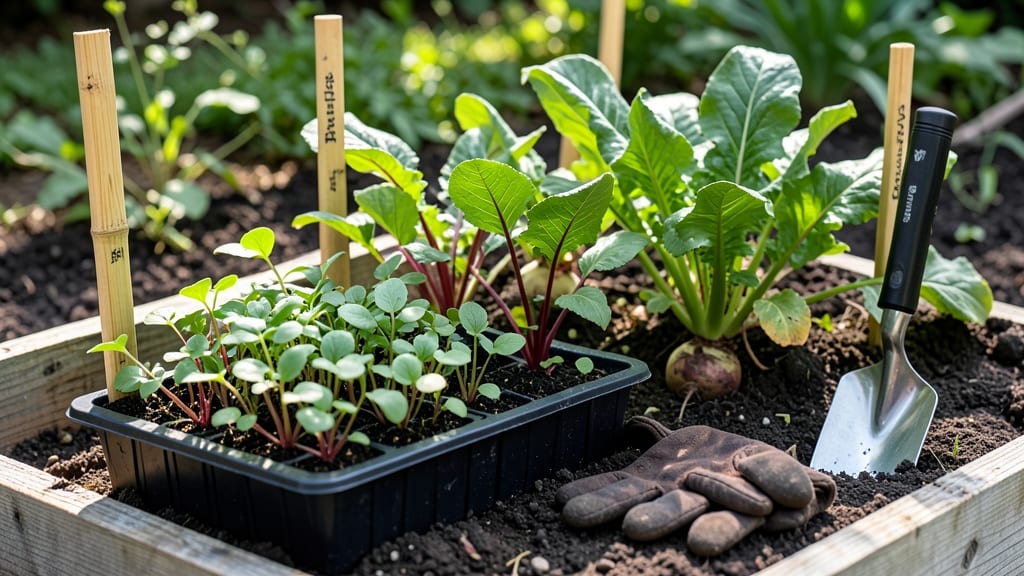
Timing your beet planting in Indiana can mean the difference between a sweet, tender harvest and a bitter, woody disappointment—especially in USDA Zones 5b-6b. The secret lies in knowing exactly when to sow those 🍠 seeds to avoid bolting (when beets turn tough and flower) and heat stress.
Spring is your best bet, but Indiana’s unpredictable frost dates (around April 15) make planning tricky. Planting too early risks frost damage, while waiting too long can trigger bolting before you even harvest. The ideal window? March 15–April 30, when soil temperatures hit 40–75°F—perfect for germination.
Fall planting offers a second chance for harvests from October to November. Start seeds between August 1–September 15 to beat the first frost (October 15) and enjoy a late-season bounty. Staggering plantings every 2–3 weeks in spring (or 4–6 weeks in fall) ensures a continuous supply.
Ready to master the timing? I’ll break down the exact steps, including soil prep, variety choices, and how to extend your harvest—so you never run out of fresh, homegrown beets again.
Best planting windows for Indiana beets (Zone 5-6): avoid bolting & heat stress
Indiana’s Zone 5-6 climate demands precise timing for beet plantings—too early risks frost damage, while late sowings trigger bolting. The ideal window spans two seasons: spring (March 15–April 30) and fall (August 1–September 15). These dates align with soil temperatures between 40–75°F, critical for germination and growth.
Spring plantings should begin when daytime highs reach 50°F consistently, typically mid-March in southern Indiana but closer to April 1 in northern regions. Fall sowings thrive until 6 weeks before your first frost (October 15 in most areas), ensuring mature roots before winter sets in.
Beets hate heat stress—avoid planting after May 15 in spring or before July 15 in fall. High temperatures (>85°F) cause bolting (flowering), turning sweet roots bitter and woody. Shade cloth can help extend summer plantings by 2–3 weeks if needed.
Indiana’s frost-free season (165 days) allows for two full harvests if you plan strategically. Early spring plantings yield June–July beets, while fall sowings provide October–November harvests. Staggering plantings bridges the gap between seasons.
Soil temperature is your best guide—use a soil thermometer to confirm 40°F+ for spring starts. Cold, wet soils delay germination, while overly warm soils (>80°F) trigger bolting. Aim for 55–65°F for optimal growth rates.
Here’s how Indiana’s microclimates affect timing: Southern counties (e.g., Evansville) can start 2–3 weeks earlier than northern areas (e.g., Fort Wayne). Adjust based on your last frost date—check Purdue Extension’s frost maps for local precision.
| Season | Planting Window | Soil Temp | Key Risks | Harvest Window |
|---|---|---|---|---|
| Spring | March 15–April 30 | 40–75°F | Frost damage, slow germination | June–July |
| Fall | August 1–September 15 | 50–70°F | Bolting, early frost | October–November |
| Extended Summer | June 1–July 15 (with shade) | 60–75°F | Heat stress, bolting | August–September |
Adjust dates 1–2 weeks based on your last/first frost date.
For continuous harvests, pair spring and fall plantings with succession sowings every 2–3 weeks in spring and 4–6 weeks in fall. This prevents glutting your kitchen while maximizing yield. Choose fast-maturing varieties like ‘Babybeat’ (50 days) for early harvests or ‘Detroit Dark Red’ (60 days) for storage.
Indiana’s humid summers demand well-drained soil to prevent rot. Amend clay soils with compost or sand before planting. Mulch with straw or grass clippings to retain moisture and suppress weeds—critical during the high-water-need months (May–July).
Pro tip: Plant beets with radishes in spring. Radishes germinate faster, marking rows for thinning beets. By the time radishes bolt (30 days), your beets will be established and ready to take over the space.
Monitor your garden for bolt-resistant signs: elongated leaves or flower stalks. If spotted, harvest immediately or use the greens in salads—the roots may still be edible if small. Bolting rarely ruins the entire crop but signals it’s time to replant for a late-season harvest.
Best planting windows for Indiana beets (Zone 5-6): avoid bolting & heat stress
Indiana’s Zone 5-6 climate demands precise timing for beets—plant too early, and frost zaps seedlings; too late, and bolting (bitter flowering) takes over. The sweet spot? Soil temperatures between 40°F and 75°F, which aligns with Indiana’s last frost date (April 15) and first frost (October 15).
For spring plantings, start seeds indoors 4-6 weeks before your last frost (around March 15) or sow directly in well-drained soil once temperatures stabilize. Fall plantings thrive when sown 8-10 weeks before the first frost—aim for August 1–September 15.
Here’s how Indiana’s two planting windows compare for sweet, tender harvests:
| Season | Planting Window | Soil Temp | Key Risk | Solution |
|---|---|---|---|---|
| Spring | March 15–April 30 | 40–65°F | Late frost | Use row covers |
| Fall | August 1–September 15 | 60–75°F | Bolting | Choose heat-tolerant varieties |
Pro tip: Stagger plantings every 2–3 weeks in spring and 4–6 weeks in fall to spread harvests. This works especially well for Detroit Dark Red or Chioggia varieties, which mature in 50–60 days.
Watch for soil warmth—stick your finger in the ground. If it feels cooler than your wrist, wait. Beets hate cold soil, which stunts growth. For extra insurance, mulch with straw to keep roots steady.
Indiana’s summer heat (July–August) can stress beets, so avoid planting then. Instead, focus on early spring or late summer for sweet, crisp roots.