
Plants
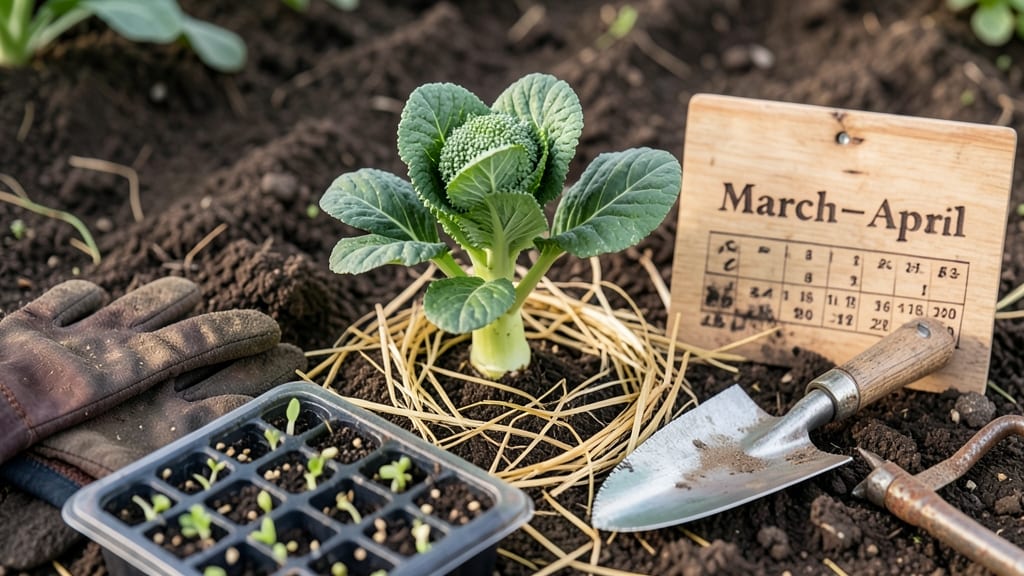
Knowing when to plant cabbage in Zone 7b can make the difference between a bumper crop of crisp, sweet heads and bitter disappointment. If you've ever watched your cabbage plants bolt before forming proper heads—or worse, wilt in summer heat—you're not alone.
The key is timing: planting too early risks frost damage, while waiting too long means your plants will struggle with heat stress.
For Zone 7b gardeners, the ideal windows are early spring (March–April) and late summer (August–September), when soil temperatures hover between 45–85°F. This ensures your 🥬 thrives without bolting or cracking heads.
But here's the secret: the exact weeks before your last frost date (around March 15) are critical for maximizing yield and flavor.
I'll walk you through the precise timing for both spring and fall plantings, plus how to adjust for Zone 7b's unique climate quirks. Whether you're a beginner or a seasoned gardener, these insights will help you grow cabbage that's sweeter, firmer, and ready to harvest at peak perfection.
Let's dive into the exact strategies that work in your region—no more guesswork, just guaranteed results for your garden.

Optimal cabbage planting windows in Zone 7b: exact weeks before frost
In Zone 7b, where last frosts typically hit around March 15 and first frosts arrive by November 15, timing your cabbage planting is everything.
The key is to sow seeds or transplant seedlings when soil temperatures hover between 45–85°F, giving plants enough time to mature before summer heat or winter cold sets in.
For most head cabbage varieties (like Golden Acre or Red Express), aim for a 75-day harvest window, while faster-maturing types (e.g., Bok Choy) can be ready in 50–60 days.
Zone 7b’s climate presents a unique challenge: summer temperatures often exceed 90°F, causing cabbage to bolt prematurely. To avoid this, focus on early spring (March–April) and late summer/fall (August–September) plantings. These windows align with cooler periods when cabbage thrives, ensuring sweet, crisp heads instead of bitter or flowering plants.
For spring plantings, start seeds indoors 6–8 weeks before your last frost date (around February for Zone 7b). Transplant seedlings outdoors once soil reaches 40°F+ and nighttime temperatures stay above 35°F.
This gives plants a 3–4 month growing season before summer heat arrives. For fall plantings, sow seeds directly in late July–early August or transplant seedlings in August to harvest before winter.
🌱 Zone 7b Cabbage Planting Timeline
| Planting Window | Action | Soil Temp | Harvest Time |
|---|---|---|---|
| Early Spring (Feb–March) | Start seeds indoors | 45–60°F | June–July |
| Late Spring (April) | Transplant seedlings | 50–65°F | June–July |
| Late Summer (Aug) | Direct sow or transplant | 60–75°F | October–November |
| Early Fall (Sept) | Succession plant | 55–70°F | October–November |
💡 Pro Tip: Use shade cloth (30–50%) during summer to protect plants from bolting.
If you’re growing bok choy or Chinese cabbage, these varieties tolerate slightly warmer soil temperatures and can be planted 2–3 weeks later than head cabbage. For example, sow bok choy seeds in late April for a summer harvest or early September for a fall crop.
These quick-maturing types (ready in 30–50 days) are perfect for succession planting throughout the growing season.
One common mistake in Zone 7b is planting too late in spring, which forces cabbage to struggle through 90°F+ heat. To avoid this, monitor your local frost dates and adjust planting times accordingly.
For example, if your last frost is April 1 (earlier than the average March 15), shift your spring planting schedule 2–3 weeks earlier. Use a planting calendar or gardening app to track progress and set reminders for transplanting.
For fall harvests, prioritize varieties with shorter maturity times, such as Early Jersey Wakefield (55 days) or Golden Ball (60 days). These types can be planted in late July and still reach maturity before winter.
If you’re unsure about your local frost dates, err on the side of earlier planting—cabbage grows slower in cooler fall temperatures than in spring.
Remember, soil temperature matters just as much as air temperature. Use a soil thermometer to confirm conditions before planting. Ideal soil temps for cabbage germination are 45–85°F, but seedlings can tolerate 40°F+ once established.
If your soil is too cold, wait a few days or use black plastic mulch to warm it up faster.
Finally, consider microclimates in your garden. Areas near walls or under trees may stay cooler in summer, extending your planting window. Conversely, open, sunny spots can get too hot for cabbage in late spring. Test different locations with trial plantings to find the sweet spot for your Zone 7b garden.
By mastering these planting windows, you’ll avoid the frustration of bolting or stunted growth and enjoy a bountiful harvest of crisp, flavorful cabbage all season
Zone 7b cabbage success: soil temperature, spacing, and transplant tips
Getting your cabbage off to the right start in Zone 7b means paying close attention to soil temperature and proper transplanting techniques. Cabbage thrives when soil stays between 45–85°F, but Zone 7b’s hot summers can push temps beyond that range.
If your soil gets too warm (above 85°F), your plants may bolt or develop bitter leaves. I’ve found that mulching with straw or shredded leaves keeps roots cool while retaining moisture.
For spacing, head cabbage varieties need 18–24 inches apart in rows spaced 24–36 inches apart. Leaf cabbage (like bok choy) can handle 12–18 inches apart since they don’t form dense heads.
Overcrowding leads to poor air circulation, increasing the risk of disease like downy mildew. I always mark my rows with stakes or string to ensure even spacing from day one.
When transplanting seedlings, harden them off for 7–10 days before moving them outdoors. This means gradually exposing them to Zone 7b’s sun and wind to avoid shock. I start by placing them in a shady spot for a few hours, then increase their exposure daily.
On transplant day, water the soil thoroughly before and after moving the seedlings to reduce stress. A root stimulator like mycorrhizal fungi can also help them establish faster.
🌱 Key Takeaways for Zone 7b Cabbage Success
If your Zone 7b summers are particularly brutal (think 90°F+), consider using shade cloth to protect young plants. A 30–50% shade cloth lets in enough light while keeping temps down. I’ve seen dramatic improvements in plant survival rates when using this trick during July and August. Just
One common issue in Zone 7b is yellowing leaves, often caused by nutrient deficiencies or overwatering. If your cabbage leaves turn yellow, check the soil moisture and adjust your watering schedule. A balanced fertilizer (like 10-10-10) applied every 4–6 weeks keeps plants healthy. For cracked heads, which happen when plants experience uneven watering, mulch heavily and water consistently to avoid fluctuations.
Finally, always choose cabbage varieties suited for Zone 7b, such as ‘Golden Acre’ (fast-maturing) or ‘Red Express’ (heat-tolerant). These types handle your region’s climate better than delicate heirlooms.
With the right soil prep, spacing, and a little shade when needed, you’ll be harvesting crisp, sweet cabbage heads all season long.