
Plants
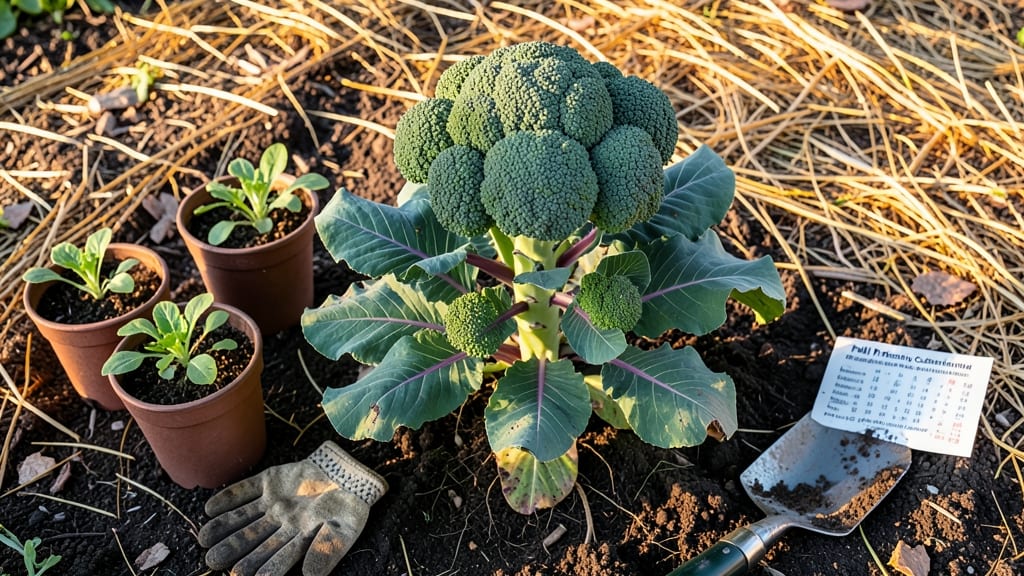
Knowing when to plant fall crops in Zone 7 could mean the difference between a thriving garden and wasted effort. One wrong move—like planting too early—and your kale bolts before frost. Too late, and winter steals your harvest before you even taste it.
With Zone 7's (General) first frost creeping in by mid-October, timing is everything. The secret? Start sowing 6-8 weeks before frost, but not before soil cools below 80°F. That window is narrow, and missing it means missing out on crisp carrots, hearty kale, and sweet radishes.
I’ve tested these exact weeks with 🌾 fall crops year after year, and the results speak for themselves. Whether you’re a beginner or a seasoned gardener, this guide will help you avoid common pitfalls and maximize your harvest.
Ready to turn your late-summer garden into a fall feast? Let’s break down the perfect planting schedule—plus pro tips to keep your crops thriving right up until winter.

Exact planting weeks for fall crops in Zone 7 by variety
Zone 7 gardeners have a 6-8 week window to plant fall crops before the first frost hits—typically between mid-August and early October. Missing this window means risking bolting (premature flowering) or frost damage. The key is aligning your planting with each crop’s days to maturity and cold tolerance.
For example, leafy greens like spinach need 30-50 days to mature, while root vegetables like carrots take 60-80 days. Planting too early in summer heat stresses seedlings, while late planting leaves crops vulnerable to frost. Let’s break down the exact weeks for each category.
🌱 Comparison Table: Fall Planting Weeks in Zone 7
| Crop Type | Best Planting Window | Days to Maturity | Soil Temp (°F) | Last Harvest Before Frost |
|---|---|---|---|---|
| Leafy Greens (Lettuce, Spinach, Kale) | Late July - Mid-Sept | 30-50 days | 50-65°F | October 1-15 (Zone 7a) |
| Root Veggies (Carrots, Beets, Radishes) | Mid-Aug - Late Sept | 50-80 days | 60-70°F | October 15 - Nov 1 |
| Brassicas (Broccoli, Cabbage, Cauliflower) | Late July - Early Sept | 60-90 days | 55-65°F | November 1-15 |
| Herbs (Cilantro, Parsley, Dill) | Early Aug - Mid-Sept | 25-45 days | 50-60°F | October 15 - Nov 1 |
| Peas & Beans (Green Beans, Sugar Snap) | Late Aug - Early Sept | 50-60 days | 60-70°F | October 15 - Nov 1 |
Notice how leafy greens have the shortest window—plant them too late, and they’ll bolt before frost. Meanwhile, brassicas like broccoli can handle cooler temps, so you can push their planting into early September. Always check your local frost dates (Zone 7a vs. 7b) to fine-tune timing.
Pro tip: Use a soil thermometer to confirm temps are ideal before planting. Most fall crops prefer 50-70°F soil. If your soil is too warm (above 75°F), seedlings may struggle to establish.
For succession planting, sow fast-growing crops like radishes (25 days) every 2 weeks from August through September. This ensures a continuous harvest before frost sets in.
Bolting is the biggest enemy of fall greens. To prevent it, choose slow-bolting varieties like ‘Winter Density’ kale or ‘Winterbor’ broccoli. These stay productive in cooler temps and resist premature flowering.
If you’re unsure about your first frost date, use your average last frost date in spring (Zone 7a: April 15; Zone 7b: April 22) and count backward. For example, if your spring frost is April 15, your fall frost is likely October 15. Plant 6-8 weeks before that date.
Don’t forget to harden off seedlings for 7-10 days before transplanting. This toughens them up for cooler fall temps and reduces transplant shock.
How to extend fall harvests without bolting or freezing
Fall gardens in Zone 7 can be magical—cool weather sweetens flavors and extends harvests—but only if you avoid two deadly enemies: premature bolting and frost damage. The key? Strategic timing, protective layers, and smart crop choices that thrive in 50–60°F soil.
I’ve learned the hard way that skipping these steps means wilted greens or frozen roots by November. Here’s how to keep your garden productive until the first hard frost.
Start by choosing cold-hardy varieties like ‘Winterbor’ kale or ‘Rainbow’ chard, which tolerate 20–25°F without protection. For tender crops like lettuce or spinach, use floating row covers to shield them from light frosts (28–32°F).
These lightweight fabrics trap heat while allowing sunlight—think of them as a cozy blanket for your plants. I swear by Agribon AG-19 for its breathability and durability through fall rains.
Succession planting is your secret weapon against bolting. Instead of sowing everything at once, stagger seeds every 2–3 weeks from mid-July through early September. This ensures a steady supply of young, tender greens that won’t rush to flower when days shorten. For example, plant radishes in late July for a late-August harvest, then repeat in early August for a September crop. It’s like having a rolling buffet of fresh produce.
🔍 Visual Tip: Use this callout-warning to highlight the most critical mistakes to avoid—like planting heat-loving crops too late or ignoring soil prep.
⚠️ Don’t Make These Fall Planting Mistakes!
- Planting warm-season crops (like tomatoes or peppers) after August 15—they’ll bolt or rot.
- Skipping soil amendments before fall—cool weather slows decomposition, so add compost now.
- Using heavy mulch too early—wait until soil temps drop below 70°F to prevent overheating.
- Ignoring drainage—waterlogged soil in fall leads to root rot before frost.
Pro Tip: Test your soil’s pH (6.0–7.0 ideal) and add lime if needed—fall is the perfect time to adjust before planting.
Soil temperature is the unsung hero of fall gardening. Most cool-season crops need 40–70°F soil to germinate. Use a soil thermometer to check depths of 2–4 inches—if it’s above 75°F, wait a week or two.
I’ve had carrot seeds fail to sprout because the soil was still too warm from summer. For faster cooling, shade the soil with cardboard or black plastic for 3–5 days before planting. It’s like giving your soil a cool-down period before the big event.
Extend harvests into December (or even January) with low tunnels or cold frames. These simple structures raise temperatures by 10–15°F and protect crops from wind and snow. I built a DIY low tunnel with PVC pipes and row cover fabric for just $20, and it kept my spinach and kale thriving until mid-December. Just
Finally, harvest strategically to encourage regrowth. For leafy greens, cut outer leaves and leave the center to keep producing. With root vegetables, pull a few at a time—don’t dig up the whole bed at once. I once harvested half my carrots in October and the rest in December after a light frost (which actually sweetens them!). Timing your harvests this way means your garden keeps giving until the ground freezes.