
Companion Plants
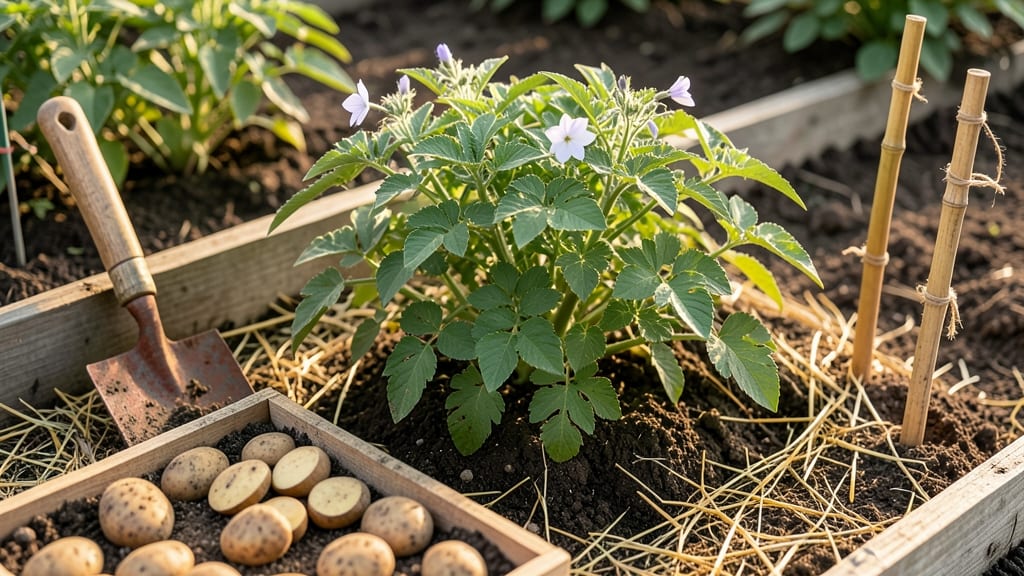
Timing your potato planting in Zone 6b isn’t just about throwing seed potatoes into the ground—it’s the difference between a bountiful harvest of crisp, golden potatoes and a sad, bolting mess.
The key? Starting when soil temperatures hit that sweet spot of 45–50°F, usually 4–6 weeks before your last frost date (around early April for most of 6b).
Here’s the catch: Plant too early, and your 🥔 might rot in cold soil. Wait too long, and you risk bolting—those bitter, flower-filled tubers no one wants. I’ve learned the hard way that Zone 6b’s unpredictable springs demand flexibility, whether you’re growing early Yukon Golds or late-season Kennebecs.
This guide cuts through the guesswork with exact planting windows, soil prep tips, and frost-smart strategies tailored for 6b. No more second-guessing—just a foolproof plan to dig up perfect potatoes by midsummer.
Ready to turn your garden into a potato powerhouse? Let’s get those spuds in the ground the right way.

Zone 6b potato planting calendar: exact weeks before last frost
In Zone 6b, potatoes demand precise timing to avoid bolting (premature flowering) or frost damage. Your last average frost date is typically around April 15, but soil temperature—not air temperature—dictates when to plant.
Aim for 45–50°F soil temps, which usually arrives 4–6 weeks before your last frost. For Zone 6b, that means planting early March to mid-April, depending on your exact microclimate.
Potatoes are divided into early, mid, and late varieties, each with a distinct planting window. Early varieties like Yukon Gold or Red Norland can tolerate cooler soils and should go in first, while late varieties like Russet Burbank need warmer soil and go in later.
Staggering your planting ensures a continuous harvest from mid-July to September.
Here’s your Zone 6b potato planting timeline, including soil temperature checks and harvest windows to maximize yield and flavor:
For Zone 6b gardeners, the critical cutoff is April 15. Planting late varieties after this date risks bolting, where potatoes prematurely flower and produce bitter, undersized tubers. To extend your season, consider black plastic mulch or row covers to warm the soil faster in cooler springs.
If you’re unsure about your exact last frost date, check your local USDA Plant Hardiness Zone Map or use a frost calendar from your state’s agricultural extension office.
For example, Chicago (Zone 6b) averages its last frost on April 12, while Pittsburgh sees it around April 18. Adjust your planting window accordingly.
For a continuous harvest, plant early, mid, and late varieties in 2-week intervals. This ensures you’re always pulling fresh potatoes from the garden while older plants finish their cycle.
For instance, plant Yukon Gold in early March, Kennebec in late March, and Russet Burbank in early April.
Remember: Potatoes hate heat. Once soil temperatures exceed 75°F, growth slows, and tubers become misshapen. In Zone 6b, this usually happens by mid-June, so plan your harvest timeline to avoid summer stress. Early varieties are your best bet for escaping the heat!
To test if your soil is ready, stick a soil thermometer 4 inches deep. If it reads 45–50°F, it’s time to plant. If it’s colder, wait—cold soil delays germination, leading to sparse, weak plants. Patience here pays off with stronger tubers and higher yields.
Finally, mark your calendar for harvest time. Potatoes are ready when the flowers appear and the foliage yellows. For early varieties, this is as soon as mid-July, while late varieties may need to wait until September.
Dig carefully to avoid damaging tubers, and let them cure in a dark, dry place for 1–2 weeks before storing.
``` 🌱Zone 6b potato planting calendar: exact weeks before last frost
Zone 6b gardeners face a critical 4-6 week window to plant potatoes before soil temperatures climb above 50°F. This narrow margin separates sweet, crisp tubers from bitter, bolting failures.
Most Zone 6b areas experience their last frost around April 15, meaning your planting deadline falls between mid-March and early April—but timing varies by potato variety and microclimate.
Early varieties like Yukon Gold (60-70 days to maturity) can handle cooler soils, while late varieties like Russet Burbank (90-100 days) demand warmer conditions. The key is planting when soil reaches 45-50°F—cold enough to prevent bolting but warm enough for sprouting. Use a soil thermometer to verify before planting.
Zone 6b Potato Planting Timeline
| Variety Type | Planting Window (Before Last Frost) | Soil Temp Threshold | Estimated Harvest |
|---|---|---|---|
| Early (60-70 days) | 4-6 weeks before last frost | 45-50°F | Mid-June to early July |
| Mid-Season (70-80 days) | 3-5 weeks before last frost | 50-55°F | Late June to mid-August |
| Late (90-100 days) | 2-4 weeks before last frost | 55-60°F | Late July to early September |
*Last frost date varies by location within Zone 6b (e.g., Chicago vs. Raleigh). Adjust planting dates accordingly.
For gardeners in northern Zone 6b (e.g., Traverse City, MI), aim to plant by March 20 to avoid early bolting. In southern Zone 6b (e.g., Atlanta, GA), extend your window to April 10—but monitor soil temps closely.
Pro tip: Use black plastic mulch to warm soil faster if your spring arrives late.
Missed the spring window? Zone 6b allows for a second planting in late June using early-maturing varieties like Red Norland. This "summer crop" must be harvested before the first frost (typically mid-October), but it’s a great way to extend your harvest season.
Remember: Potatoes planted too late in Zone 6b will bolt prematurely, producing bitter tubers and wasted effort. The 45-50°F soil rule is your best friend—test it before planting to guarantee success.
🌱