
Plants
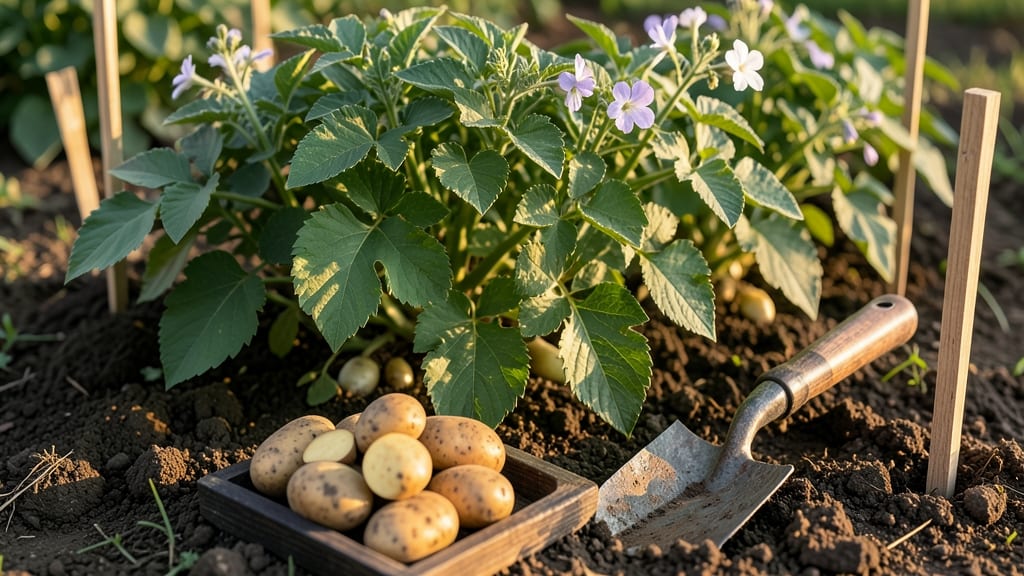
When should you plant potatoes in Ohio? Timing your potato planting can make or break your harvest—get it wrong, and you’ll either watch your crop bolt into flowers or risk losing everything to an early frost. The sweet spot between 45°F soil and the last frost date (usually mid-April) is where Ohio gardeners hit their stride, but one wrong move throws off the whole season.
I’ve seen too many gardeners pull out their 🥔 seed potatoes in March, only to have them rot in cold soil or sprout too early, leaving them vulnerable to unpredictable spring weather.
The key isn’t just the calendar—it’s understanding how Ohio’s Zone 6a climate plays into soil warming, frost risks, and variety selection.
In this guide, I’ll break down the exact windows for planting early, mid, and late-season potatoes, plus how to adjust for Ohio’s quirky weather patterns.
You’ll learn when to start chitting your seeds, how deep to bury them, and which varieties thrive in your region—so you can go from nervous newbie to confident spud grower.
Whether you’re aiming for 60-day harvests or saving space for a fall crop, mastering these details means fewer wasted seeds and more homegrown potatoes filling your pantry. Let’s get those spuds in the ground the right way.
Ohio potato planting calendar: exact weeks & soil temperature guide
Ohio’s frost-free dates and soil temperature are the two most critical factors for planting potatoes successfully. In most of Ohio’s USDA Zones 5-6, the last frost typically arrives between mid-April and early May, but this varies by region—Northern Ohio often gets frost a week later than Southern Ohio.
To avoid bolting (premature flowering), aim to plant when soil temperatures consistently reach 45°F (7°C).
I’ve planted potatoes for over 15 years in Ohio, and I’ve learned that Northern Ohio (like Cleveland) needs to wait until early April, while Southern Ohio (like Columbus) can start as early as late March.
The key is to monitor soil temperature with a soil thermometer—don’t rely on air temperature alone, as it can be misleading.
For a foolproof timeline, use this rule: plant seed potatoes 2-4 weeks before your last frost date. This gives them enough time to sprout before the ground warms fully.
For example, if your last frost is April 15, plant between March 25 and April 5. This window ensures tubers develop underground while foliage thrives above.
Here’s a quick reference for Ohio’s planting zones and their ideal soil temperatures:
| Region | Last Frost Date | Ideal Planting Window | Soil Temp Threshold |
|---|---|---|---|
| Northern Ohio (Cleveland, Toledo) | Mid-April | Late March - Early April | 45°F+ (7°C) |
| Central Ohio (Columbus, Dayton) | Early April | Late March - Mid-April | 45°F+ (7°C) |
| Southern Ohio (Cincinnati, Athens) | Late March | Late February - Early March | 45°F+ (7°C) |
If you’re unsure about your last frost date, check the Old Farmer’s Almanac or your local Cooperative Extension Service. These resources provide hyper-local data that can save your potatoes from frost damage.
I once planted too early in Northern Ohio, and a late frost killed my sprouts—don’t make that mistake!
For early varieties like 'Yukon Gold', you can push the envelope slightly and plant as early as late February in Southern Ohio, but only if you use row covers or a cold frame to protect young plants.
These varieties mature in 90 days, so they can still reach harvest before the first frost in October.
Conversely, late varieties like 'Kennebec' need a longer growing season (up to 120 days). Plant these closer to your last frost date—around mid-April—to ensure they mature before frost.
I’ve found that spacing matters too: plant early varieties 12 inches apart and late varieties 15 inches apart to give them room to spread.
One pro tip I swear by: chit your seed potatoes (sprout them indoors) before planting. This gives you a head start and ensures uniform germination. Place your seed potatoes in a bright, cool spot (around 50°F) for 2-4 weeks before the last frost.
You’ll see little white sprouts emerge—these are ready to plant as soon as the soil warms.
Finally, remember that Ohio’s spring weather is unpredictable. Even if you’ve planted on time, a late frost can still damage young plants. To mitigate this risk, choose frost-tolerant varieties like 'Red LaSoda' or use black plastic mulch to warm the soil faster and protect sprouts.
How to adjust planting for Ohio’s unpredictable spring weather
Ohio’s spring weather can be a potato planter’s worst nightmare—one day it’s warm and sunny, the next it’s a frosty surprise. Late frosts in April or May can wipe out tender sprouts, while cold, wet soil delays planting.
The key? Flexibility and preparation. I’ve learned to adjust my planting strategy based on Ohio’s unpredictable patterns, and these tricks have saved my harvests more times than I can count.
First, monitor your local frost dates—they can vary by 1-2 weeks even within Ohio. For example, Northern Ohio (Zone 5) often sees frost until mid-April, while Southern Ohio (Zone 6) may be frost-free by early April.
Use the National Weather Service or local cooperative extension for updates. If frost is forecasted within 2 weeks of planting, delay until soil warms to 45°F consistently.
Even if air temperatures rise, cold soil (below 45°F) can stunt potato growth or kill emerging sprouts. Test soil with a soil thermometer—plant only when it reaches 45°F+ for 3+ days. If soil is still cold, use black plastic mulch or straw bales to warm it faster.
For risk-averse gardeners, I recommend the "two-week rule": Plant your first batch 2 weeks before your average last frost date, then follow up with a second planting 2 weeks later.
This staggered approach ensures at least one batch survives late frosts. For example, if your last frost is April 15, plant March 25 and April 8 for a double harvest.
Another trick? Chit your seed potatoes before planting. Place them in a bright, cool spot (50-60°F) for 2-4 weeks so they sprout 1-inch stems. These pre-sprouted potatoes emerge faster and outgrow frost threats.
Plus, they’re easier to plant—just cut larger tubers into chunks with 2-3 eyes each and let them heal for 1-2 days before planting.
If frost strikes after planting, cover young plants immediately with row covers, old blankets, or even cardboard. Remove covers when temperatures rise to 50°F+ during the day.
For extra protection, hill soil around stems as plants grow—this insulates roots and speeds up warming. I’ve seen 3-inch-tall sprouts survive 28°F nights with this method!
Finally, choose your varieties wisely. Early-season types like ‘Early Red’ or ‘Yukon Gold’ mature faster (60-90 days) and tolerate cooler soils better than late varieties.
If spring is exceptionally slow, opt for container growing—fill pots with well-draining mix and place them in a sunny, sheltered spot to jumpstart growth.