
Companion Plants
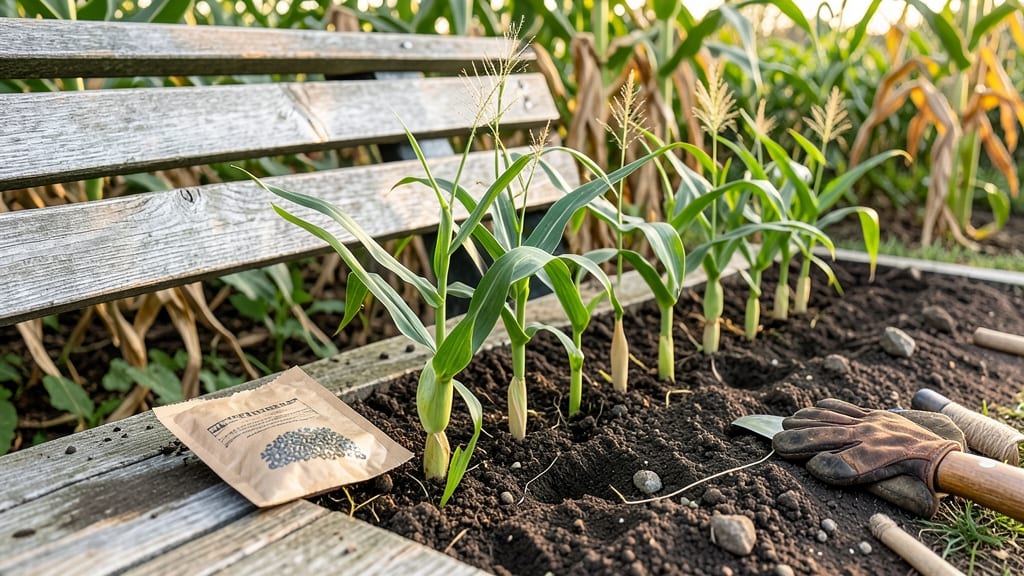
Planting corn in Pennsylvania at the wrong time could mean the difference between a bountiful harvest and stunted 🌽 stalks that barely produce. The ideal window—mid-April to mid-May—hinges on soil temperatures and last frost dates, but PA’s varied climate (zones 5b-7a) adds complexity.
Skip the guesswork and plant when your soil hits 60°F consistently, ensuring strong roots before summer heat arrives.
Why does timing matter so much? Corn thrives when planted after frost risk passes and soil warms, but rushing it leads to weak plants vulnerable to pests or cold snaps. In Pennsylvania’s unpredictable spring, even a week’s delay can shift your harvest window.
I’ll break down how to read your local frost data, use soil thermometers, and adjust for microclimates—so you’re planting at peak readiness, not panic.
Most gardeners focus on calendar dates, but the real secret is soil temperature. Corn seeds won’t germinate properly below 50°F, and waiting until 60°F ensures faster growth.
I’ll show you how to test your soil, spot early signs of readiness, and even extend your season with row covers if needed. Ready to turn your PA garden into a cornfield goldmine?
From choosing the right variety for your zone to spacing seeds perfectly, this guide covers every step to maximize your yield. Let’s get those kernels plump and ready for harvest by summer—without the frustration of last-minute adjustments.
PA corn planting dates by hardiness zone: frost & soil temperature rules
Pennsylvania spans USDA zones 5b through 7a, meaning your last frost dates can vary by weeks—even between neighboring counties. In northern PA (zones 5b-6a), you’ll typically wait until mid-to-late May to plant, while southern PA (zones 6b-7a) gardeners can start as early as mid-April.
The key isn’t just frost dates, though—it’s soil temperature. Corn seeds need soil that’s at least 50°F (10°C) at 4-inch depth to sprout reliably.
For sweet corn varieties, which are more sensitive to heat, aim for planting when daytime highs are consistently 70°F (21°C) or warmer. Field corn, used for animal feed or silage, has a slightly wider window but still thrives best when planted after the last frost.
If you’re in zone 6a or cooler, consider short-season varieties like ‘Early Sunglow’ (60-day maturity) to avoid fall frosts cutting your harvest short.
Here’s how to translate frost dates into action: Check your local Almanac frost calendar (like the Old Farmer’s Almanac) for your specific county, then add 2-3 weeks as a buffer.
For example, if your last frost is April 20, wait until May 5-10 to plant. This accounts for late cold snaps that can still hit PA gardens in May.
🌱
If you’re planting late May or later, opt for fast-maturing varieties (under 80 days) to ensure ears develop before fall frosts. In northern PA, where growing seasons are shorter, consider succession planting every 2 weeks until early June to stretch your harvest.
For example, plant one batch on May 15, another on May 30, and a final one on June 15—this gives you ears ready from late July through September.
Pro tip: Use a soil thermometer (available for under $10) to confirm your soil is warm enough. Stick it in the ground at 4-inch depth and wait until it reads 50°F+ for 3 consecutive days.
Cold soil can delay germination by weeks, leaving your corn vulnerable to cutworms and armyworms, which thrive in slow-growing stands.
For southern PA gardeners in zones 6b–7a, you can push the envelope slightly by planting early April if you use row covers or a cold frame to protect seedlings.
However, avoid planting more than 2 weeks before your average last frost, or you risk frost damage to tender young plants. If you’re unsure, err on the side of planting 1–2 weeks late—corn is forgiving once it’s established, but frost-killed seedlings are not.
🌿
One common mistake PA gardeners make is planting too early to beat the frost, only to have seeds rot in cold, wet soil. If you’re in zone 5b or 6a, wait until after May 10 unless you’re using a high tunnel or greenhouse for early starts.
Even then, harden off seedlings for at least a week before transplanting to avoid shock.
Finally, remember that microclimates play a huge role in PA. Gardens in valleys (like the Poconos) often experience later frosts than hilltops, while urban areas (like Philadelphia) can be 2–3°F warmer due to the heat island effect. Observe your garden’s unique patterns for at least
How to time corn planting for maximum yield in PA’s climate
Timing your corn planting in Pennsylvania isn’t just about avoiding frost—it’s about matching soil warmth to your corn’s needs. Corn thrives when soil temperatures hit at least 50°F, but for faster germination, aim for 60°F or warmer.
In cooler zones like 5b, this often means waiting until late April to early May, while zone 7a gardeners can start as early as mid-April if the ground warms quickly.
Don’t rush planting! Cold soil slows germination and invites soil-borne diseases. I’ve learned the hard way—planting too early in 2022 led to patchy sprouts and stunted stalks. Always check soil temps with a thermometer (or press your hand into the soil—if it feels cold, wait!).
For southern PA, this usually aligns with after the last frost date, but northern regions may need to push planting to mid-May for safety.
🌽 Pro Tip: Use black plastic mulch or row covers to warm soil faster if you’re eager to plant early. These tricks can shave 1–2 weeks off your planting window, giving you an earlier harvest. Just remove covers once plants emerge to prevent overheating.
Microclimates matter! Valleys and low-lying areas stay colder longer, while south-facing slopes warm up faster. If you’re in a frost-prone pocket, opt for early-maturing varieties (like ‘Ambrosia’ or ‘Silver Queen’) with 60–70 day harvest times to beat fall frosts.
I planted ‘Ambrosia’ in a valley last year—it matured 2 weeks earlier than the same variety on a hillside!
Here’s my **3-step readiness