
Trees
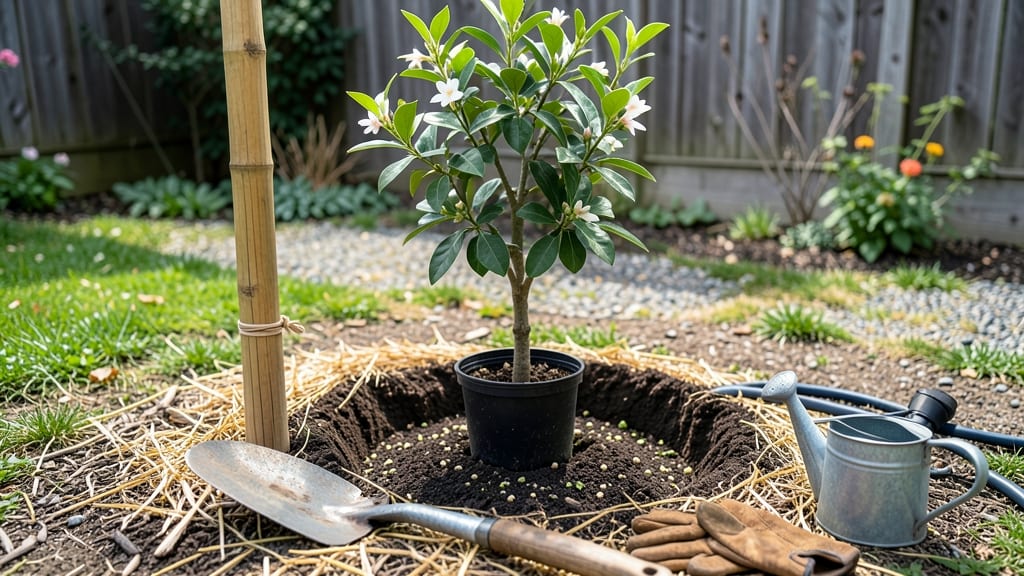
Timing your fruit tree planting in California could mean the difference between a thriving orchard and years of frustration.
The best time to plant fruit trees depends on where you live—whether you're in the coastal fog belt, the Central Valley's heat, or the desert's dry climate—but getting it right guarantees stronger roots and bigger harvests.
Most gardeners know spring is the prime window, but did you know citrus trees actually prefer late winter's milder soil? I’ll break down the exact months for each region, so you can avoid common mistakes that stunt growth or invite pests.
Whether you're planting avocados in LA or peaches in Fresno, these insights will help you pick the perfect moment.
Beyond just the calendar, soil temperature and rainfall play huge roles in root development. I’ll show you how to prep your planting site for maximum success, including when to water and how deep to bury those roots. Let’s make sure your fruit trees take off the right way.
Ready to grow healthier trees with fewer headaches? Stick around—I’ll walk you through everything from frost dates to soil prep, so you can confidently plant your fruit trees at the ideal time for your California zone.
California planting zones: optimal months by region for fruit tree success
California’s diverse climate means one planting window doesn’t fit all. Coastal areas like San Francisco have milder winters, while inland zones like Bakersfield face hot summers and frost risks. Understanding your USDA zone (8-11) and microclimate is key to timing your fruit tree planting for maximum root growth.
For most stone fruit trees (peaches, plums, cherries) and nut trees (almonds, walnuts), aim for late winter to early spring—typically February to April. This aligns with dormancy break and avoids summer heat stress. Meanwhile, citrus trees thrive when planted in late winter (January–March), before the heat peaks.
Here’s how to match your region to the best planting window:
California’s last frost dates vary wildly—coastal areas may see frost as late as December, while inland zones can drop below freezing into March. Use your local Cooperative Extension frost maps to refine your timing. For avocado trees, wait until soil temps hit 60°F+ to avoid root shock.
Pro tip: Bare-root trees (common in nurseries) should be planted in dormant season (winter/early spring), while container-grown trees offer more flexibility and can be planted year-round—just avoid peak summer heat (June–August) when roots struggle to establish.
If you’re in Southern California, citrus and olive trees can even handle fall planting (September–October), as long as you water deeply to combat dry soils. Just avoid planting when temps exceed 90°F, as young roots can bake in the heat.
For stone fruits, prioritize planting 6–8 weeks before your area’s last frost date. This gives roots time to establish before buds swell in spring. Check your local agricultural calendar—many counties (like Santa Barbara or San Diego) publish frost-free date forecasts annually.
Don’t overlook microclimates. A north-facing slope in Napa Valley might stay cooler longer than a south-facing yard in Sacramento**. Adjust your planting window by 2–4 weeks based on your specific terrain and sun exposure.
Finally, soil temperature matters more than air temperature. Use a soil thermometer to confirm your planting site is 50–60°F for most fruit trees. Citrus and subtropical varieties need warmer soils (60–70°F) to thrive.
Critical factors beyond months: soil, rainfall, and tree type timing
While knowing the month is key, the soil temperature and moisture levels often decide whether your fruit tree thrives or struggles. In California, soil that’s too cold can stunt root growth, while overly dry soil forces trees to work harder just to survive.
I’ve learned the hard way—planting citrus in frost-prone areas without checking soil temps led to root damage that took years to recover.
Most fruit trees need soil that’s at least 60°F (15°C) before planting. Use a soil thermometer to check—especially in cooler coastal zones like San Francisco, where spring can linger. For stone fruits like peaches or plums, wait until soil reaches 65°F (18°C) to avoid root rot from lingering moisture.
🌱 Pros & Cons of Planting by Soil Conditions
✅ DO This
- ✔️ Plant when soil is warm (60°F+ for citrus, 65°F+ for stone fruits)
- ✔️ Test soil moisture—avoid planting after heavy rains
- ✔️ Amend clay soil with compost for better drainage
- ✔️ Mulch heavily to retain moisture in dry climates
❌ Avoid This
- ✖️ Plant in cold, wet soil—roots suffocate and rot
- ✖️ Ignore soil pH—citrus needs 6.0-7.0, stone fruits 6.0-7.5
- ✖️ Skip root-pruning—bare-root trees need pre-plant trimming
- ✖️ Plant during drought—trees struggle without deep water access
Rainfall patterns also shift planting windows. In drought-prone areas like the Central Valley, I plant in late winter or early spring to take advantage of natural moisture before summer dryness sets in.
Meanwhile, in coastal regions with winter rains, like Santa Barbara, I delay until March or April to avoid waterlogged soil.
Tree type matters too. Citrus trees (like lemons or oranges) prefer late winter planting when soil is warm but frost isn’t a risk. Stone fruits (peaches, cherries) need dormant-season planting—late fall or early spring—to establish roots before bud break. Avocados, however, thrive when planted in spring or early summer once soil warms above 70°F (21°C).
Don’t overlook microclimates—a hilltop in Napa Valley might be 10°F warmer than the valley floor, changing your ideal planting window. I once planted a fig tree in a frost pocket and lost it within weeks.
Always scout your site for cold air drainage or heat pockets that could stress young trees.
Finally, container-grown trees have different needs than bare-root ones. They can plant year-round in mild climates, but I still check soil temps and water deeply for the first 30 days to help roots adjust.
For best results, match your tree’s native climate—Mediterranean varieties (like olives or pomegranates) do best when planted in California’s dry-summer zones.
Pro tip: Use a soil moisture sensor to track conditions. I’ve saved multiple trees by adjusting watering based on real-time data rather than guesswork. Your fruit trees will thank you with stronger growth and bigger harvests!