
Trees
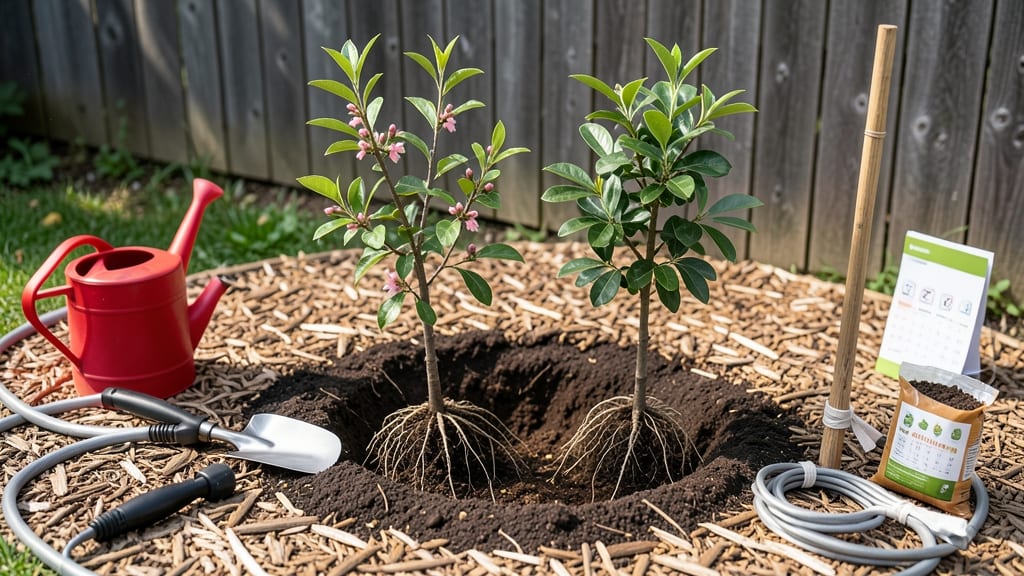
Timing your fruit tree planting in South Africa wrong could mean the difference between a bountiful harvest and years of frustration—especially when frost-sensitive varieties like peaches or nectarines are on the line. The country’s diverse climates, from frost-prone inland areas to subtropical coastlines, demand precision, not guesswork.
I’ve seen firsthand how a single misjudged month can stunt growth or even kill young trees before they take root. But here’s the good news: with the right knowledge, you can align your planting schedule with your region’s unique frost-free windows and chill-hour requirements.
Whether you’re in Cape Town’s Mediterranean climate or the cooler highlands of Johannesburg, the secrets to success are simpler than you think.
Let’s break down exactly when to plant different fruit varieties—from citrus that thrives in warmth to stone fruits that need winter chill—and how to prep your soil for maximum survival.
You’ll discover the optimal months for your area, plus pro tips to avoid common pitfalls that derail even the most eager gardeners.
Ready to turn your backyard into a productive orchard? By the end, you’ll know not just when to plant, but how to give your fruit trees the best possible start—no matter where you live in South Africa.
South Africa’s chill-hour zones: matching fruit trees to your climate
South Africa’s diverse climate means one planting time doesn’t fit all. The country spans three distinct chill-hour zones, each dictating which fruit trees thrive—and when to plant them.
For example, apples and pears need 500+ chill hours, while citrus and avocados prefer zero chill hours. Understanding your zone ensures your trees flower and fruit successfully.
In Zone 1 (high chill, e.g., Highlands), winter frost is common, so plant stone fruits like peaches in late winter (August-September) to avoid early frosts.
Meanwhile, Zone 3 (low chill, e.g., KwaZulu-Natal) allows planting subtropical trees like mangoes year-round, with peak success in spring (September-October) when rains begin. Zone 2 (moderate chill, e.g., Gauteng) is a hybrid—ideal for plums and apricots planted in early spring (August).
Your frost-free deadline is critical. In Cape Town (Zone 3), coastal areas rarely freeze, but inland spots like Worcester can hit -5°C. Plant citrus trees by mid-spring (October) to avoid unexpected cold snaps.
Conversely, Johannesburg’s frost pockets (Zone 2) demand planting stone fruits by late August to establish roots before winter.
| Zone | Chill Hours | Best Fruit Trees | Planting Window | Frost Risk |
|---|---|---|---|---|
| Zone 1 (High Chill) | 500+ hours | Apples, Pears, Plums | Late Winter (Aug-Sept) | High (May-July) |
| Zone 2 (Moderate Chill) | 200-500 hours | Peaches, Apricots, Nectarines | Early Spring (Aug) | Moderate (June-Aug) |
| Zone 3 (Low Chill) | 0-200 hours | Citrus, Avocados, Macadamias | Spring (Sept-Oct) | Low (Rare) |
If you’re in Zone 1 or 2, prioritize bare-root trees in late winter—they establish roots faster before spring growth. For Zone 3, container-grown trees planted in spring avoid transplant shock from summer heat.
Always check your local frost dates; the South African Weather Service provides regional alerts to guide your timing.
Microclimates add complexity. A sunny north-facing slope in Durban may be 5°C warmer than a valley, extending your planting window. Use frost cloth for early spring plantings in Zone 2 to protect young trees from unexpected cold snaps.
In Zone 3, avoid planting during summer rains—soil erosion risks damage roots.
For citrus trees, September-October is ideal in Zone 3 because warmer soil speeds root growth. In contrast, stone fruits in Zone 2 need August planting to break dormancy before blooming.
Test your soil’s drainage—citrus hates soggy roots, while apples thrive in well-drained, slightly acidic soil (pH 6-7).
Pro tip: Label your trees with their chill-hour needs and planting date. This helps track growth and adjust care. For example, a peach tree planted in September in Zone 2 should flower by November if it’s received enough chill hours.
If it doesn’t, it may need artificial chilling (e.g., refrigeration for 4-6 weeks) before planting.
Don’t overlook pollination. Many stone fruits need cross-pollination, so plant two compatible varieties (e.g., peach + nectarine) within 50 meters of each other.
In Zone 1, late winter planting ensures both trees flower at the same time. Citrus trees, however, are self-pollinating—plant a single tree in Zone 3 for simplicity.
Finally, mulch heavily after planting to retain moisture and insulate roots. In Zone 1, use straw mulch to protect against winter frosts, while Zone 3 benefits from wood chips to prevent soil drying during summer. Adjust your water
Optimal planting months by fruit type: avoiding frost and heat stress
South Africa’s diverse climate means planting fruit trees at the wrong time can spell disaster—especially for frost-sensitive varieties like peaches or heat-loving citrus that need precise timing. The key is understanding your region’s frost-free window and matching it to each fruit’s needs.
For example, stone fruits (peaches, plums, nectarines) need 300-600 chill hours to fruit well, while subtropical citrus (oranges, lemons) thrive in frost-free zones with consistent warmth. Coastal areas like Cape Town have longer growing seasons, while inland Johannesburg faces earlier frosts.
Here’s a quick guide to planting by fruit type, tailored to South Africa’s unique climate zones:
| Fruit Type | Best Planting Months | Key Considerations |
|---|---|---|
| Stone Fruits (Peaches, Plums, Nectarines) | August–September | Plant after last frost; needs chill hours for flowering. |
| Citrus (Oranges, Lemons, Grapefruits) | Spring (September–November) | Avoid winter; prefers frost-free soil. |
| Avocados & Macadamias | Spring (September–October) | Warm soil (20°C+) speeds root growth. |
| Apples & Pears | Winter (June–July) | Dormant planting reduces transplant shock. |
| Subtropical (Mangoes, Litchis) | Late Winter (August) | Coastal areas only; no frost tolerance. |
After planting, focus on soil moisture—especially in the first 3 months—to help roots establish. Mulch with organic matter to retain moisture and regulate soil temperature, which is critical in South Africa’s variable climates.
For coastal regions, extend the planting window slightly into early autumn (March–April) for heat-tolerant varieties like guavas or lychees. Just avoid planting citrus in winter—even a light frost can kill young trees.
Pro tip: Use drip irrigation for the first year to ensure consistent watering, especially during South Africa’s dry summers. 🌱