
Plants
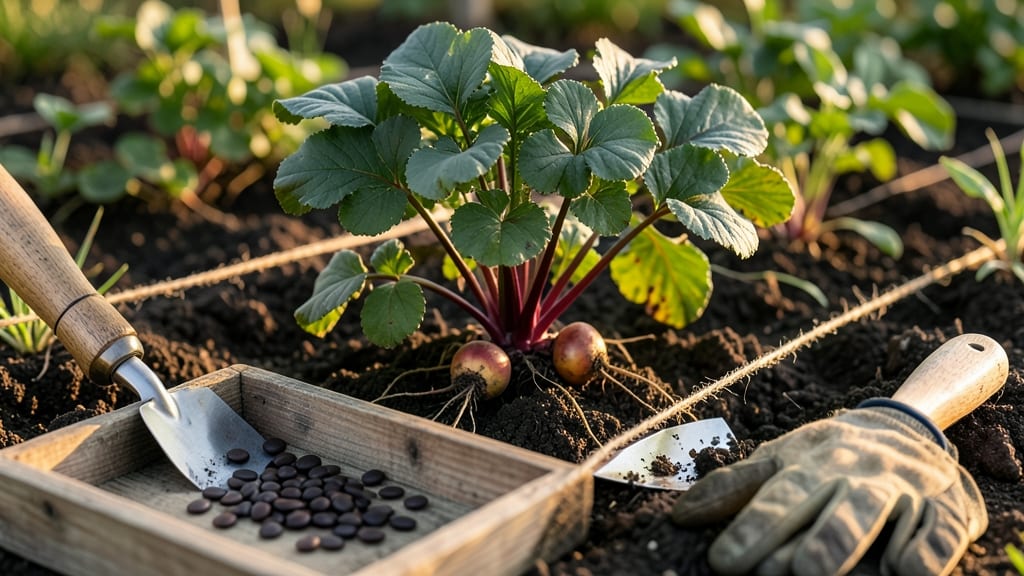
Timing your beet planting in Connecticut right could mean the difference between a bumper crop of sweet, tender roots and a sad, bolted mess.
Connecticut’s 6a zone gives you two prime windows—spring and fall—but getting it wrong means waiting months for harvests or watching your greens go to seed before summer heat sets in.
The key is planting between March 15 and April 15 for spring beets, when soil warms to 50°F and frost risk drops. Miss that window? Don’t panic—fall planting from September 1 to September 30 still delivers harvests by November, just in time for cozy meals.
I’ll show you exactly how to nail those dates, including tricks for coastal vs. inland microclimates where frost hits differently.
You might think beets are low-maintenance, but Connecticut’s unpredictable weather adds layers. Too early? Frost zaps tender sprouts. Too late? Bolting turns your beets bitter before you even harvest. The solution? Succession planting—short, staggered batches every 2 weeks—to stretch your harvest from June through October.
Let’s cut through the guesswork. Whether you’re a first-time gardener or a veteran with a 🍠 patch, I’ll walk you through the exact steps to plant beets when they’ll thrive—not just survive—in Connecticut’s climate. Ready to grow the fastest, sweetest beets your neighbors will envy?
Optimal beet planting dates in Connecticut based on frost risk
Connecticut’s spring frost dates vary dramatically from the coast to inland areas, so knowing your USDA Zone 6a specifics is key.
The average last frost date hovers around April 15, but coastal areas like New London may see frost-free conditions by April 1, while inland Hartford can linger until April 25.
Planting too early risks frost damage, while waiting too long means summer heat causes bolting (flowering instead of root growth).
For spring beets, aim to plant seeds 4-6 weeks before your last frost date. This gives them time to sprout before temperatures stabilize.
In Connecticut, that means starting seeds indoors by March 1 or directly sowing outdoors March 15-April 15. Soil temperature should be at least 50°F—use a soil thermometer to confirm.
Fall plantings offer a second chance for harvests. Beets thrive in cool September weather and can handle light frosts. Start seeds outdoors September 1-September 30, allowing 60-70 days to mature before the first frost (October 20).
Varieties like ‘Detroit Dark Red’ or ‘Golden’ are excellent choices for both seasons.
Here’s the critical timeline for Connecticut gardeners, broken down by region and season:
| Region | Spring Planting Window | Fall Planting Window | Soil Temp Requirement |
|---|---|---|---|
| Coastal (e.g., New London) | March 15 - April 1 | September 15 - October 1 | 50°F+ |
| Central (e.g., Hartford) | March 30 - April 15 | September 1 - September 20 | 50°F+ |
| Inland (e.g., Torrington) | April 1 - April 25 | August 20 - September 10 | 50°F+ |
If you’re unsure about your last frost date, check the Connecticut Agricultural Experiment Station’s frost maps or use a frost calendar from your local Cooperative Extension office. For example, Bridgeport typically sees its last frost by April 5, while Willimantic waits until April 20.
These differences can mean the difference between a thriving beet patch and a failed crop.
For succession planting, sow new seeds every 2 weeks from April through July to ensure a steady supply of fresh beets. This works especially well for baby beets, which mature in just 45-50 days.
In fall, a final planting in late August can yield roots before winter sets in.
Pro tip: Use a planting schedule app like Gardenate or Farmers’ Almanac to sync your beet planting with Connecticut’s moon phases and rainfall predictions. Aligning your planting with a waxing moon can boost root development, while avoiding planting during a full moon may reduce bolting risks.
Remember, beets are cool-season crops, so they’ll bolt (go to seed) if exposed to temperatures above 80°F for prolonged periods. By planting strategically, you can avoid this common pitfall and enjoy sweet, tender roots all season long.
Signs your beets are ready to plant (and what to do if you missed the window)
Before you rush to plant those beet seeds, check your soil temperature—it should stay above 45°F (7°C) for at least a week. Cold soil slows germination, leaving you with weak seedlings that struggle to establish.
Use a soil thermometer to test 2-3 inches deep in the morning. If it’s cooler, wait a few more days or use a black plastic mulch to warm it faster.
Another key sign is moisture consistency. Beets need well-drained but consistently moist soil. Press your finger into the soil—if the top 1 inch feels dry, water deeply before planting.
Overly wet soil can cause rotten seeds, while dry soil leads to poor germination. Aim for soil that crumbles slightly when squeezed, like a damp sponge.
🚨 CRITICAL CHECK: Look for weed-free conditions. Beets are slow starters, and weeds will outcompete them for nutrients. Clear the area of any broadleaf weeds or grass, then loosen the soil with a garden fork to a depth of 6-8 inches.
This gives roots room to grow without resistance.
🔴 WARNING: Late Planting Risks
Missed the spring window? Don’t panic—beets are resilient! Plant fast-maturing varieties like 'Detroit Dark Red' (50 days) or 'Babybeat' (45 days) for a summer harvest. For fall, aim for September 1-15 to avoid bolting before frost. If you’re truly late, try container gardening on a sunny patio—just ensure pots have drainage holes and use lightweight potting mix.
If your soil is ready but the weather forecast predicts unseasonable frost, protect your young seedlings with a row cover or cloche. These create a microclimate that’s 5-10°F warmer, buying you extra time.
Remove covers during the day to prevent overheating and ensure good airflow. For extra insurance, plant succession crops every 2 weeks from April through June—this spreads out your harvest and reduces risk.
Even if you’ve missed the ideal window, container growing is a lifesaver. Fill a 5-gallon pot with well-draining mix, plant seeds ½ inch deep, and place it in full sun.
Containers warm up faster than ground soil, so you can start 2-3 weeks later than traditional beds. Just remember: water consistently—containers dry out faster, and beets hate uneven moisture.
For a second-chance harvest, try shade cloth in late summer to protect beets from bolting (premature flowering). Stretch a 30% shade cloth over your bed to reduce heat stress, then remove it in the morning for sunlight.
This trick works especially well for fall plantings in September, giving roots time to mature before first frost.