
Plants
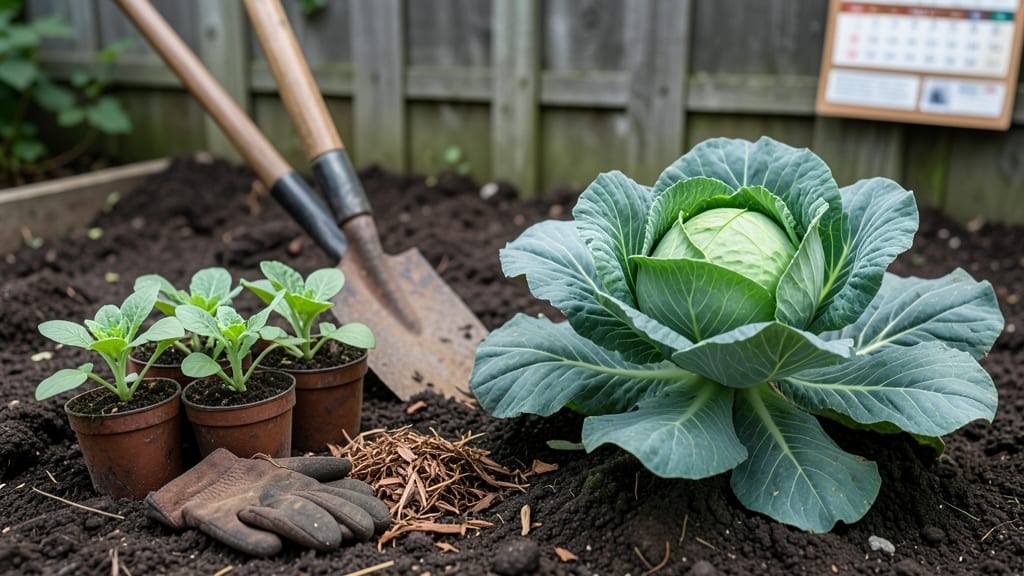
Knowing when to plant cabbage in Zone 5 can mean the difference between a bountiful harvest and bitter disappointment. That’s because cabbage 🥬 thrives on timing—get it wrong, and you’ll end up with plants that bolt before forming heads, leaving you with nothing but tough stems and wasted effort.
In Zone 5, where frost dates loom large, planting too early risks cold damage, while waiting too long can trigger bolting as temperatures rise. The key is working with your climate’s rhythm, whether you’re aiming for a spring harvest or a fall feast.
With the right strategy, you can stretch your growing season and enjoy fresh cabbage from summer through winter.
I’ll break down the exact planting windows—from early spring starts to late-summer sowings—that keep your cabbage happy and productive. Whether you’re a beginner or a seasoned gardener, these insights will help you avoid common mistakes and maximize your yield without the stress.
Ready to master the art of cabbage timing? Let’s dive into the frost-date cheat sheet that’ll have you harvesting crisp, flavorful heads all season long.

Zone 5 cabbage planting calendar: exact dates to avoid bolting
Mastering the Zone 5 cabbage planting calendar means avoiding the dreaded bolting—when your plants flower prematurely and turn bitter. The key? Planting at the right time relative to your last and first frost dates.
In Zone 5, that’s typically around May 15 for spring and October 1 for fall. Timing isn’t just about dates—it’s also about soil temperatures and variety maturity.
For spring cabbage, start seeds indoors 4-6 weeks before your last frost (around mid-March). Transplant seedlings outdoors 2-3 weeks before the last frost (early April). This gives your plants enough time to establish roots before the heat of summer triggers bolting.
If you’re direct sowing, wait until late April to early May when soil temperatures are consistently above 45°F (7°C).
Fall cabbage requires even more precision. To harvest before frost, plant 10-12 weeks before your first frost (around mid-July). Early varieties like ‘Golden Acre’ mature faster (60 days), while late varieties like ‘Hubbard’ take up to 100 days.
If you miss this window, consider cold-hardy varieties like ‘January King’, which can tolerate light frosts.
Here’s the visual breakdown of your Zone 5 cabbage planting timeline, including soil temperature thresholds and variety recommendations to keep your plants happy and bolting-free.
| Planting Window | Action | Soil Temp | Variety Recommendations |
|---|---|---|---|
| Spring (Early) | Start seeds indoors (March 15) | N/A (indoors) | ‘Early Jersey Wakefield’ (58 days) |
| Spring (Transplant) | Transplant outdoors (April 15) | 45°F+ (7°C+) | ‘Golden Acre’ (60 days) |
| Spring (Direct Sow) | Direct sow (May 1) | 50°F+ (10°C+) | ‘Red Express’ (70 days) |
| Fall (Early) | Start seeds indoors (July 1) | N/A (indoors) | ‘January King’ (100 days) |
| Fall (Transplant) | Transplant outdoors (August 1) | 55°F+ (13°C+) | ‘Hubbard’ (90 days) |
Pro tip: Use black plastic mulch to warm soil faster in early spring or row covers to protect young plants from late frosts. This gives you a 2-3 week buffer to adjust planting dates if your spring arrives late or your fall cools early.
If you’re in the northern part of Zone 5 (like Minneapolis), aim for earlier dates (e.g., transplant by April 10). In the southern part (like Louisville), you can push dates back to mid-April.
Always check your local Almanac frost dates—they can vary by 1-2 weeks even within the same zone.
One common mistake? Planting late spring cabbage (after June 1) without shade cloth. Heat stress causes bolting, so if you miss the spring window, focus on fall plantings instead. The same rule applies to summer sowing—only attempt it with shade-tolerant varieties like ‘Cavalo’.
For succession planting, stagger your sowings every 2 weeks in spring and every 3 weeks in fall. This ensures a continuous harvest and reduces the risk of bolting from uneven maturity. Just remember: cabbage hates heat, so avoid planting when daytime temps exceed 80°F (27°C).
Finally, keep an eye on your moon phases for transplanting—root crops like cabbage thrive when planted during the rooting phase (last quarter moon). Pair this with your frost-date calendar, and you’ll have bolting-free cabbage all season long.
5 Proven strategies to extend your cabbage season in Zone 5
Zone 5’s short growing season means cabbage bolting is always lurking. But with the right strategies, you can push your harvest windows earlier and later—without risking bitter, seed-filled heads. Here’s how to outsmart the frost and heat with 5 battle-tested tactics that work for both beginners and seasoned growers.
First, succession planting is your secret weapon. Instead of one big spring planting, space out sowings every 2 weeks from mid-April through early June. This ensures a steady supply of fresh heads while staggering maturity dates to avoid overwhelming bolting risks during heatwaves.
For fall, repeat the process in July and August—just time it so your last batch matures before frost.
Next, cold-hardy varieties like ‘January King’ or ‘Winterbor’ can survive light frosts and extend harvests into November. These varieties tolerate 20°F temperatures and keep forming heads even when other cabbages bolt.
Pair them with row covers (like Reemay fabric) to shield young plants from late spring frosts or early fall chills—just remove covers when temps rise above 70°F to prevent overheating.
- ✅ Succession Planting: Sow every 2 weeks from April-June (spring) and July-August (fall) for staggered harvests.
- ✅ Cold-Hardy Varieties: Choose ‘January King’ or ‘Winterbor’ for harvests into November.
- ✅ Row Covers: Use frost blankets until soil warms to 70°F to delay bolting.
- ✅ Soil Warming: Black plastic mulch raises soil temps by 5-10°F, speeding up early spring growth.
- ✅ Shade Cloth: 30-50% shade in summer prevents heat stress and bolting during July-August.
For early starts, soil warming is a game-changer. Lay down black plastic mulch 2 weeks before planting to raise soil temperatures by 5–10°F. This jumpstarts germination and growth, letting you plant 2–3 weeks earlier than the frost date without risking cold damage.
Just remove the mulch once seedlings emerge to prevent overheating.
When summer heat arrives, shade cloth becomes your best friend. A 30–50% shade cloth draped over plants during the hottest months (July–August) keeps soil temps down and prevents bolting. Water deeply in the early morning to cool the roots, and avoid overhead watering at night to reduce fungal risks.
This combo buys you 4–6 extra weeks of harvestable heads before fall frosts hit.
Finally, harvest timing is everything. Don’t wait for heads to reach full size—pull smaller, tighter heads in late summer to avoid splitting or bolting. For fall, prioritize red and purple varieties like ‘Red Express’; their deeper pigments signal maturity and cold tolerance.
With these strategies, you’ll turn Zone 5’s short season into a year-round cabbage bonanza—no bolting in sight!