
Plants
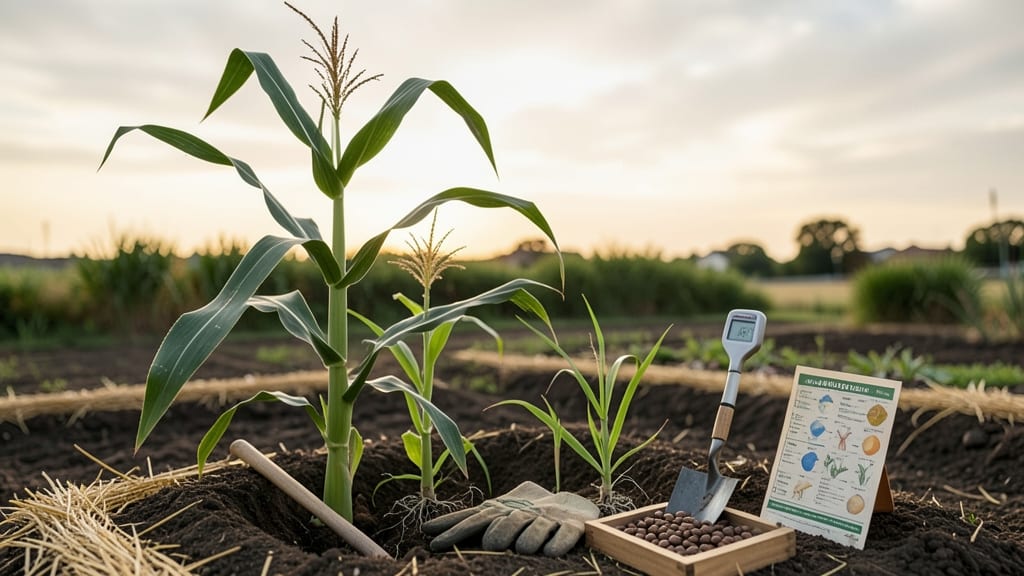
Timing your corn planting just right in Canada is the secret to going from scraggly stalks to a towering 🌽 harvest that feeds your family all summer. Get it wrong, and you’ll be left with stunted plants or waiting until next year—no one wants that!
With Canada’s 3a-7b zones stretching from frost-prone Alberta to milder Ontario, there’s no one-size-fits-all answer. But here’s the good news: by following zone-specific deadlines and soil temperature rules, you can turn your garden into a cornfield goldmine. I’ll show you exactly when to plant in your region—no guesswork needed.
Whether you’re in Zone 3 where frost lingers late or Zone 6 with longer growing seasons, knowing the ideal window (usually May-June) makes all the difference. We’ll also cover how to extend your season for late varieties and avoid common mistakes that leave gardeners scratching their heads.
Ready to grow corn that reaches for the sky? Let’s dive into the zone-by-zone planting schedule that’ll have your neighbors asking for your secrets.
Canada’s corn planting zones: when to start seeds indoors vs. direct sowing
Timing your corn planting in Canada is all about understanding your USDA Hardiness Zone and local frost patterns. Corn is a warm-season crop that needs consistent soil temperatures above 10°C (50°F) to germinate.
In colder zones like Zone 3, you’ll need to start seeds indoors or use short-season varieties, while warmer zones like Zone 6 can direct-sow later in the spring. The key is planting after your last frost date—a critical window that varies by region.
For example, in Southern Ontario (Zone 5-6), gardeners typically aim for mid-May to early June planting, while in Alberta (Zone 3-4), seeds often go in the ground no earlier than late May to early June.
Missing this window risks frost damage or stunted growth, so always check your local frost-free date and adjust accordingly. I’ve planted corn for years in Zone 4, and trust me—getting the timing right is non-negotiable for those towering stalks!
🌽 Canada’s Corn Planting Zones: Key Deadlines
| Zone | Last Frost Date | Direct Sow Window | Indoor Start (if needed) | Soil Temp Requirement |
|---|---|---|---|---|
| Zone 3 (e.g., Northern Alberta) | May 15 | Late May - Early June | Start indoors 4-6 weeks before last frost | 10°C (50°F) minimum |
| Zone 4 (e.g., Southern Alberta, Manitoba) | May 1 | Mid-May - Late May | Start indoors 3-4 weeks before last frost | 10°C (50°F) minimum |
| Zone 5 (e.g., Southern Ontario, Saskatchewan) | April 15 | Early May - Mid-May | Direct sow only | 10°C (50°F) minimum |
| Zone 6 (e.g., Southern Ontario, Quebec) | April 1 | Late April - Early May | Direct sow only | 10°C (50°F) minimum |
| Zone 7 (e.g., Southern BC, Nova Scotia) | March 15 | Early April - Mid-May | Direct sow only | 10°C (50°F) minimum |
If you’re in Zones 3 or 4, starting seeds indoors is often the best strategy. I recommend using biodegradable pots and transplanting seedlings outdoors once they’ve developed 2-3 true leaves and soil temperatures are consistently above 10°C (50°F). For Zones 5-7, direct sowing works perfectly—just
Another pro tip: Use a soil thermometer to confirm your soil is warm enough. Corn seeds won’t germinate in cold soil, and waiting for the right temperature saves you from wasted effort. I’ve seen gardeners in Zone 4 rush planting only to have their seeds rot in cool soil—don’t make that mistake!
For gardeners in shorter-season zones (3-4), consider using row covers or black plastic mulch to warm the soil faster and extend the growing season. This can shave off critical weeks and help your corn mature before the first frost.
I’ve used row covers in Zone 3 to push my planting window back by 2-3 weeks, making all the difference for late-season varieties.
One common mistake is planting corn too early, even if the soil feels warm. Always wait until the nighttime temperatures stay above 10°C (50°F) consistently. Early planting can lead to poor germination or weak seedlings that struggle to recover.
I learned this the hard way in my first year—my corn took forever to sprout because I planted too soon!
Finally, remember that corn needs a long, uninterrupted growing season
Zone-specific corn varieties and their ideal planting deadlines
Canada’s diverse climate means your corn’s success hinges on choosing the right variety and planting it at the perfect time. In Zone 3 (Alberta, Saskatchewan), opt for early-maturing hybrids like ‘Early Sunglow’ (60 days), planting between May 15–June 1 when soil hits 10°C (50°F).
Meanwhile, Zone 6 (Ontario, Quebec) gardeners can grow sweet corn like ‘Ambrosia’ (80 days) from May 1–May 15, giving it a longer season.
For Zone 4 (Manitoba, Nova Scotia), mid-season varieties such as ‘Silver Queen’ (75 days) thrive when sown May 10–25. In Zone 5 (British Columbia, parts of Ontario), you can push the envelope with ‘Peaches and Cream’ (90 days), planting April 25–May 10 if frost risk is minimal.
Always check your last frost date—planting too early risks frost damage, while waiting too long cuts harvest time.
Here’s how to match your region to the best corn varieties and their ideal planting windows:
| Zone | Best Varieties | Planting Window | Days to Maturity |
|---|---|---|---|
| 3 | Early Sunglow, Golden Bantam | May 15–June 1 | 60–70 days |
| 4 | Silver Queen, Country Gentleman | May 10–25 | 75–85 days |
| 5 | Peaches and Cream, Honey & Pearl | April 25–May 10 | 85–95 days |
| 6 | Ambrosia, Bodacious | May 1–15 | 90–100 days |
Pro tip: Use black plastic mulch in cooler zones to warm soil faster and extend the growing season. For Zone 3, even a 2-week head start indoors (under grow lights) can make a difference.
Always space seeds 1 inch deep and 4 inches apart—crowding stresses plants and reduces yields.
If you’re in Zone 7 (southern BC, parts of Ontario), you can experiment with two plantings: one in early May for summer harvests and another in late June for fall corn.
Just ensure your second batch matures before the first frost. For all zones, monitor soil moisture—corn needs 1–2 inches of water weekly, especially during tasseling (when pollen forms).
Remember, corn is wind-pollinated, so plant at least 4 rows (or a block) to ensure cross-pollination. In windy regions like the Prairies, consider windbreaks to protect young plants.
With the right variety and timing, you’ll be feasting on homegrown corn by mid-summer—no matter where you garden in Canada! 🌾