
Plants
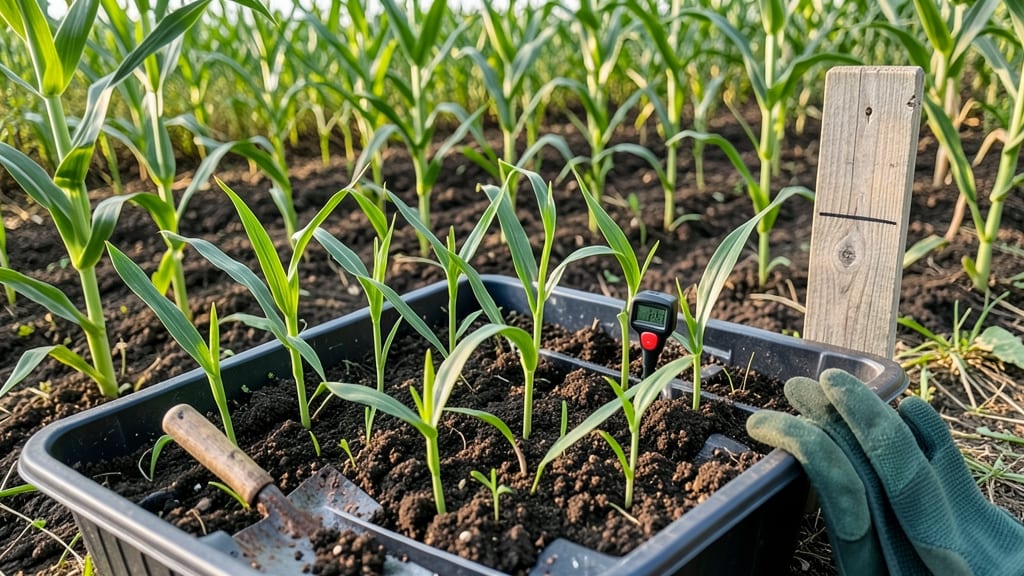
When to plant corn in Zone 5 isn’t just about the calendar—it’s about catching that sweet spot between frost risk and soil warmth that 🌽 seeds crave. Get it wrong, and you’ll either wait forever for germination or watch your tender seedlings freeze before they even sprout.
Zone 5’s short growing season demands precision, but the real secret lies in soil temperature. Corn won’t germinate reliably until the ground hits 50–60°F, which typically means waiting until mid-April to mid-May—after the last frost. Rushing it? You’re gambling with your harvest.
Here’s what I’ve learned from years of trial and error: timing isn’t just about dates—it’s about reading your soil. We’ll cover how to test warmth without fancy tools, adjust for your sub-zone’s quirks, and even squeeze in a second planting for late-season sweet corn.
Ready to turn your Zone 5 garden into a cornucopia? Let’s dive into the exact steps to plant corn at the perfect moment—so you’re feasting on ears by late July, not staring at empty rows.

Zone 5 corn planting timeline: when soil warmth signals success
Zone 5 gardeners face a critical challenge: corn seeds need soil temperatures between 50-60°F just to germinate, and ideal growth occurs at 60-85°F. Planting too early risks stunted growth or no emergence at all, while waiting too long cuts your harvest window short.
The key is aligning your planting schedule with soil warmth, not just calendar dates.
Most of Zone 5 experiences its last spring frost between April 15-30, but soil warms more slowly than air temperatures.
In northern Zone 5 (e.g., Minnesota, Wisconsin), you may need to wait until mid-May for reliable germination, while southern areas (e.g., Missouri, Ohio) can plant as early as late April. Always verify your local frost-free date—your county extension office has precise data.
Here’s the golden window for Zone 5 corn planting: 2-4 weeks after your last frost date. This timing ensures soil has warmed sufficiently while leaving enough time for a 90-120 day harvest before fall frosts arrive.
For example, if your last frost is May 1, aim to plant by May 15-22.
🌱
| Stage | Zone 5 Timeline | Soil Temp | Action |
|---|---|---|---|
| Pre-Planting | Late March - Early April | 40-50°F | Test soil warmth; prepare beds |
| Ideal Planting | Mid-April - Mid-May | 50-60°F (min) | Sow seeds 1-1.5" deep |
| Germination | 7-14 days | 50-60°F | Keep soil moist; protect from frost |
| Active Growth | May - July | 60-85°F | Water deeply; fertilize |
| Harvest | Late July - September | N/A | Pick when silks brown |
Testing soil warmth is easier than you think. Press your hand into the soil—if it feels warm to the touch (like a cozy bath), it’s ready. For precision, use a soil thermometer ($10 at garden centers) and check at 4-inch depth in the morning.
If readings are below 50°F, delay planting or use black plastic mulch to warm the soil faster.
Zone 5’s northern sub-zones (5a) have shorter growing seasons, so prioritize early-maturing varieties like ‘Early Sunglow’ (65 days) or ‘Kandy Korn’ (70 days). In southern sub-zones (5b), you can stretch to 110-day varieties like ‘Country Gentleman’ for larger ears.
Always check seed packets for days to maturity and count backward from your first frost date.
Pro tip: Plant in blocks, not rows. Corn is wind-pollinated, and planting in 4x4 or 5x5 foot squares ensures better cross-pollination. For example, a 4-foot block uses just 16 seeds but yields more than a 16-foot row.
This also makes succession planting easier—just add another block 2 weeks later for a staggered harvest.
🌾
Remember, Zone 5’s short growing season demands efficiency. If you miss the spring window, don’t despair—you can try a late summer planting (early July) with fast-maturing varieties like ‘Golden Bantam’ (60 days). Just be prepared to harvest before frost, typically by mid-September in most of Zone 5.
Zone 5 corn planting timeline: when soil warmth signals success
In Zone 5, corn seeds need consistent soil temperatures between 50-60°F to germinate and 60-85°F for vigorous growth. Planting too early risks stunted seedlings or no germination at all, while waiting too long cuts your harvest window short.
Your ideal planting window spans mid-April to mid-May, but the key trigger isn’t the calendar—it’s soil warmth. Corn seeds won’t sprout until the ground reaches 50°F at 1-inch depth.
In northern Zone 5, this often means waiting until after Mother’s Day, while southern areas may start as early as late April.
| Stage | Action | Zone 5 Timing |
|---|---|---|
| Soil Warmth Check | Test 1-inch deep soil with a thermometer | ≥50°F (northern Zone 5) or ≥55°F (southern Zone 5) |
| Planting Window | Sow seeds 1-1.5" deep | Mid-April (south) to mid-May (north) |
| Germination | Expect sprouts in 7-14 days | Only if soil stays ≥50°F consistently |
| Last Frost Risk | Avoid planting before average last frost | Mid-May (northern Zone 5) |
Use the back-of-your-hand test if you lack a soil thermometer: Press your hand into the soil for 5 seconds. If it feels warm but not hot (like a fresh cup of tea), it’s ready. For faster warming, lay down black plastic mulch 1-2 weeks before planting.
Corn’s 60-120 day maturity range means late plantings risk early fall frosts (Zone 5’s first frost hits mid-October). For a reliable harvest, prioritize early-maturing varieties like ‘Early Sunglow’ (65 days) over ‘Country Gentleman’ (110 days) unless you’re in southern Zone 5.
Pro tip: Plant in blocks, not rows, to improve pollination. Space seeds 4-6 inches apart with 30-inch rows, and thin seedlings to 12 inches apart once they’re 6 inches tall. This creates a dense planting that boosts cross-pollination and ear production.
Remember: Soil temperature matters more than air temperature. Even if daytime highs reach 70°F, if your soil is still chilly at dawn, your seeds will linger in the dirt. Use a soil thermometer for accuracy—it’s the best way to avoid costly mistakes in Zone 5’s fickle spring.