
Plants
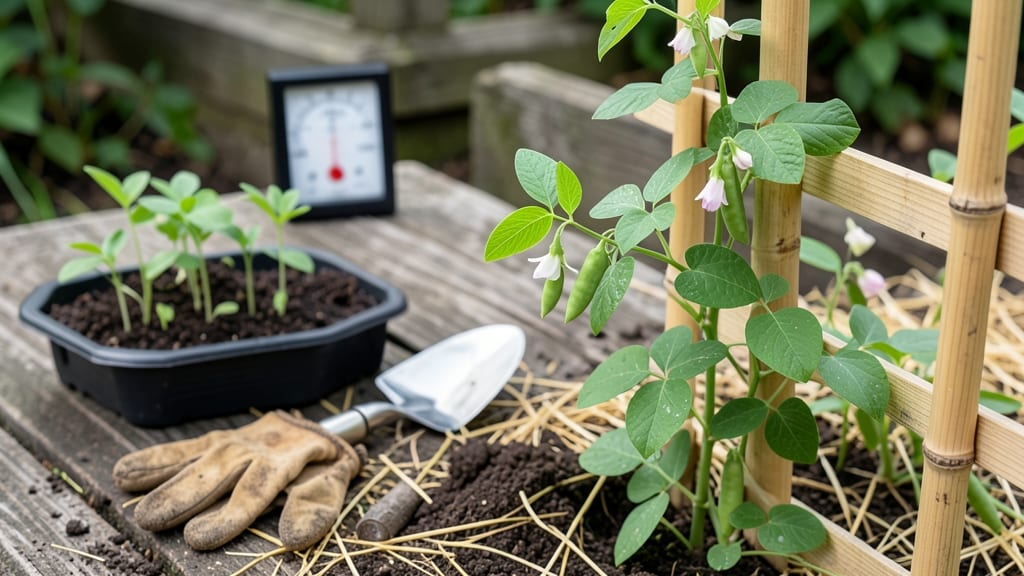
Timing your English Pea 🌱 planting in Alabama can mean the difference between sweet, tender pods and bitter, bolted plants that never reach their full potential. If you plant too early, frost will nip your seedlings in the bud, while planting too late risks heat stress that sends your peas straight to flowering mode before you even get a harvest.
Most Alabama gardeners know the spring window (February-March) is ideal, but did you know fall planting (September-October) often yields just as well? The key lies in soil temperatures staying between 35°F and 75°F—any hotter, and your peas will bolt, any colder, and growth stalls.
Let me show you exactly when to plant for zero bolt risk in your specific zone.
We’ll cover the perfect planting deadlines for both seasons, how to prep your soil for maximum yield, and which varieties thrive in Alabama’s climate.
Whether you’re a first-time gardener or a seasoned green thumb, these tips will help you avoid common mistakes and enjoy a bountiful harvest from May to December.
Ready to grow peas that taste like childhood memories? Let’s get started with the step-by-step guide to planting English peas at the perfect time—no guesswork, just delicious results.
Alabama’s ideal planting windows for English peas (avoiding bolting & heat stress)
Alabama’s cool-season climate makes English peas a fantastic crop, but timing is critical. Plant too early, and frost will damage seedlings. Plant too late, and heat stress triggers bolting—when plants flower prematurely, producing tough, bitter peas.
The sweet spot? 4-6 weeks before your last frost date in spring, and again in fall for a second harvest.
For most of Alabama (USDA zones 7b-8b), your last frost date falls between mid-March (North Alabama) and early April (South Alabama). Aim to plant English peas between late February and early March for spring harvests.
In fall, sow seeds 8-10 weeks before your first frost (typically late September to early October), ensuring peas mature before cold sets in.
Here’s the key: Soil temperatures should stay between 35°F and 75°F for optimal germination and growth. If temps climb above 80°F, peas will bolt quickly, ruining your crop. That’s why summer planting is a no-go—even shade won’t save them from Alabama’s humid heat.
If you’re unsure about your last frost date, check the Alabama Extension Service or local weather reports. For example, Huntsville (North Alabama) typically sees its last frost around March 15, while Mobile (South Alabama) averages March 1.
Planting 6 weeks before these dates gives peas enough time to mature before summer heat arrives.
For fall planting, focus on September sowings. Peas need 60-70 days to mature, so aim to harvest before first frost. In South Alabama, you might squeeze in a late fall crop by planting as late as October 1, but monitor temps closely—peas won’t tolerate freezing.
Choose dwarf or semi-dwarf varieties like ‘Sugar Snap’ or ‘Green Arrow’ for Alabama’s climate. These types handle heat slightly better than tall varieties and are less prone to lodging (falling over) in humid conditions. Pair them with a trellis to save space and improve airflow, reducing disease risk.
One more tip: Soil prep is non-negotiable. Peas thrive in well-draining, slightly acidic soil (pH 6.0-7.5). Work in compost or aged manure before planting to boost fertility. Avoid fresh manure—it can burn delicate roots and attract pests like pea weevils.
By nailing your planting window and paying attention to soil temps, you’ll avoid the two biggest pitfalls for Alabama gardeners: bolting and poor germination. With the right timing, you’ll enjoy sweet, tender peas straight from your garden—no bitterness in sight! 🌿
Alabama’s ideal planting windows for English peas (avoiding bolting & heat stress)
English peas thrive in Alabama’s mild winters and cool springs, but timing is critical to avoid bolting (premature flowering) or heat stress. The key is planting when soil temperatures stay between 35°F and 75°F—any hotter, and your peas will bolt or produce bitter pods.
Alabama’s USDA Zones 7b-8b mean your exact deadlines depend on whether you’re in North or South Alabama, but these guidelines cover both.
For spring planting, aim for 4-6 weeks before your last frost date. In North Alabama (e.g., Huntsville), that’s typically late February to early March. In South Alabama (e.g., Mobile), wait until mid-March to avoid early heat waves.
Fall planting works too—sow late September to early October for a second harvest before winter sets in.
Here’s the critical window to avoid: Never plant peas when daytime temps exceed 80°F. Summer heat forces peas to bolt, turning sweet pods into tough, stringy messes. Instead, let them rest during summer and focus on cool-season crops like lettuce or spinach.
Pro tip: Use Alabama Extension’s frost date map to pinpoint your exact last frost date. For example, Birmingham’s average last frost is March 15, while Dothan’s is March 25. Planting 6 weeks before these dates gives peas enough time to mature before summer heat arrives.
If you’re unsure about your local climate, opt for early-maturing varieties like ‘Little Marvel’ (55 days) or ‘Sugar Snap’ (60 days). These handle Alabama’s unpredictable springs better than slower varieties. For fall, ‘Green Arrow’ (60 days) is a reliable choice.
Remember: Peas hate heat, so if your spring planting stretches into May, switch to fall peas instead. The cooler temps of September-October will give you the sweet, tender pods you crave—without the bitterness of summer stress. 🌱