
Companion Plants
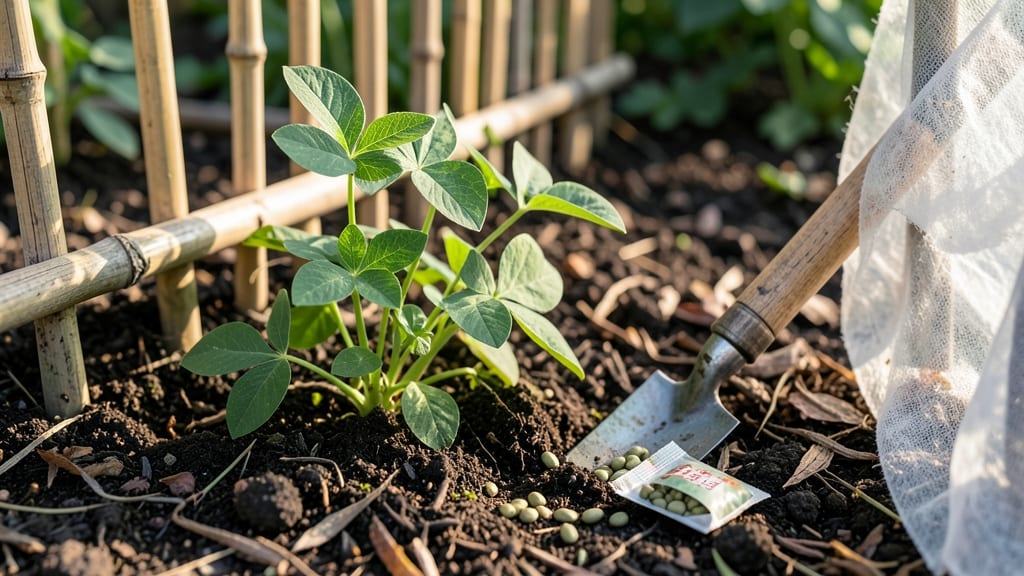
Timing your pea planting in Zone 5 can mean the difference between a bountiful harvest and wasted seeds—especially when those cool spring days turn unpredictable. The key is planting your 🌱 peas 4-6 weeks before your last frost date, giving them time to thrive before summer heat arrives.
Most gardeners in Zone 5a-5b start sowing peas in early March, but if you're eager to get a head start, late February works too—just be prepared to protect young plants from late frosts.
The secret lies in soil temperatures between 40-50°F, which is perfect for pea germination without risking frost damage.
You don’t have to stop there! With succession planting, you can extend your harvest by sowing another batch in late summer (August-September). This ensures fresh peas from spring through fall, even in Zone 5’s short growing season.
Whether you're planting in-ground or containers, I’ll walk you through the exact steps to maximize your yield—no more guessing, just sweet, crisp peas all season long.

Zone 5 pea planting calendar: exact weeks before last frost for peak yields
Peas are cool-season champions in Zone 5, but their planting window is narrow—get it wrong, and you’ll miss sweet harvests. The key is timing seeds 4-6 weeks before your last frost date, when soil temps hit 40-50°F.
In most of Zone 5, that’s late March to early April, but your exact date depends on microclimates like elevation or wind exposure.
For Zone 5a (colder), aim for March 15-April 1 to avoid late frosts. In Zone 5b (warmer), you can push it to April 1-April 15. Always check your average last frost date—Almanac’s frost calculator is my go-to tool for local precision.
Don’t overlook fall planting either! For a second harvest, sow 8-10 weeks before your first frost (usually August 15-September 15). Fall peas thrive in cooler temps and often produce sweeter pods than spring plantings.
Soil temperature is critical—peas won’t germinate below 40°F. Use a soil thermometer to confirm readiness. If temps are too cold, wait or use black plastic mulch to warm the soil faster.
🌱 Zone 5 Pea Planting Timeline
| Stage | Action | Notes |
|---|---|---|
| Early Spring | Sow seeds 4-6 weeks before last frost | Soil temp: 40-50°F |
| Late Spring | Harvest begins 60-75 days after planting | Peak yield: June-July |
| Late Summer | Sow for fall harvest 8-10 weeks before first frost | Avoid planting too late—pods won’t mature |
| Fall | Harvest before hard frost | Sweetest pods often come from fall plantings |
📅 Pro Tip: Mark your calendar 6 weeks before last frost—peas need consistent cool temps to thrive.
If your last frost date is unpredictable (like in Zone 5’s variable climates), use row covers to protect seedlings. These lightweight fabrics raise soil temps by 5-8°F and shield plants from late frosts or windburn. I’ve had great success with floating row covers in early spring.
For container gardening, plant peas 2-3 weeks earlier than in-ground—containers warm up faster. Choose dwarf varieties like ‘Little Marvel’ (18” tall) to maximize space. Just ensure containers have drainage holes to prevent root rot in Zone 5’s damp springs.
Watch for soil moisture after planting—peas need consistent dampness to germinate. Water gently but thoroughly, aiming for 1-2 inches per week. Let the top inch of soil dry between waterings to prevent fungal diseases like powdery mildew.
Once peas are established, they’re drought-tolerant but produce better with regular watering. Mulch with straw or grass clippings to retain moisture and suppress weeds. I’ve seen 30% larger yields in mulched beds compared to bare soil.
Timing your second planting is just as critical. For fall peas, aim to harvest before hard frosts (below 25°F). If your first frost hits early, opt for sugar snap or snow peas, which mature faster than shelling peas.
Zone 5 pea planting calendar: exact weeks before last frost for peak yields
In Zone 5, your pea planting window starts 4-6 weeks before your last frost date, which typically falls around mid-May. This means you can begin sowing peas as early as early March for a spring harvest, or again in late August for a fall crop.
The key is ensuring soil temperatures stay between 40-50°F—peas germinate best in cool, damp soil but can’t handle freezing temperatures.
If you’re eager to get a jumpstart, you can even plant peas in late February under row covers or in a cold frame. Just be prepared to protect them from late frosts, which are common in Zone 5.
The goal is to have peas flowering and producing pods by late May, before the heat of summer sets in and causes them to bolt or become bitter.
Here’s a quick breakdown of your Zone 5 pea planting timeline to maximize yields:
| Stage | Action | Notes |
|---|---|---|
| Soil Prep | Test soil pH (aim for 6.0-7.0) | Add compost for fertility |
| Early Planting | Sow seeds 4-6 weeks before last frost (early March) | Use row covers for frost protection |
| Succession Planting | Sow every 2-3 weeks until mid-April | Extend harvest window |
| Fall Planting | Sow late August-early September | Harvest before first frost (mid-October) |
| Harvest | Pick pods when 2-3 inches long | Harvest every 2-3 days for continuous production |
For container gardening, you can plant peas in deep pots (12+ inches) or hanging baskets, but ensure they have trellis support since peas need vertical space to climb.
Containers warm up faster than in-ground soil, so you might need to delay planting by 1-2 weeks to avoid overheating the roots.
If your last frost date is later than mid-May (common in Zone 5b), adjust your planting window accordingly. For example, if frost typically arrives in early June, start sowing in late March instead.
Always check your local almanac or weather service for the most accurate frost dates in your specific area.
Pro tip: Plant peas near corn or cucumbers for natural trellising, or use bamboo stakes to keep vines off the ground. This improves airflow, reducing the risk of fungal diseases like powdery mildew.