
Plants
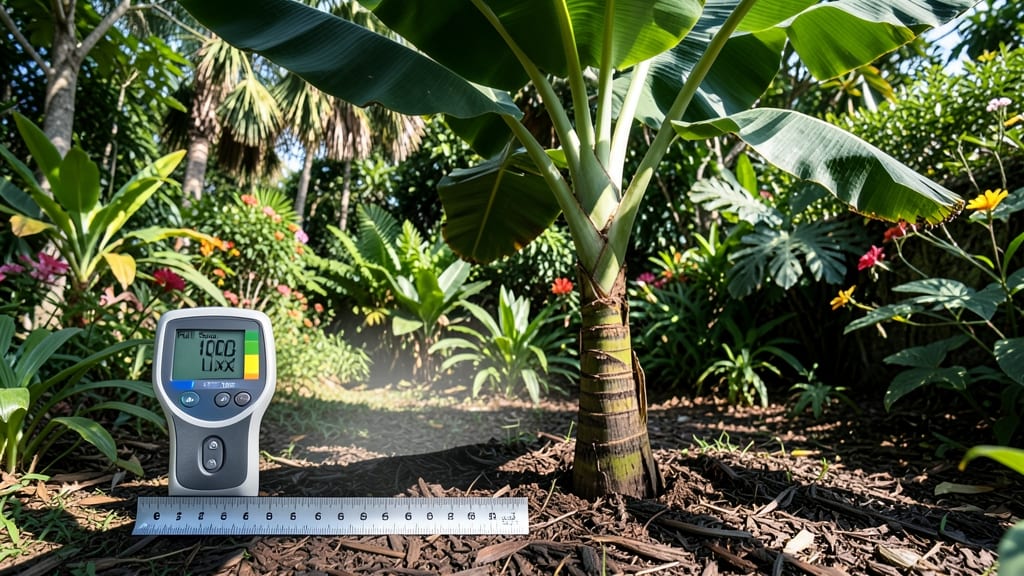
If you’ve ever wondered how much light a banana plant needs to thrive despite your best efforts, the answer might be hiding in plain sight—light.
These tropical giants need just the right amount of sunlight to thrive, and getting it wrong can mean the difference between a lush, productive plant and one that’s struggling to stay upright.
Here’s the thing: banana plants love sunlight, but they’re not fans of scorching midday rays. In Zone 6a (default for unspecified location), they crave 6 to 8 hours of bright, indirect light daily, whether you’re growing them outdoors in spring or indoors near a south-facing window.
Too little light, and your plant will stretch awkwardly toward the nearest glow; too much, and those broad leaves will start to crisp at the edges.
But don’t worry—balancing their light needs isn’t as tricky as it sounds. I’ll walk you through how to spot the signs of over- or under-exposure, plus practical tips for adjusting light in both indoor and outdoor setups.
Whether you’re dealing with a sunny patio or a dim corner, we’ll get your banana plant basking in the perfect glow.
Ready to turn your leafy friend into a thriving tropical star? Let’s dive into the sunlight secrets that’ll have your 🍌 banana plant reaching for the sky—without the stress.

Ideal sunlight hours for banana plants: outdoor vs indoor requirements
Banana plants (Musa spp.) thrive in bright, direct sunlight, but their needs shift dramatically between outdoor tropical gardens and indoor containers. In their native habitats, they bask under 6–10 hours of full sun daily.
However, in temperate zones or indoors, you’ll need to adjust for shorter days, weaker light intensity, and seasonal changes. Here’s the exact breakdown to keep your banana plant lush and productive.
Outdoor banana plants in USDA Zones 10–12 (tropical climates) can handle full sun exposure (6+ hours), but even here, afternoon shade prevents leaf scorch during peak heat. In Zones 6–9, aim for 4–6 hours of morning sun paired with dappled shade to avoid stress.
The key? Morning sunlight builds energy, while afternoon shade prevents burnout.
Indoor banana plants face a tougher challenge. A south-facing window provides the closest match to outdoor conditions, delivering 4–6 hours of direct light. East or west windows offer 3–4 hours, while north-facing spots deliver only indirect light—barely enough for survival.
Without adjustments, indoor plants grow tall, leggy, and fruitless. Here’s how to bridge the gap:
One common misconception is that **banana plants need only direct sun. In reality, filtered or dappled light works better in hot climates, where intense midday rays can cause leaf scorch (brown, crispy edges).
If you notice these signs, move your plant to a slightly shadier spot for a few weeks to recover. Conversely, leggy growth with pale leaves signals light deprivation—a clear cue to boost brightness or introduce grow lights.
Seasonal shifts also demand attention. In summer, banana plants in Zones 6–9 may need afternoon shade to prevent heat stress, while winter calls for supplemental grow lights to maintain 12–14 hours of light indoors. Without this, your plant’s growth stalls, and flower buds fail to form.
Pro tip: Rotate your plant weekly to ensure even light exposure—banana leaves grow toward the brightest source, leading to lopsided growth if neglected.
For container-grown banana plants, light needs intensify because pots dry out faster and roots compete for nutrients. Place containers near the brightest window or under grow lights to compensate.
If you’re growing in a greenhouse, ensure ventilation to prevent heat buildup, which can mimic sunburn even without direct rays. A fan or shade cloth keeps temperatures in the ideal 75–85°F range for photosynthesis.
Dwarf banana varieties like ‘Dwarf Cavendish’ or ‘Lady Finger’ tolerate lower light conditions better than standard types, making them ideal for indoor growers. However, even these need at least 4 hours of bright light daily to thrive.
If your space is chronically low-light, invest in a full-spectrum LED grow light (10,000–20,000 Kelvin) to mimic tropical sunlight. Position it 6–12 inches above the plant and run it for 12–14 hours daily to replicate a long tropical day.
Remember: Banana plants are heavy feeders, and light directly impacts their ability to produce fruit. A well-lit plant with 6+ hours of sunlight will reward you with larger leaves, stronger stems, and—eventually—bananas.
Skip the light adjustments, and you’ll end up with a tall, leafy stalk but no harvest. Now that you’ve got the sunlight balance down, let’s tackle spotting (and fixing) light-related issues** in your banana plant.
Signs your banana plant isn’t getting enough (or too much) light
Banana plants are sun worshippers, but they’re also delicate divas—push them too far in either direction, and they’ll send you SOS signals. The key is spotting these visual cues early before stress sets in.
For example, yellowing leaves often mean light deficiency, while brown, crispy patches scream sunburn. Here’s how to decode your plant’s mood swings.
Start by checking your banana plant’s leaf color. If the older leaves turn yellow and droop, it’s likely starved for sunlight. This happens because the plant can’t produce enough chlorophyll to sustain its massive leaves.
In contrast, if you notice brown or white patches on the leaf edges, your plant is overheating from too much direct sun. These spots are essentially sunburn scars—like getting a tan gone wrong.
Look at the stem and growth pattern too. A weak, spindly stem with long gaps between leaves is a classic sign of light deprivation. The plant stretches desperately toward any light source, a phenomenon called etiolation.
On the flip side, if the stem looks stunted or the leaves curl inward, it’s struggling with heat stress. Banana plants in intense midday sun (especially in Zone 9+) may even wilt dramatically during peak hours.
🌱
- Yellowing leaves (oldest first)
- Weak, leggy stems with sparse leaves
- Slow or no growth despite proper water
- Pale, thin leaves (chlorosis)
- Brown/white patches on leaf edges
- Curled or crispy leaves (like paper)
- Stunted growth despite warm temps
- Leaf drop during peak sun hours
Don’t ignore fruit development either. Banana plants need bright, indirect light to form flower buds. If your plant produces no flowers or the flowers drop off, it’s likely light-starved.
Even if flowers appear, poor light leads to small, underdeveloped fruit—think tiny, seedy bananas instead of the plump ones you crave. In indoor settings, this is a dead giveaway that your plant needs a grow light or a sunnier window.
Pro tip: Rotate your plant every 2-3 weeks to ensure even light exposure. Banana plants grow toward the light, so one side often gets over-exposed while the other lingers in shade.
This uneven growth can lead to lopsided plants or weak stems. A simple quarter-turn keeps everything balanced.
Finally, pay attention to the soil and roots. Root-bound plants in low-light conditions often develop mushy, black roots from overwatering stress (since they can’t photosynthesize enough). Meanwhile, overly sunny conditions can cause root burn, making the roots brittle and brown.
If you’re unsure, gently check the roots—healthy ones should be firm and white.
☀️