
Plants
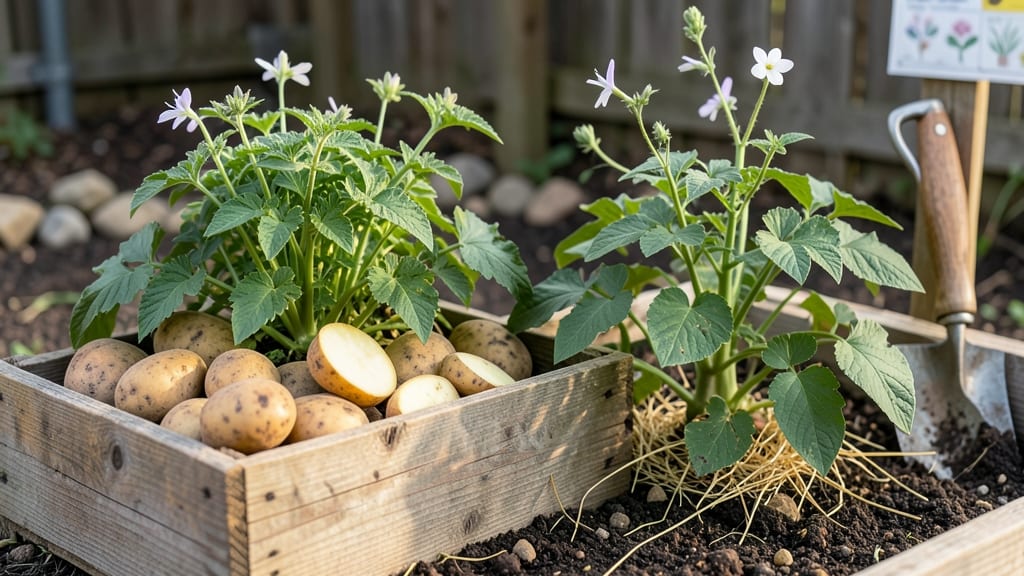
Knowing when to plant potatoes in Oregon isn’t just about checking a calendar—it’s about reading your soil like a weather forecast. With Oregon’s unpredictable spring swings from freezing nights to sudden warmth, timing your 🥔 planting can make or break your harvest.
Most gardeners in the Willamette Valley and high desert zones wait until soil reaches a steady 50°F, but that window shifts dramatically depending on elevation and microclimates.
Whether you’re growing early varieties like Yukon Golds or late-season Russets, planting too soon risks frost damage, while waiting too long cuts your harvest window short.
I’ll show you exactly how to test soil temperature, adjust planting dates by region, and choose between seed potatoes or certified seeds for your Oregon garden.
Plus, I’ll share my top tricks for avoiding common pitfalls like late blight and wireworm damage—so you can go from uncertain to confident before your first spud even sprouts.
Ready to turn Oregon’s variable climate into your advantage? Let’s dive into the soil science and seasonal secrets that’ll have you digging up a bumper crop this summer.
Oregon’s ideal potato planting timeline by soil temperature (not calendar date)
Forget relying on calendar dates—Oregon’s soil temperature is the real indicator for planting potatoes. Aim for 50°F soil temps (test with a soil thermometer) to kickstart growth.
In the Willamette Valley, this typically falls between mid-March and early April, while Eastern Oregon’s high desert may wait until late April or May.
Early varieties like Yukon Gold or Red Pontiac thrive when planted 4-6 weeks before last frost, while late varieties (e.g., Russet Burbank) can handle cooler soils and tolerate light spring frosts.
Use your local USDA zone (e.g., Zone 7-9) as a rough guide, but always verify with soil tests.
Pro Tip: Oregon’s Coast Range often warms slower than inland areas. If your soil stays below 50°F past April 15th, delay planting or opt for cold-hardy varieties like Kennebec.
Use a soil thermometer ($10 at garden centers) to check temps at 6-inch depth. Morning readings (9-11 AM) are most accurate. If temps fluctuate, wait until they stay consistently above 50°F for 3+ days before planting.
Oregon’s last frost dates vary wildly—Zone 7 (Eastern OR) may see frost until May 15th, while Zone 9 (Medford) rarely drops below freezing after March 1st. Plant early varieties first to hedge against late frosts.
For organic growers, avoid planting too early—cold, wet soils increase disease risk (e.g., late blight). Wait until soil is workable and warmed by 2-3 weeks of sunshine.
If you’re using seed potatoes (not true seeds), chit them (sprout in light) for 2-3 weeks before planting. This gives them a 3-day head start in Oregon’s cool springs.
Remember: Potatoes need 60-90 days to mature. Plant early varieties by April 1st to harvest by June 15th—perfect for summer grilling season!
3 Critical factors that change your planting schedule in Oregon (beyond just dates)
Oregon’s diverse climate means your potato planting schedule can shift dramatically based on where you live. While the Willamette Valley might be ready by early March, high desert regions like Bend often wait until late April.
These regional differences aren’t just about dates—they’re about elevation, microclimates, and even the type of seed potatoes you’re using.
First, consider your elevation and frost risk. Coastal areas like Astoria have milder winters, allowing earlier planting, while Mount Hood’s slopes may need to wait until after the last frost date.
Use your local USDA hardiness zone (Oregon spans zones 6-9) as a starting point, but adjust for microclimates—urban heat islands can push planting dates 2 weeks earlier than rural areas.
Next, your choice of seed potatoes matters. Certified disease-free seed potatoes (like Yukon Gold or Red Pontiac) need to be planted when soil hits 45°F+, while saved potatoes from your garden can wait until soil reaches 50°F+.
The latter are hardier but may carry diseases, so sterilize them before planting if using saved tubers.
Here’s how these factors interact: In Eastern Oregon’s high desert, where nights stay chilly longer, I plant early varieties (like Kennebec) in late April to avoid late frosts.
Meanwhile, in Western Oregon’s valleys, I might start late varieties (like Russet Burbank) as early as mid-February, knowing the soil warms faster.
Microclimates add another layer. A south-facing slope warms up faster than a north-facing garden, so I might plant there 10-14 days earlier. Even within your yard, shaded spots can delay planting by 2-3 weeks compared to sunny areas.
Always test soil temperature with a soil thermometer—it’s the most accurate way to decide.
Finally, don’t overlook organic vs. conventional growing. Organic gardeners often plant earlier to take advantage of natural soil warming and avoid synthetic fertilizers that can stress young plants. In contrast, conventional growers might use row covers to extend the season, allowing later planting without frost risk.
Use this risk assessment tool to adjust your dates: If your area has a history of late frosts, plant 2 weeks later. If you’re in a dry microclimate, start 1 week earlier to ensure moisture.
The key is flexibility—Oregon’s weather doesn’t follow a calendar, but your soil thermometer and local observations will.
- 1 Elevation & Frost Risk: High desert (e.g., Bend) waits until late April; coastal areas (e.g., Astoria) can plant by early March.
- 2 Seed Type: Certified seed potatoes need 45°F+ soil; saved potatoes wait for 50°F+. Sterilize saved tubers to prevent disease.
- 3 Microclimates: South-facing slopes plant 2 weeks early; shaded spots delay by 2-3 weeks. Test soil temp with a thermometer!