
Plants
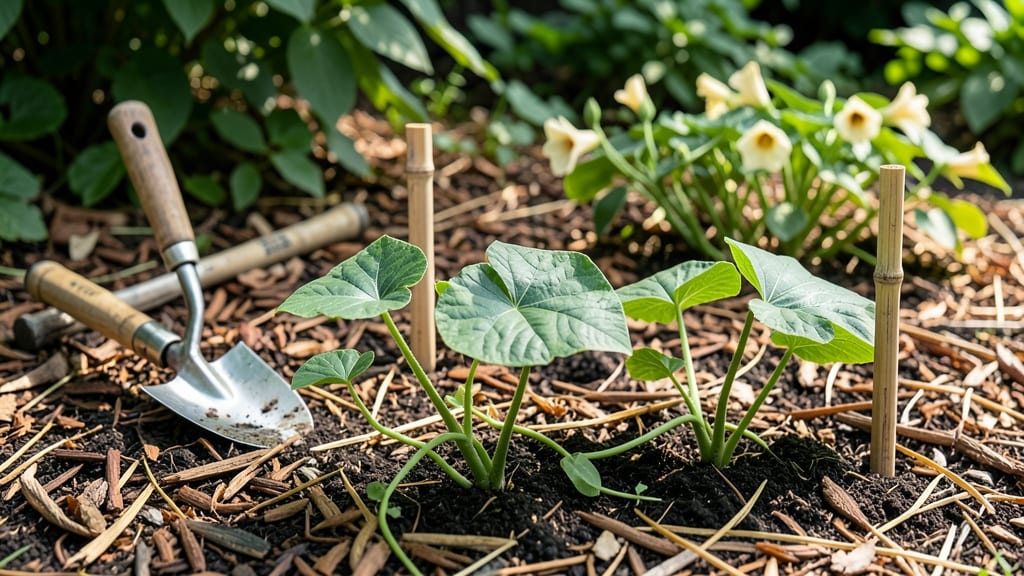
Planting sweet potatoes in Florida isn’t just about picking a month—it’s about timing the soil temperature to unlock faster, healthier harvests. With 9a-11 USDA zones and frost-free year-round conditions, you’ve got flexibility, but get it wrong, and your 🍠 crop could struggle with pests or poor growth.
The key is waiting until the soil warms to at least 65°F, which typically lands in March-May for spring plantings or June-August for summer crops. Florida’s sandy soil heats up quickly, but rushing can lead to stunted slips or weak tubers—so patience pays off.
Most Florida gardeners start with slips (sprouted tubers) rather than seeds, giving them a 90-120 day head start to maturity. Whether you’re in the Panhandle or Miami, this guide breaks down the exact windows to plant for maximum yield.
Ready to grow bigger, sweeter potatoes? Let’s dive into the fastest ways to prep your soil and choose the right varieties for your region—because in Florida, timing isn’t just about the calendar, it’s about the heat.
Best planting times for sweet potatoes in Florida by region
Florida’s frost-free climate means sweet potatoes can grow year-round, but timing still matters. The key is soil temperature—sweet potatoes need warm soil (65°F+) to sprout properly. Planting too early in cool months slows growth, while late planting risks hurricane season disruptions or pests like sweet potato weevils.
Since Florida spans USDA zones 9a-11, regional differences create microclimates. Coastal areas stay warmer longer, while inland zones may need earlier starts. Let’s break down the ideal planting windows for North, Central, and South Florida to maximize your harvest.
Here’s how to align your planting with Florida’s unique growing conditions:
For North Florida growers, aim for March-April to avoid the occasional late frost. Soil thermometers are your best friend—wait until the ground stays above 65°F for 3+ days before planting slips.
In Central Florida, you can stretch planting into early summer for a fall harvest, but be mindful of sweet potato weevils that thrive in heat.
South Florida’s longer growing season lets you plant almost year-round, but I recommend avoiding June-August if possible. Hurricane season brings wind damage and flooding risks, which can uproot young plants. Instead, focus on January-February for spring harvests or September-October for winter yields.
Pro tip: Use black plastic mulch to warm soil faster in cooler months. Lay it down 2-3 weeks before planting to create a microclimate that speeds up germination. This is especially helpful in North Florida where mornings can still be chilly.
Another critical factor is humidity. Coastal areas like Miami or Tampa have higher humidity, which can lead to fungal diseases like leaf spot. Improve airflow by spacing plants 12-18 inches apart and using raised beds if your soil drains poorly.
Inland areas like Orlando or Gainesville have drier conditions, so focus on consistent moisture to prevent tubers from cracking.
Timing also affects harvest windows. Planting in spring (March-May) typically yields fall harvests (October-December), while summer plantings (June-August) may produce smaller tubers due to heat stress. For the largest sweet potatoes, prioritize early-season starts and extend the growing period with drip irrigation during dry spells.
Remember: Florida’s no-frost rule is a double-edged sword. While you can grow sweet potatoes almost anytime, pests and diseases thrive in the heat. Rotate planting locations yearly to break pest cycles and always use certified disease-free slips from reputable nurseries like UF/IFAS Extension.
Best planting times for sweet potatoes in Florida by region
Florida’s frost-free climate means you can grow sweet potatoes year-round, but timing still matters. Unlike northern states, we focus on soil temperature and humidity rather than frost dates. The best windows are spring (March-May) and summer (June-August), when soil stays consistently warm.
In North Florida (USDA Zones 8a-9a), aim for late March to early May to avoid summer’s peak humidity and pests. Central Florida (Zones 9a-9b) gardeners have flexibility from March through July, while South Florida (Zones 10a-11) can plant year-round but thrives in spring and fall.
Here’s how regional microclimates affect your timing:
| Region | Best Planting Window | Soil Temp Requirement | Key Consideration |
|---|---|---|---|
| North Florida | Late March - Early May | 65°F+ (18°C+) | Avoid summer’s high humidity |
| Central Florida | March - July | 68°F+ (20°C+) | Balanced heat and rain |
| South Florida | Year-round (peak: spring/fall) | 70°F+ (21°C+) | Watch for hurricane season |
For coastal areas, plant 1-2 weeks earlier than inland—cooler ocean breezes delay soil warming. Inland areas heat up faster, so you can start 2 weeks earlier than coastal zones. Always check soil temperature with a probe (65°F/18°C minimum) before planting slips.
Missed the spring window? Don’t worry—summer planting (June-August) works well if you provide extra shade cloth during peak afternoon heat. Just avoid planting in September when hurricane risks rise and humidity spikes, which invites fungal diseases like black rot.
Pro tip: Use mulch (straw or black plastic) to maintain soil warmth. In North Florida, this extends the season by 3-4 weeks into summer. For South Florida, mulch helps prevent soil crusting from heavy rains.
Timing isn’t just about months—it’s about weather patterns. Track 7-day forecasts for rain; sweet potatoes hate soggy soil. Aim for 5-7 dry days after planting to help slips establish roots.