
Plants
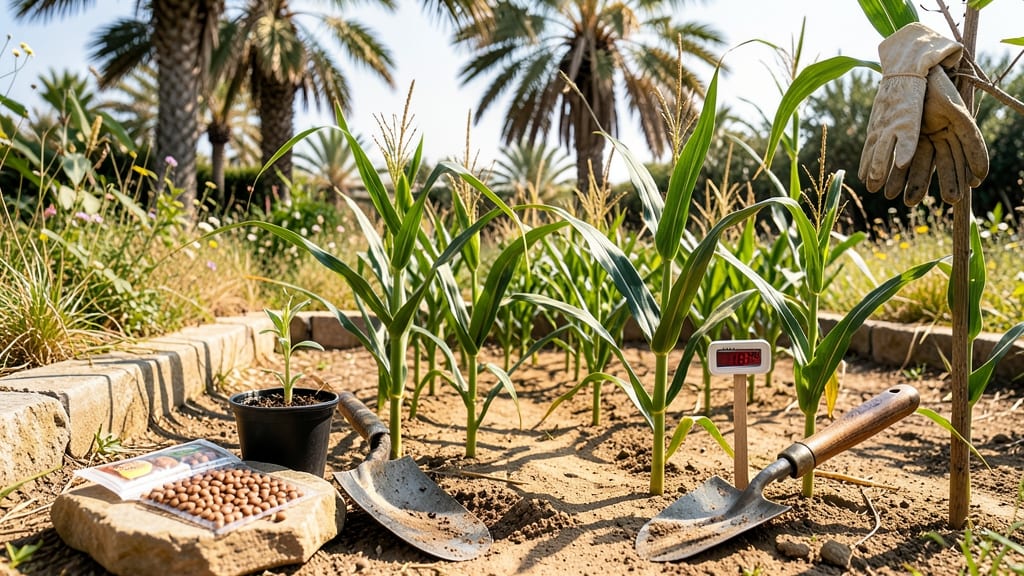
If you’ve ever planted 🌽 corn in South Florida only to watch it wilt under the relentless sun or struggle with sudden downpours, you’re not alone.
The key to thriving corn isn’t just about throwing seeds in the ground—it’s about timing them perfectly to avoid drought stress and fungal threats that turn your garden into a gamble.
South Florida’s unique 10a-11 climate means you can plant corn year-round, but the late winter to early spring window (early March to mid-April) is your golden ticket. This timing aligns with soil temperatures that encourage strong germination while avoiding the brutal summer heat that can stunt growth or invite pests.
Here’s the game-changer: most corn guides suggest planting in spring or summer, but Florida’s humidity and heat demand a different approach. We’ll break down exactly how to sync your planting schedule with South Florida’s microclimates—whether you’re in coastal Miami or inland Orlando—to maximize yields and skip the common pitfalls.
Ready to grow sweet, plump ears without the stress? Let’s dive into the ideal planting strategy that works for Florida’s tropical quirks—no guesswork required.
Best planting dates for corn in South Florida (with drought risk analysis)
Corn thrives in South Florida’s warm winters but struggles with summer droughts and fungal diseases from excessive humidity. Unlike northern climates, Florida’s Zone 10-11 allows year-round planting, but timing is everything to avoid heat stress or poor germination.
The sweet spot? Early March to mid-April, when soil temperatures hover around 60–75°F—perfect for seedling development.
Why this window? January plantings risk cool soil, slowing growth, while May plantings face peak summer heat (above 90°F), causing ear rot or stunted stalks. Local climate data shows March–April averages 70–80°F with steady rainfall, reducing drought risk and fungal pressure.
Here’s the golden rule: Plant when soil temps reach 60°F (use a soil thermometer) and avoid weeks with <1 inch of rain. South Florida’s humid microclimates mean coastal areas (like Miami) may tolerate slightly later plantings, while inland zones (like Orlando) need earlier starts to escape summer dry spells.
🌱 Did You Know? Corn planted in late February can mature by May, avoiding the June–August drought that plagues Florida gardens. This aligns with USDA data showing 60–75% higher yields when planted in this window.
| Stage | Action | Best Months | Risk Level |
|---|---|---|---|
| Soil Prep | Test pH (6.0–6.8), add compost | January–February | Low |
| Planting | Direct seeds 1" deep, 12" apart | Early March–Mid-April | Medium (drought risk) |
| Germination | Keep soil moist (1–2" water/week) | March–April | High (fungal risk) |
| Harvest | Pick when silks brown, kernels milky | May–June | Low (post-drought) |
| Avoid | Planting after May (summer drought) | June–August | Critical |
For coastal gardens (e.g., Key West), extend planting to late April—the ocean breeze moderates heat. But inland areas (e.g., Tampa) should plant by mid-March to finish before June dry spells. Pro tip: Use drought-tolerant hybrids like 'Peaches and Cream' or 'Silver Queen' for flexibility.
Monitor rainfall forecasts via NOAA’s Miami office—aim for 2+ inches of rain weekly during germination. If drought looms, mulch heavily (straw or black plastic) to retain moisture. Drip irrigation at dawn is your best friend in Florida’s intense sun.
Here’s a quick
How to adjust planting timing for South Florida’s microclimates (coastal vs. inland)
South Florida’s geography creates two distinct growing zones: coastal areas like Miami and Fort Lauderdale, and inland regions near Tampa or Orlando. These microclimates demand different planting strategies to avoid heat stress or humidity-related diseases.
Coastal zones benefit from ocean breezes that moderate temperatures, while inland areas face more intense afternoon heat.
For coastal gardens, plant corn between mid-February and early April to capitalize on cooler breezes and consistent rainfall. Inland areas should aim for early March to mid-April, when soil temperatures stabilize above 60°F—critical for germination. Delaying planting risks summer droughts or ear rot from prolonged humidity.
| Factor | Coastal (Miami/Ft. Lauderdale) | Inland (Tampa/Orlando) |
|---|---|---|
| Best Planting Window | Mid-Feb to Early Apr | Early Mar to Mid-Apr |
| Soil Temp Threshold | 58°F (cooler nights) | 62°F (warmer days) |
| Shade Tolerance | High (use shade cloth 30%) | Low (full sun required) |
| Fast-Maturing Hybrid | ‘Silver Queen’ (75 days) | ‘Peaches & Cream’ (80 days) |
| Irrigation Strategy | Drip lines + mulch | Soaker hoses + deep watering |
Coastal gardeners can extend the season by using 30% shade cloth during peak afternoon heat (12–3 PM) to prevent silk desiccation, a common issue when temperatures exceed 90°F. Inland areas should prioritize dwarf varieties like ‘Bodacious’ (5–6 ft tall) to reduce wind damage and improve ear accessibility.
Adjust your watering schedule based on location: coastal plants need daily misting during dry spells, while inland corn benefits from deep watering every 2–3 days. Use a moisture meter to confirm soil stays between 60–70% humidity—critical for ear development.
For late-season plantings (May–June), opt for short-day hybrids like ‘Golden Bantam’ (60 days), which mature faster in South Florida’s long, hot summers. Pair these with black plastic mulch to retain soil moisture and suppress weeds, which thrive in the region’s high humidity.
Always monitor local weather forecasts for tropical storm risks—delay planting if heavy rains are predicted, as waterlogged soil can stunt germination. With these adjustments, you’ll maximize your corn’s potential in South Florida’s diverse climate zones. 🌽