
Plants
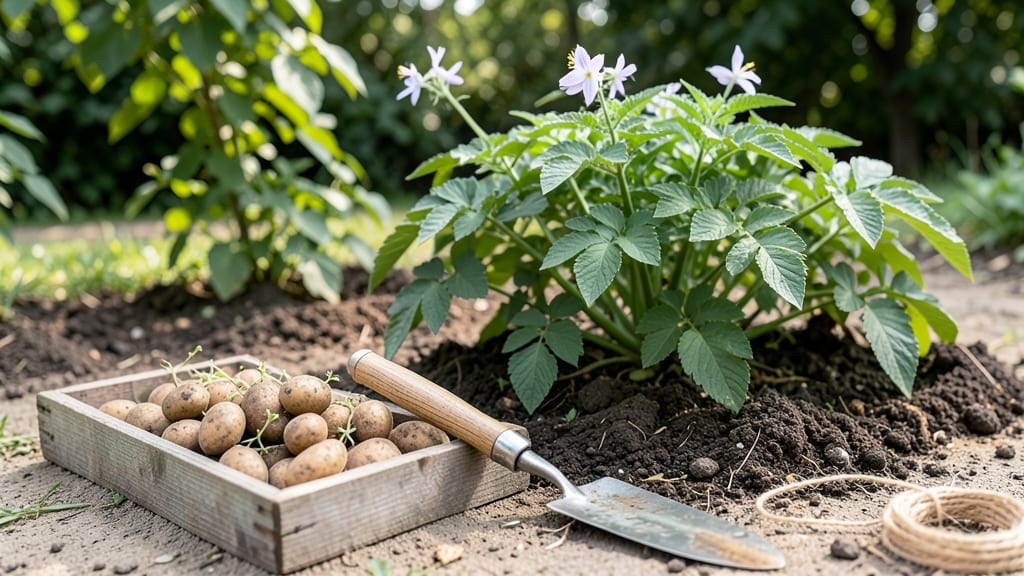
If you've ever wondered "when do you plant potatoes in Illinois", the answer isn't as simple as "spring" - it's about mastering the delicate balance between frost dates and your potato variety's needs.
Illinois gardeners face a unique challenge with its Zone 5b-6a climate, where a late frost can wipe out early plantings while waiting too long means missing the short growing season.
The key to success lies in understanding your specific region's frost patterns and selecting cold-hardy varieties that can handle Illinois' unpredictable springs. Whether you're planting early varieties in February or sticking to the traditional March-April window, timing directly impacts your harvest potential.
What you'll discover here is the exact planting strategy that works for Illinois' climate, including soil preparation tips and variety recommendations that thrive in our 165-day growing season. Let's break down the science behind getting your 🥔 off to the best possible start.
From choosing between seed potatoes and sprouted tubers to understanding when to add fertilizer, we'll cover all the critical steps to maximize your yield.
The difference between a mediocre potato harvest and a bountiful one often comes down to these early decisions - and we're here to help you get it right.
Best planting windows for Illinois potatoes by variety type
Timing your potato plantings in Illinois’ Zone 5 means balancing frost risk with soil warmth. Most gardeners aim for 2-4 weeks before the last frost date (typically March 15–April 15), but your exact window depends on the variety and whether you’re using seed potatoes or sprouted tubers.
Early plantings risk frost damage, while late starts may not mature before first fall frost.
For early-season varieties, you can plant as soon as the soil reaches 40°F—often in late February or early March under row covers. Mid-season varieties (the most common) thrive when planted 2–3 weeks before the last frost, while late-season varieties can wait until April 1–15 for a longer harvest window.
Always check your local USDA frost dates for precise timing.
Here’s how to adapt your planting schedule based on potato type and Illinois’ microclimates:
| Variety Type | Ideal Planting Window | Soil Temp Requirement | Days to Maturity | Best for Illinois Region |
|---|---|---|---|---|
| Early (e.g., 'Yukon Gold', 'Red Norland') | Late February–Early March (under cover) | 40–45°F | 60–90 days | Northern IL (Zone 5a) |
| Mid-Season (e.g., 'Kennebec', 'Russet') | March 15–April 15 | 45–50°F | 90–110 days | Central/Southern IL (Zone 5b–6a) |
| Late (e.g., 'Purple Viking', 'German Butterball') | April 1–15 | 50–55°F | 110–130 days | Southern IL (Zone 6a) |
🌱 Pro Tip: Use a soil thermometer to confirm warmth before planting—cold soil delays sprouting.
If you’re planting sprouted seed potatoes, start them indoors 4–6 weeks before your target outdoor date. Cut larger tubers into 2-ounce pieces, ensuring each has 1–2 eyes, then cure them in a cool, dark place for 1–2 weeks to encourage sprouts.
This head start gives you a 2-week advantage over unsprouted potatoes.
For northern Illinois (Zone 5a), prioritize early-maturing varieties like 'Early Rose' or 'Chieftain' to avoid late-spring frosts. In southern Illinois (Zone 6a), you can afford slightly later plantings and even try a fall harvest by planting in late July for a winter crop (using cold-hardy varieties like 'Katahdin').
Always plant 4 inches deep and space rows 3 feet apart to allow for hill-building as plants grow. Mound soil around stems every 2–3 weeks to encourage tuber formation and prevent greening from sunlight exposure. This technique also improves drainage, reducing rot risk in Illinois’ clay-heavy soils.
Missed the spring window? Don’t worry—you can still plant late-season varieties in early May for a summer harvest. Just be prepared for smaller yields and watch for potato blight, which thrives in Illinois’ humid summers. Use resistant varieties like 'Pontiac' or 'Superior' to mitigate risks.
For organic gardeners, avoid synthetic fertilizers and instead use composted manure or worm castings at planting. Add a low-nitrogen fertilizer (like 5-10-10) when flowers appear to boost tuber production without excessive foliage growth. Mulch with straw to retain moisture and suppress weeds—critical in Illinois’ hot, dry summers.
Finally, keep a planting journal to track your success. Note the exact dates you planted each variety, soil temperatures, and any weather anomalies (like early fro
Best planting windows for Illinois potatoes by variety type
Timing your potato planting in Illinois’ Zone 5 means balancing frost risk with soil warmth. The last frost date (typically mid-April) is your guide, but soil temperature matters more.
Aim for 40°F+—cold soil delays sprouting, even if frost isn’t forecasted. Early varieties can handle 32°F soil temps, while late varieties need 50°F+.
For seed potatoes (not sprouted tubers), start 2-4 weeks before your last frost. In Illinois, that’s late March to early April for most regions. If you’re using pre-sprouted potatoes, plant them 1-2 weeks earlier—they germinate faster in cool soil.
Northern Illinois (Zone 5b) may need to wait until mid-April due to later frosts.
Here’s how to align your planting with variety maturity:
| Variety Type | Planting Window | Days to Maturity | Soil Temp Threshold | Frost Risk Note |
|---|---|---|---|---|
| Early (e.g., Yukon Gold) | Late March–Early April | 60–90 days | 32°F–40°F | High frost risk; use row covers |
| Mid-Season (e.g., Kennebec) | Early–Mid April | 90–110 days | 40°F–50°F | Moderate risk; plant after last frost |
| Late (e.g., Red Pontiac) | Mid–Late April | 110–120 days | 50°F+ | Low risk; best for late harvests |
Pro tip: Use a soil thermometer to verify temps. If soil stays below 40°F for weeks, delay planting or use black plastic mulch to warm it faster. For container growing, plant 2 weeks earlier—pots warm up quicker than garden beds.
Never plant green potatoes (from the store)—they’re treated to prevent sprouting and won’t grow. Instead, buy certified seed potatoes from nurseries or cut your own from organic potatoes (let cut sides heal for 24 hours before planting).
In southern Illinois (Zone 6a), you can push planting to February for early varieties, but northern areas should wait until April. Always check your local frost dates—Illinois’ climate varies by 50+ miles! 🌱