
Plants
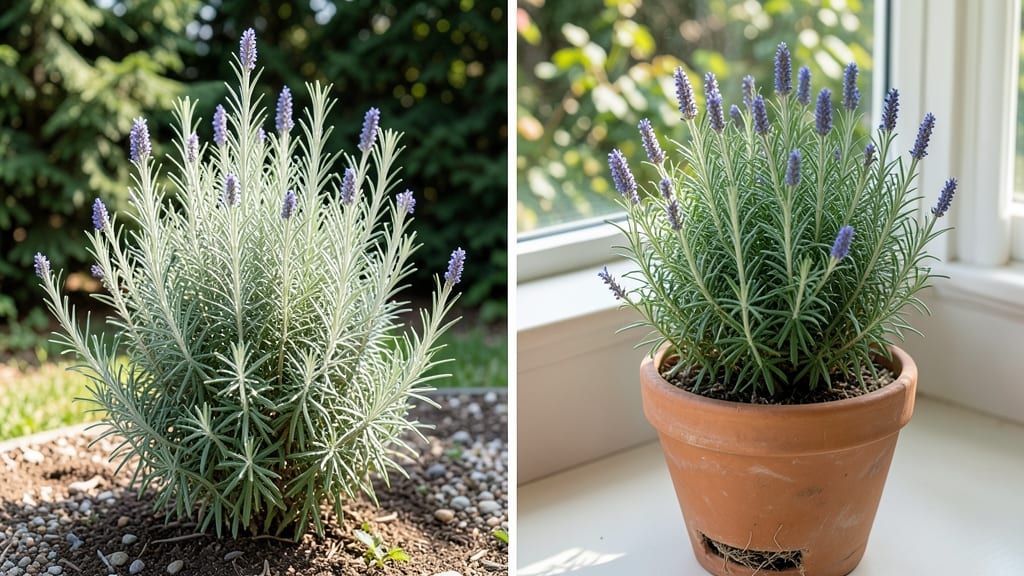
If you're dreaming of rosemary plants that stay neatly contained but worry how tall a rosemary plant grows, you're not alone. The height of rosemary can vary dramatically—from a compact 1-2 feet to towering 6 feet giants—depending on the variety and how you care for it.
For gardeners in USDA Zone 6a, where rosemary thrives, understanding these differences is key. Some varieties like 'Tuscan Blue' grow upright and sturdy, while others sprawl wider. Knowing which type you have helps you plan spacing and pruning for the perfect 🌿 display.
Whether you're growing rosemary in containers or garden beds, controlling its height is easier than you think. With the right pruning techniques and spacing, you can keep it at your ideal size—whether that means a bushy 2-foot accent plant or a tall 5-foot statement piece.
Let’s break down how rosemary grows by variety, how to manage its height, and the best practices for keeping your plants healthy and thriving year-round.

Rosemary plant height by variety: compact vs. tall-growing types
Rosemary's height can vary wildly depending on the variety you choose. Some stay neat and compact, perfect for windowsill gardens, while others grow into tall, woody shrubs that dominate garden beds. Understanding these differences helps you plan spacing and container sizes effectively.
If you're growing rosemary in containers, dwarf varieties like 'Prostratus' stay under 2 feet tall and spread instead, making them ideal for hanging baskets or balcony gardens. Meanwhile, standard varieties like 'Tuscan Blue' can reach 5-6 feet when planted in the ground.
Here's how popular rosemary varieties compare in terms of height and growth habits, along with their ideal spacing requirements:
The Tuscan Blue variety is one of the most popular tall-growing types, often used as a privacy screen or hedge plant in Mediterranean-style gardens. Its blue-green needles and woody stems make it a stunning architectural feature, but it needs ample space to thrive.
For container gardening, I recommend 'Arp' or 'Prostratus'—both stay under 3 feet tall but spread wide, creating a lush, cascading effect. These varieties are perfect for balcony planters or hanging pots, where their trailing growth adds visual interest without taking up much vertical space.
When planning your garden layout, consider how tall your rosemary will grow. Place taller varieties like 'Tuscan Blue' at the back of herb borders or along fences, while shorter types like 'Hill Hardy' work well in front rows or mixed containers.
If you're unsure which variety to choose, start with 'Tuscan Blue' for a classic look or 'Prostratus' for a compact, fragrant option. Both are drought-tolerant and low-maintenance, making them great for beginner gardeners or busy homeowners.
Remember, rosemary's height isn't set in stone—pruning plays a huge role in shaping its growth. With regular trimming, even tall varieties can be kept neat and manageable, while under-pruned plants may become overgrown and leggy.
How growing conditions affect rosemary height and shape
Your rosemary plant’s height isn’t just about its variety—growing conditions play a huge role in whether it stays compact or stretches skyward. Sunlight exposure, soil quality, and even your climate zone can push a plant from 2 feet tall to towering over 6 feet.
Let’s break down how each factor influences growth and what you can do to shape your rosemary intentionally.
First, sunlight is non-negotiable for rosemary. Plants thriving in full sun (6+ hours daily) grow 20-30% taller than those in partial shade.
My Tuscan Blue rosemary in a sunny garden bed hit 5 feet by year three, while the same variety in a shadier spot maxed out at 3 feet. Partial shade also causes leggy, sparse growth—ideal for dwarf varieties but problematic for taller types.
Key Takeaway
Rosemary height is directly tied to sunlight. Full sun = taller, bushier growth. Partial shade = shorter, leggier plants. Adjust placement to control size naturally.
Next, soil drainage determines whether your rosemary grows upward or struggles to thrive. Heavy, clay soil forces plants to stretch for oxygen, creating tall, weak stems. Amend with sand or gravel to encourage a compact, bushy shape.
In containers, use a fast-draining potting mix—my potted Arp rosemary stays under 3 feet because the mix prevents root stress.
Don’t overlook pruning habits, either. Regular trims stimulate bushier growth and prevent height spikes. I prune my Hill Hardy rosemary twice yearly, keeping it at 2-3 feet even in full sun. Skip pruning, and you’ll end up with a 6-foot-tall woody stalk—hardly the lush herb you planted!
Finally, climate matters. Rosemary in USDA Zones 7-10 grows taller and faster than in cooler zones. In Zone 6 or below, rosemary often stays shorter and more compact due to slower growth.
If you’re in a colder zone, choose Hill Hardy varieties, which naturally stay under 3 feet and handle frost better.
Want to control your rosemary’s height? Combine full sun, well-draining soil, and regular pruning. These three factors give you the power to shape your plant—whether you prefer a 2-foot kitchen herb or a 5-foot garden statement piece. 🌿