
Plants
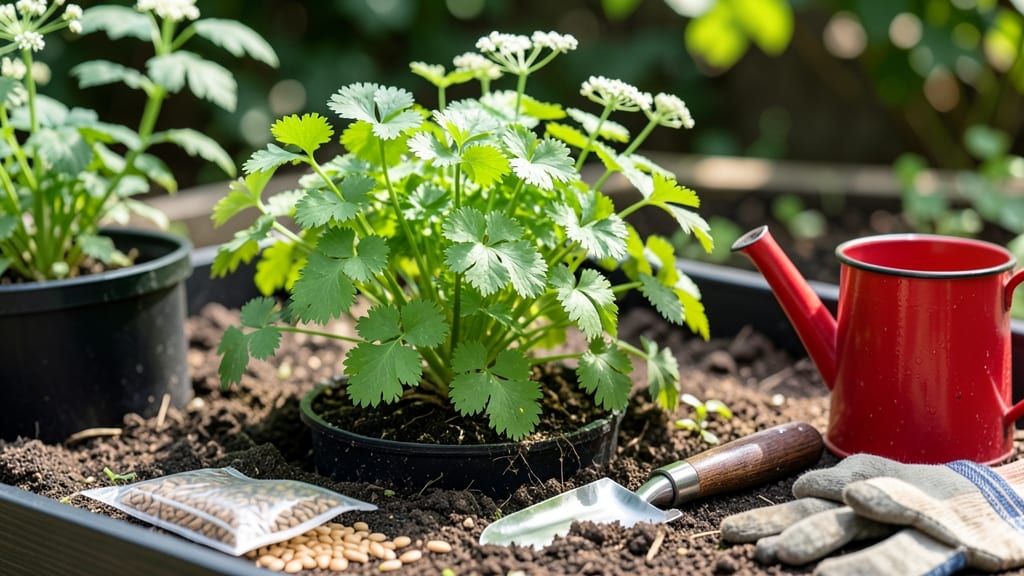
Timing your cilantro planting in Oregon can mean the difference between a fresh, vibrant harvest and a bitter disappointment. With USDA zones 7b-9a bringing both cool springs and warm summers, knowing exactly when to sow is the key to avoiding bolting and maximizing flavor.
If you've ever planted cilantro only to watch it bolt into seed before you could harvest a single leaf, you know the frustration.
The secret lies in planting during Oregon's coolest months—March to April for spring and September to October for fall—when temperatures stay mild enough to keep your 🌿 cilantro happy and productive.
I've grown cilantro in Oregon for years, and I'll show you how to time your plantings for success. Whether you're a beginner gardener or a seasoned green thumb, these proven strategies will help you avoid common pitfalls and enjoy fresh cilantro straight from your garden.
From understanding your local microclimate to choosing the right planting method, we'll cover everything you need to know. Let's dive in and ensure your cilantro thrives all season long.
Oregon’s ideal cilantro planting windows: spring vs. fall timing guide
Oregon’s cool, maritime climate makes cilantro a perfect fit—but only if you time your planting right. Unlike heat-loving herbs, cilantro thrives in cooler temperatures (50–75°F) and bolts (goes to seed) when days get long and hot.
That’s why spring and fall are your golden windows for zero-bolt cilantro in Oregon’s USDA Zones 7b–9a.
In Western Oregon (Portland, Eugene), where summers are milder, you can stretch planting slightly later than in Eastern Oregon (Bend, La Grande), where heat arrives earlier.
The key? Plant when soil temps stay below 70°F and nighttime temps dip below 65°F—this prevents premature bolting and keeps your cilantro tender and flavorful.
Here’s the breakdown you need to avoid bitter, bolted cilantro and maximize your harvest:
| Season | Planting Window | Soil Temp Goal | Key Tip |
|---|---|---|---|
| Spring | Mid-March to early April | 50–65°F | Start seeds indoors 4–6 weeks before last frost (Portland: ~April 15; Medford: ~March 15). |
| Late Spring | Late April (shade cloth required) | Below 70°F | Use 30–50% shade cloth to delay bolting in hotter microclimates. |
| Fall | Mid-September to early October | 60–70°F | Aim for harvest before first frost (Portland: ~October 15; Bend: ~October 5). |
| Late Fall | Early October (hardy varieties only) | Above 40°F | Choose cold-hardy varieties like ‘Calypso’ or ‘Santo’ for extended harvests. |
For coastal Oregon (Astoria, Newport), where summers are cooler, you can push spring planting into early May with afternoon shade. In contrast, Eastern Oregon’s high desert (Bend, Redmond) demands earlier planting—late February to March—to beat the heat.
Always check your local last frost date and adjust by 2–3 weeks for safety.
Pro tip: Succession planting every 2–3 weeks in spring and fall ensures a continuous supply of fresh cilantro. For example, start your first batch in mid-March, then follow up with April 1st, April 15th, and May 1st (with shade protection).
This staggered approach lets you harvest before bolting peaks in late spring.
One common mistake? Planting cilantro too early in fall and risking frost damage. Wait until soil temps stay above 50°F at night—typically mid-September in most of Oregon. Use row covers if early frosts threaten, but remove them during the day to prevent overheating.
Remember: Cilantro’s days to maturity (30–60 days) are your friend. Time your last planting so harvests finish before summer solstice (June 21), when long daylight triggers bolting. With this timing, you’ll enjoy flavorful, pest-free cilantro from May through November—no bitter surprises here! 🌿
5 Proven tips to extend cilantro’s growing season in Oregon’s climate
Oregon’s coastal fog and inland heat create unique challenges for cilantro growers. The key to a continuous harvest? Extending its growing season with smart strategies. I’ve tested these methods in my Portland garden, and they work—even in our USDA Zone 8 climate.
First, succession planting every 2-3 weeks from March to October keeps fresh cilantro coming. Start with cool-season varieties like ‘Santo’ or ‘Calypso’, which handle Oregon’s unpredictable springs better than standard types. Plant your first batch in late February (after frost risk passes) and your last in mid-September.
🌱
For coastal Oregon gardeners, focus on spring plantings (March-April) and fall succession (August-September). Inland areas like Bend or Pendleton can push plantings into June if you use shade cloth and drip irrigation to keep roots cool.
Pro tip: Keep a planting journal to track which methods work best in your specific Oregon microclimate. Over time, you’ll pinpoint the perfect timing for zero-bolt cilantro—no guesswork required! 🌿