
Planting
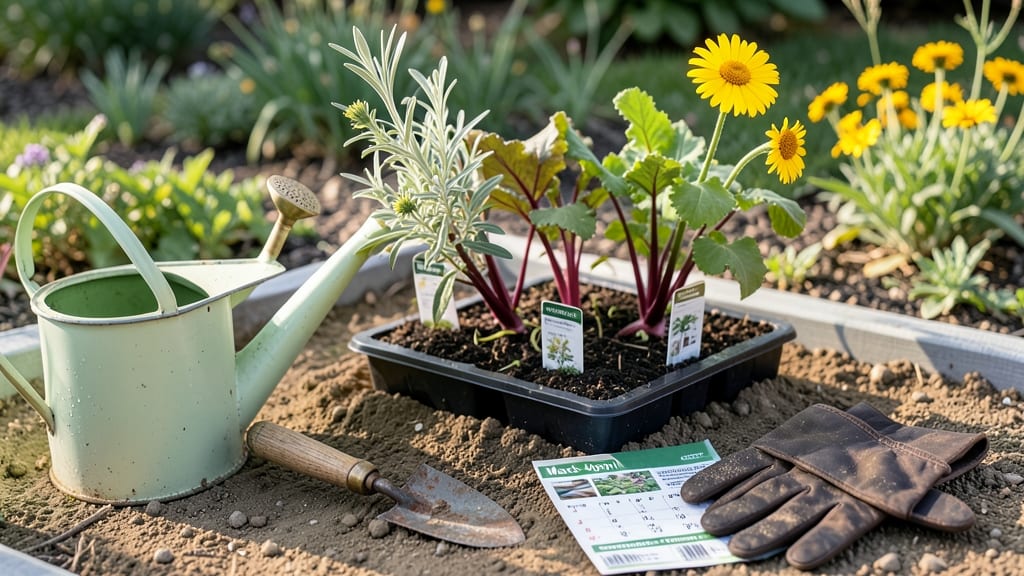
Timing when to plant a garden in Utah just right isn’t about guessing—it’s about avoiding those cruel late frosts that can turn your hard work into a sad, icy memory.
With USDA zones 5-8 and microclimates that vary wildly from the Wasatch Front to St. George, knowing when to plant your 🌱 General Garden Plants means the difference between a bumper crop and a barren plot.
Most gardeners in Utah swear by the mid-April to mid-May window for spring planting, but that’s only half the story. Fall planting—late August to early September—can actually give you a second harvest before winter sets in.
The key? Understanding your specific frost dates and soil temperatures, because planting too early (or too late) can leave your plants struggling—or worse, frozen solid.
I’ve spent years testing what works in Utah’s unpredictable climate, and what I’m about to share will help you plan with confidence. Whether you’re sowing tomatoes in the spring or kale in the fall, these strategies will keep your garden thriving when it matters most.
Ready to skip the guesswork and start planting like a pro? Let’s break down the exact windows, region by region, so you can enjoy a garden that’s as reliable as Utah’s stunning sunsets.
Utah’s frost dates by region: spring planting timeline for zero risk
Utah’s diverse climate—from the high-altitude valleys of Park City to the desert heat of St. George—means frost dates vary wildly.
In Salt Lake City (USDA Zone 6b), the last spring frost typically hits around April 15, while St. George (Zone 8a) can safely plant as early as February 15. These differences mean your planting window shifts dramatically depending on where you garden.
For warm-season crops like tomatoes, peppers, and corn, wait until two weeks after your region’s last frost date to ensure roots establish before summer heat arrives. Cool-season crops such as lettuce, spinach, and carrots can handle light frosts and often tolerate planting 4-6 weeks before the last frost.
Here’s how Utah’s major regions stack up for spring planting success, including microclimate adjustments for urban vs. rural areas:
Soil temperature matters just as much as air temperature. Use a soil thermometer to confirm your garden bed has reached at least 50°F for warm-season crops. Cool-season crops can tolerate cooler soils (down to 40°F), but avoid planting if nighttime temps dip below 32°F.
Pro tip: Succession planting works wonders in Utah’s short growing season. For example, sow bush beans every 2 weeks from May through July to ensure a continuous harvest. This strategy also minimizes risk if an unexpected frost hits.
If you’re in a high-altitude zone like Park City, consider starting seeds indoors 6-8 weeks before your last frost date to give seedlings a head start. Use grow lights to supplement natural light during Utah’s short spring days.
For container gardening, warm up pots with black plastic mulch 24 hours before transplanting. This trick adds 5-10°F to soil temperature, giving delicate seedlings a better chance in cooler microclimates.
Remember: False springs happen. Even if daytime temps soar in March, a late frost can still damage tender plants. Always check the National Weather Service for 10-day forecasts before planting heat-lovers like tomatoes.
🌱
Fall planting secrets: how to extend Utah’s growing season without frost damage
Utah’s fall planting season is your secret weapon for a second harvest—if you time it right. Unlike spring, when frost can sneak in unexpectedly, fall offers a predictable window to grow cold-hardy crops like kale, broccoli, and garlic.
The key? Start planting 6-8 weeks before your first frost to ensure mature harvests before winter sets in.
In northern Utah (USDA zones 5-6), aim for late August to early September for most cool-season crops. Southern Utah (zones 7-8) can extend planting until mid-October, thanks to milder winters. But don’t wait too long—plants need time to establish roots before temperatures drop below 40°F at night.
🌱 Your Fall Planting Timeline
- Late August: Sow spinach, lettuce, radishes for quick harvests.
- Early September: Plant broccoli, cabbage, kale for late fall/winter harvests.
- Mid-September: Add garlic, onions, peas for spring harvests.
- October (south only): Extend with cold-hardy flowers like pansies.
Protect tender seedlings with row covers or cold frames to shield them from light frosts (28-32°F). For high-altitude areas like Park City, use black plastic mulch to warm soil and extend the season by 2-3 weeks. Monitor your local microclimate—valleys freeze faster than slopes!
Water deeply before the first frost to prevent soil heaving, and mulch with straw or leaves to insulate roots. Avoid overwatering in late fall, as soggy soil invites rot and fungal diseases. Instead, focus on consistent moisture until the ground freezes.
Don’t forget succession planting! Sow fast-growing crops like radishes every 2 weeks in September for continuous harvests. And if you miss the fall window, consider indoor growing with grow lights for herbs and microgreens over winter.
With these strategies, you’ll turn Utah’s cool nights into a gardener’s advantage—harvesting fresh produce long after your neighbors have packed up their tools. Happy planting! 🌿