
Plants
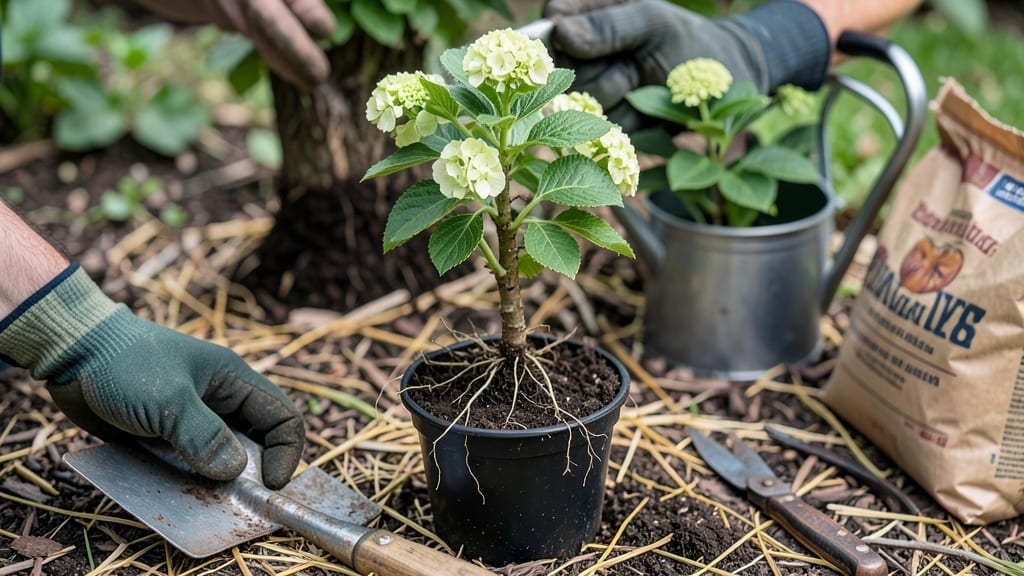
When is the best time to plant hydrangeas in the Northeast? Deciding between spring’s fleeting warmth or fall’s crisp promise can feel like a gamble—but one season gives your 🌸 hydrangeas a clear advantage in USDA Zones 5-7. Timing isn’t just about the calendar; it’s about soil temperatures, frost dates, and how your shrubs will weather winter’s first chill.
Spring planters swear by the fresh start, while fall enthusiasts argue that cooler temps help roots establish before the ground freezes. But here's the thing: neither season is a one-size-fits-all solution for the Northeast's unpredictable climate.
I'll break down the science—soil warmth, frost risks, and regional microclimates—to help you pick the best window for your garden's success.
Whether you're eyeing those April showers or counting down to September's golden light, the right approach depends on where you live. We'll cover exact planting months for states like New York and Pennsylvania, plus pro tips to give your hydrangeas the strongest start—no matter which season you choose.
Ready to stop second-guessing and start planting with confidence? Let's dive into the data and local insights that'll transform your hydrangeas from "maybe next year" to "blooming beauty" this season.
Spring vs fall planting: which season gives hydrangeas the best Northeast start?
Planting hydrangeas in the Northeast requires careful timing to ensure strong root establishment and vibrant blooms. Both spring and fall offer advantages, but each season presents unique challenges for USDA Zones 3-7.
Understanding these differences will help you choose the best window for your hydrangea varieties—whether you're planting Hydrangea macrophylla, H. paniculata, or H. arborescens.
The key factor is soil temperature and frost sensitivity. In the Northeast, spring planting (April-May) aligns with warming soils and longer daylight, while fall planting (September-October) allows roots to establish before winter dormancy. Both methods can succeed, but the right choice depends on your local microclimate and preparation.
Here’s how the two seasons compare for hydrangeas in the Northeast, including root growth, bloom timing, and survival rates:
Spring planting offers the advantage of immediate growth and potential first-year blooms, but it requires vigilance against late frosts and summer drought.
Fall planting, on the other hand, gives hydrangeas a head start on root growth before winter, often resulting in hardier plants and better survival rates in the Northeast’s USDA Zones 3-5.
For container-grown hydrangeas, fall planting is often preferred because the roots can establish without competing with summer heat. In-ground plantings benefit from both seasons, but spring is riskier if you’re in a late-frost zone like upstate New York or Vermont.
Always check your local last-frost date—typically mid-April in most of the Northeast—to avoid planting too early.
Another critical factor is soil preparation. Hydrangeas thrive in acidic, well-draining soil with organic matter. In spring, amend the soil with compost or peat moss 4-6 weeks before planting to give microbes time to break it down.
In fall, focus on adding mulch (3-4 inches) to insulate roots and retain moisture over winter.
If you’re torn between seasons, consider your hydrangea variety. Hydrangea paniculata (e.g., 'Limelight') tolerates spring planting better than Hydrangea macrophylla (e.g., 'Endless Summer'), which prefers fall for optimal root development. Always choose container-grown plants over bare-root stock in the Northeast—they establish faster and handle transplant shock better.
Pro tip: If you plant in spring, water deeply every 5-7 days until roots are established. For fall plantings, reduce watering in late fall but keep the soil from drying out completely. Both methods can yield stunning results—it’s all about matching your local climate and preparation.
Ready to dive deeper? The next section breaks down exact planting months for Northeast states, so you can pinpoint the best window for your region. 🌸
Spring vs fall planting: which season gives hydrangeas the best Northeast start?
Planting hydrangeas in the Northeast requires careful timing to ensure strong root growth and vibrant blooms. Both spring and fall offer advantages, but each season comes with unique challenges. Understanding these differences will help you choose the best time for your USDA Zones 3-7 garden.
The key factor is root establishment. Hydrangeas need time to develop a robust root system before facing harsh winter conditions. In the Northeast, this means avoiding planting too early in spring when soil is still cold or too late in fall when frost is imminent.
Spring planting (April-May) gives hydrangeas the entire growing season to establish roots before winter. However, late spring plantings may struggle if summer heat arrives before roots are fully developed. Fall planting (September-October) allows roots to grow without competing with summer heat, but requires careful protection from early frosts.
| Factor | Spring Planting (April-May) | Fall Planting (September-October) |
|---|---|---|
| Root Establishment | Full growing season for root growth | 6-8 weeks before frost for root growth |
| Bloom Timing | First blooms in 1-2 years | May delay first blooms by 6 months |
| Watering Needs | High in summer months | Moderate until frost |
| Frost Sensitivity | Low risk after May | High risk after October |
| Soil Temperature | 50°F+ required for root growth | 60°F+ ideal for root establishment |
For Northeast gardeners, fall planting often provides the best balance. The cooler temperatures reduce transplant shock, and hydrangeas can establish roots before winter dormancy. However, you must plant at least 6-8 weeks before your region's first frost date to allow adequate root growth.
Spring planting works well if you're in warmer microclimates like coastal areas or urban heat islands. In these zones, the risk of late frosts is lower, and the growing season is longer. Always check your local last frost date (typically mid-April in most of the Northeast) before planting in spring.
Regardless of season, focus on well-draining soil and partial shade to create ideal conditions. Both spring and fall plantings can succeed with proper care, but fall planting often gives hydrangeas a slight edge in the Northeast's challenging climate.