Plants
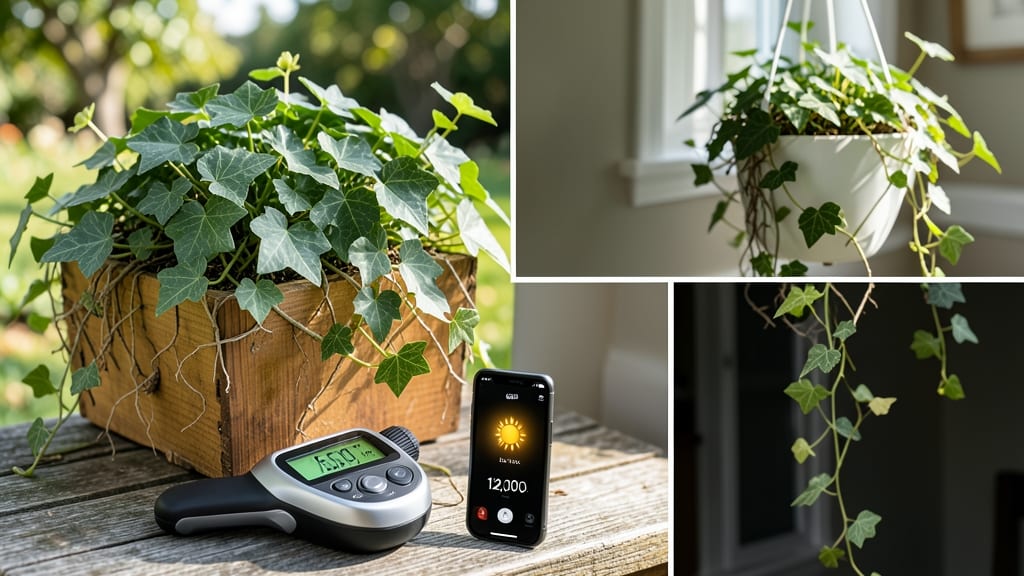
If your 🌿 ivy plant is looking sad—leggy stems, pale leaves, or struggling to climb—chances are, it’s not getting how much light an ivy plant needs. The good news?
Ivy is one of the most forgiving plants when it comes to light, but there’s a sweet spot that makes all the difference between a thriving vine and a struggling one.
Most ivy varieties, like English or Boston ivy, thrive with just 3–4 hours of bright, indirect sunlight per day. Too much direct sun can scorch those delicate leaves, while too little leaves them stretching desperately toward any light source.
The key is finding that balance—whether you’re growing ivy indoors near a window or outdoors in partial shade.
I’ve seen ivy transform from a weak, sad plant to a lush, vibrant climber just by adjusting its light exposure. In this guide, I’ll break down exactly how much light ivy needs, how to spot signs of over- or under-lighting, and simple tweaks to keep your plant happy year-round.
Ready to give your ivy the perfect growing conditions? Let’s dive into the details so you can enjoy a thriving plant that’s as easy to care for as it is beautiful.

Ideal light requirements for ivy plants: bright indirect sunlight explained
Ivy plants thrive in bright indirect sunlight, making them perfect for homes with east or north-facing windows. Unlike sun-loving plants, ivy can't handle direct afternoon rays, which scorch its delicate leaves.
Aim for 3–4 hours of filtered light daily—this sweet spot keeps your ivy lush and prevents those dreaded brown patches.
The key is mimicking their natural forest-floor habitat. In the wild, ivy grows under tree canopies where sunlight dapples through leaves. Recreate this by placing your plant near a sheer curtain or 2–3 feet away from a window.
Too little light? Your ivy will stretch toward any available source, growing weak and leggy.
For outdoor ivy, partial shade is ideal—think dappled sunlight under a patio umbrella or along a north-facing wall. If you're in a hot climate, afternoon shade is a must. Even morning sun can be too intense without protection, so monitor your plant's reaction to adjust accordingly.
🌿
| Light Condition | Ivy's Reaction | Best For |
|---|---|---|
| Bright Indirect Light (3–4 hrs) | Healthy growth, vibrant leaves | Indoor windows, dappled shade outdoors |
| Direct Sunlight (Afternoon) | Brown leaf tips, scorched areas | Avoid entirely |
| Low Light (Under 3 hrs) | Leggy growth, pale leaves | North-facing rooms, deep shade |
| Full Shade (No Sun) | Slow growth, weak stems | Basements, dark corners |
Seasonal changes mean adjusting your ivy's light exposure. In summer months, when sunlight is strongest, move potted ivy away from windows or use light sheer curtains to filter UV rays. Conversely, winter's weaker light might require rotating your plant every few weeks to ensure even growth.
Outdoor ivy can handle more shade in summer but may need extra light in winter. Watch for yellowing leaves or stunted growth—these are red flags that your ivy isn't getting enough light.
A simple fix is to relocate it to a sunnier spot or supplement with a grow light for 4–6 hours daily.
Pro tip: Rotate your ivy plant quarter-turns every week to prevent it from leaning toward one light source. This ensures even growth and keeps those lush, symmetrical vines you love. Think of it as giving your ivy a gentle "sunbath" without the risk of overdoing it.
If you're unsure whether your space has the right light, do this quick test: Hold a piece of white paper near your plant for a few hours. If the shadows are soft and diffused, it's perfect for ivy. If the paper shows sharp, dark shadows, your plant needs more shade.
For indoor gardeners, east-facing windows are ideal—they provide gentle morning light without the harsh afternoon sun. West-facing windows can work too, but only if you use a sheer curtain to diffuse the light. South-facing windows are usually too intense unless you're in a cooler climate.
Remember, ivy is adaptable, but it won't thrive in extreme conditions. The goal is consistency: bright but indirect light keeps your ivy happy year-round. With the right spot, your plant will reward you with vibrant green leaves and vigorous growth that turns heads.
☀️
How to adjust light for different ivy varieties (English, Hawaiian, etc.)
Not all ivy plants are created equal—some varieties handle low light better than others, while a few even tolerate brief periods of direct sun. For example, English ivy (Hedera helix) is the most adaptable, thriving in 3–4 hours of bright indirect light but surviving in dim corners.
Meanwhile, Hawaiian baby woodrose (often confused with ivy) prefers full shade and wilts in anything brighter than dappled sunlight.
If you’re growing Boston ivy (Parthenocissus tricuspidata), it’s a bit more sun-tolerant, handling up to 6 hours of morning sun but still needing afternoon shade to prevent leaf scorch. Always check your ivy’s leaf color and growth pattern—if it’s stretching toward light, it’s begging for more brightness.
For trailing varieties like Needlepoint Ivy, aim for east-facing windows to avoid harsh afternoon rays.
| Variety | Ideal Light | Tolerance | Best For |
|---|---|---|---|
| English Ivy (Hedera helix) | 3–4 hours bright indirect | Low to medium light | Indoor vines, shade gardens |
| Boston Ivy (Parthenocissus tricuspidata) | Morning sun + afternoon shade | Partial shade to sun | Outdoor walls, trellises |
| Hawaiian Baby Woodrose | Full shade to dappled light | Low light only | Dim offices, north-facing rooms |
For indoor ivy care, rotate your plant quarter-turns weekly to ensure even light exposure. If your ivy is near a south-facing window, use a sheer curtain to diffuse harsh rays—this mimics the dappled sunlight ivy loves.
Pro tip: Variegated ivy (like ‘Glacier Ivy’) needs slightly more light to maintain its creamy-white patterns, so place it closer to the window than solid-green varieties.
Outdoor ivy? Watch for seasonal light shifts. In summer, prune leggy growth to encourage bushier, sun-resistant foliage. In winter, move potted ivy to a protected porch or garage if temperatures drop below 20°F—cold snaps can stress light-starved plants even more.
Always prioritize morning sun exposure over afternoon heat, as it reduces stress on your ivy’s leaves.
If your space is chronically low-light (like a basement office), supplement with a grow light on a timer for 12–14 hours daily. Ivy won’t replace a sunbathing session, but it’ll survive—and even thrive—with this extra boost.
Just avoid LED grow lights with blue spectrum only; opt for a full-spectrum bulb to mimic natural light.
Remember: Yellowing leaves on ivy usually mean too much direct sun, while long, sparse stems scream light deprivation. Adjust gradually—sudden light changes shock ivy just as much as extreme temperature swings. With the right balance, your ivy will reward you with lush, vibrant growth year-round. 🌿