
How To
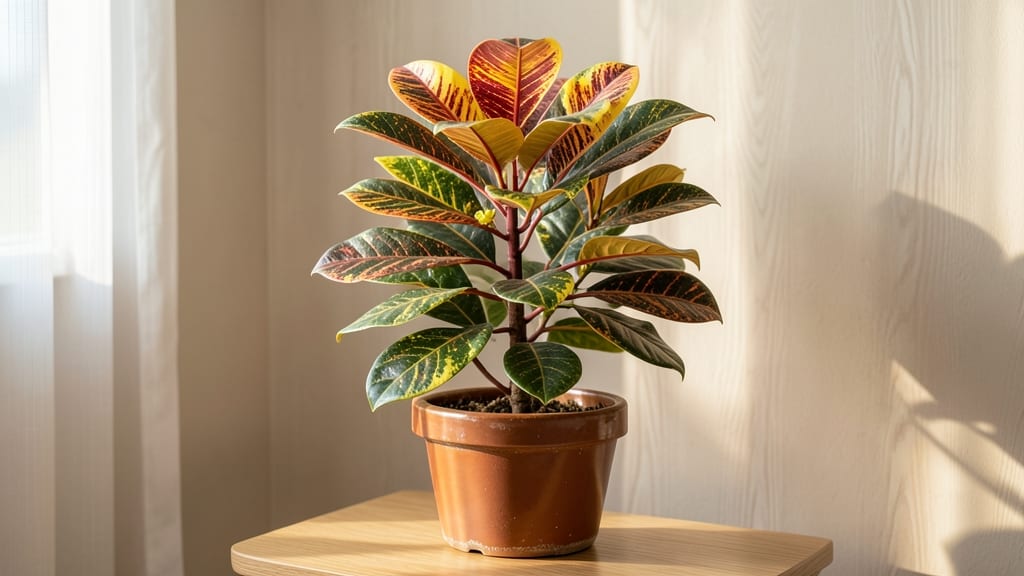
Wondering how tall does a croton plant grow before it becomes a full-blown statement piece in your space? The answer might surprise you—these vibrant 🌿 plants can range from compact tabletop companions to towering shrubs, depending on the variety and care you provide.
If you're dreaming of a lush, leafy centerpiece, knowing your croton's mature height helps you plan everything from container size to pruning strategies.
Some varieties stay under 2 feet, perfect for shelves or desks, while others can reach 6 feet or more, making them ideal for floor plants or even small trees in sunny outdoor spaces.
But here's the thing: your croton's growth isn't set in stone. With the right care—like proper sunlight, occasional pruning, and the right pot size—you can steer its height in the direction you want.
Whether you prefer a bushy, compact look or a tall, elegant shrub, we'll break down what to expect and how to shape it.
Ready to discover how to manage your croton's growth and keep it thriving? Let's dive into the details so you can enjoy its stunning foliage without the unexpected surprises.

Croton plant height by variety: small to giant size guide
Croton plants (Codiaeum variegatum) are prized for their stunning foliage, but their mature height varies dramatically by variety. Whether you want a compact tabletop plant or a towering indoor tree, choosing the right cultivar is essential.
Most crotons grow between 1 to 6 feet tall, but some dwarf varieties stay under 1 foot, while large types can reach 6 feet or more with proper care.
Indoor crotons typically grow slower than outdoor plants due to limited sunlight and space. However, with bright indirect light and occasional pruning, even indoor varieties can reach their full potential. Let’s explore the height ranges of popular croton varieties to help you pick the perfect fit for your space.
| Variety | Mature Height (Indoor) | Mature Height (Outdoor) | Growth Habit | Best For |
|---|---|---|---|---|
| Dwarf Sunburst | 1–2 ft | 2–3 ft | Bushy, compact | Tables, shelves, small spaces |
| Gold Dust | 2–3 ft | 4–5 ft | Upright, bushy | Indoor floors, outdoor borders |
| Petra | 3–4 ft | 5–6 ft | Tall, slender | Statement plants, large rooms |
| Mammoth | 4–6 ft | 6–8 ft | Tree-like, robust | Outdoor landscapes, large containers |
| Black Prince | 2–3 ft | 4–5 ft | Bushy, dark foliage | Indoor accents, mixed containers |
Dwarf varieties like Dwarf Sunburst are perfect for small spaces or desk gardens, while larger types such as Mammoth or Petra thrive outdoors or in spacious indoor settings.
If you’re growing crotons in containers, choose a pot that’s 12–24 inches wide for dwarf varieties and 24+ inches for larger types to accommodate root growth and prevent height spikes.
Outdoor crotons generally grow taller and fuller than their indoor counterparts due to more sunlight and fresh air circulation. In USDA Zones 10–12, they can be grown as perennial shrubs, while in colder climates, they’re treated as tender perennials or annuals.
Always plant them in well-draining soil to prevent root rot, which can stunt growth or cause sudden height surges.
Light plays a crucial role in height regulation. Crotons need bright, indirect light to maintain compact growth. If placed in low-light conditions, they’ll stretch toward light sources, leading to leggy, tall growth with sparse foliage. Rotate your plant quarterly to ensure even light exposure and prevent one-sided growth.
For indoor growers, supplement natural light with a grow light (12–14 hours/day) to mimic tropical conditions. This helps maintain a balanced growth rate and vibrant colors.
Outdoor plants, on the other hand, benefit from morning sun and afternoon shade to avoid leaf scorch, which can stress the plant and alter its growth pattern.
Pruning is another key factor in controlling height. Regular trimming encourages bushier growth and prevents crotons from becoming too tall. Use clean, sharp pruners to cut back leggy stems by 1/3 of their length in early spring.
This not only controls height but also stimulates new leaf production, enhancing the plant’s visual appeal.
If you’re aiming for a tree-like croton, allow the tallest stem to grow unpruned while trimming side branches to create a defined trunk. This technique works well with varieties like Mammoth or Petra and can result in a 6-foot-tall indoor tree with proper care and patience.
Remember, container size matters. A root-bound croton will grow faster vertically to escape its pot, so upgrade containers as the plant outgrows its current space. For dwarf varieties, a 10-inch pot is often sufficient
How to control croton plant height: pruning & growth tips
Pruning is the secret weapon for managing your croton plant’s height. Whether you want a compact tabletop variety or a lush, bushy shrub, strategic trimming keeps growth in check while encouraging fuller foliage.
The key is timing—prune in spring or early summer when the plant is actively growing. This is when it can recover fastest and produce new leaves from old stems.
Start by removing any dead or yellowing leaves first. These not only look unsightly but also drain energy from your plant. Use clean, sharp pruning shears to make cuts just above a leaf node. This is where new growth will sprout, helping your croton stay bushier.
For taller varieties like 'Mammoth', aim to trim back the top 1/3 of the stem to control height while maintaining its tropical look.
Step-by-Step Pruning Guide
- Step 1: Wait until spring or early summer for active growth.
- Step 2: Remove dead leaves with clean shears.
- Step 3: Trim back 1/3 of the stem for height control.
- Step 4: Cut just above a leaf node to encourage new growth.
- Step 5: Pinch back tips of new growth for bushier plants.
Don’t forget about pinching—this technique involves gently squeezing off the tips of new growth with your fingers. It’s perfect for dwarf varieties like 'Dwarf Sunburst' and encourages the plant to branch out instead of stretching upward.
Pinch back the tips when they’re about 3-4 inches long, and you’ll see a fuller, more compact plant in just a few weeks.
For outdoor crotons, you can also use a technique called topping. This involves cutting the main stem back to a lower branch, which forces the plant to grow wider and bushier. It’s a great way to transform a leggy plant into a more manageable size.
Just be sure to use a sterilized cutting tool to prevent disease and always water your plant well after pruning to help it recover.
If your croton is growing too tall for its current container, it might be root-bound. In this case, consider repotting into a larger container or even pruning the roots slightly to encourage slower, more controlled growth.
Always use a pot with drainage holes and well-draining soil to prevent overwatering, which can also contribute to excessive height growth.
With consistent pruning and care, you can keep your croton at your desired height—whether that’s a 1-foot tabletop plant or a 6-foot tropical statement piece.
The key is to stay proactive and prune regularly. Your efforts will be rewarded with vibrant foliage and a plant that fits perfectly in your space!