
How To
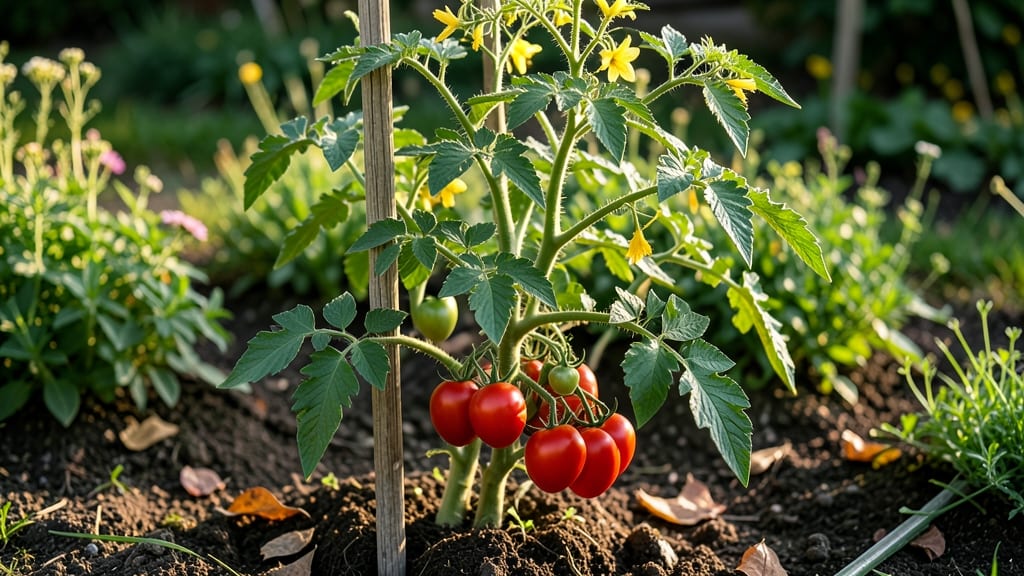
If you’ve ever wondered how tall will a tomato plant grow in your garden, the answer isn’t one-size-fits-all—it depends entirely on the variety you choose. Some 🍅 plants stay compact, perfect for small spaces, while others can climb like vines, reaching heights that might surprise you.
Determinate varieties, like the classic Roma or Bush Early Girl, typically max out around 3-5 feet, making them ideal for containers or tight garden plots. But indeterminate types? Those are the sky-scrapers of the tomato world, stretching 6-12 feet or more with proper support.
The right choice can mean the difference between a manageable harvest and a jungle of sprawling vines.
Your garden’s layout and growing goals play a huge role too. Whether you’re working with limited balcony space or dreaming of a towering trellis, understanding these growth patterns helps you plan for success.
Let’s break down the heights, varieties, and tips to keep your plants thriving—no matter how tall they get.
From dwarf varieties that fit in pots to sprawling giants that need a sturdy stake, we’ll cover everything you need to know. Ready to turn your garden into a tomato powerhouse? Let’s get started.

Tomato plant height chart: determinate vs indeterminate varieties explained
Tomato plants come in two main growth types: determinate and indeterminate, and their heights vary dramatically. Determinate varieties grow to a fixed height—typically 3 to 5 feet—and produce fruit all at once.
In contrast, indeterminate varieties can reach 6 to 12 feet or taller, with continuous fruit production throughout the season. Choosing the right type depends on your space, time, and harvest goals.
If you’re working with limited space—like a balcony or small garden—determinate tomatoes are ideal because they stay compact and produce a single, heavy harvest. For larger gardens or vertical gardening, indeterminate varieties thrive when trained upward, saving ground space while delivering a steady supply of tomatoes.
Understanding these differences helps you plan your garden layout and support systems effectively.
Here’s a quick comparison of popular varieties and their mature heights to help you decide which fits your garden best.
🌱
For determinate tomatoes, the key is their predictable growth. These plants focus energy on producing fruit at once, making them perfect for canning or preserving. Varieties like Cherry Roma or Bush Early Girl stay under 4 feet, so they’re great for 5-gallon buckets or raised beds.
However, their single harvest means you’ll need to replant or buy new seeds the following year if you want more tomatoes.
On the other hand, indeterminate tomatoes are the marathon runners of the garden. They keep growing and producing fruit until frost, often reaching 10 feet or more if left unchecked. This makes them ideal for vertical gardening—think trellises, cages, or even hanging systems.
Varieties like Sungold or Brandywine can climb higher than a basketball hoop, so plan for sturdy support to avoid breakage from heavy vines and fruit.
If you’re new to gardening, start with semi-dwarf varieties like Roma or Celebrity. They strike a balance, growing 3 to 5 feet tall while offering continuous harvests. These are versatile enough for ground planting or containers and don’t require as much maintenance as their taller counterparts.
Plus, their manageable height makes them easier to care for and harvest.
Another factor influencing height is your climate. In warmer regions, indeterminate varieties can grow even taller due to longer growing seasons. In cooler areas, they might stay shorter but still benefit from vertical support.
Always check the USDA zone recommendations for your chosen variety to ensure it thrives in your location.
Pro tip: If you’re growing indeterminate tomatoes in a small space, prune aggressively to control height. Remove suckers (the small shoots that form in the leaf axils) regularly to encourage bushier growth and better air circulation.
This not only keeps the plant manageable but also reduces the risk of diseases like blight.
For determinate tomatoes, pruning is less critical, but you can still remove lower leaves to improve airflow and reduce soil-borne diseases. Focus on keeping the plant’s base clear of debris, which helps prevent fungal issues.
Both types benefit from mulching to retain moisture and regulate soil temperature, especially during hot summers.
🌿
Tomato plant height chart: determinate vs indeterminate varieties explained
Understanding how tall will a tomato plant grow starts with knowing the two main growth types: determinate and indeterminate varieties. Determinate tomatoes grow to a fixed height—usually 3-5 feet—and produce fruit all at once.
Indeterminate varieties, on the other hand, keep growing 6-12 feet or taller, yielding fruit continuously until frost. Your garden’s layout and support system will hinge on this difference.
For small spaces, compact determinate varieties like 'Tiny Tim' (2-3 feet) or 'Patio' (3 feet) are perfect for containers or windowsills. Meanwhile, sprawling indeterminate types like 'Brandywine' or 'Sungold' need tall stakes or trellises to reach their full potential.
The right choice depends on your space and how much vertical gardening you’re willing to embrace.
Here’s a quick height breakdown to help you visualize:
| Variety Type | Mature Height | Growth Habit | Best For |
|---|---|---|---|
| Determinate | 3–5 ft | Bushy, compact | Containers, small gardens |
| Indeterminate | 6–12+ ft | Vining, continuous growth | Trellises, large gardens |
| Examples | — | — |
|
If you’re growing indeterminate tomatoes, expect them to climb aggressively if unsupported. Without a trellis or stake, they’ll sprawl across the ground, risking disease and poor air circulation. Determinate varieties, however, are self-supporting and ideal for bush-style gardens or heavy mulch beds.
Both types thrive with 6-8 hours of sun and well-draining soil, but their height will dictate how you train and space them.
For balcony gardens, dwarf varieties like 'Micro Tom' (1-2 feet) or 'Balcony Red' (3 feet) are game-changers, producing fruit in pots. Meanwhile, larger gardens can accommodate tall indeterminate varieties like 'Cherokee Purple' (8-10 feet) with a sturdy trellis.
The key is matching the plant’s growth habit to your space and support system.
Pro tip: Prune indeterminate varieties regularly to direct energy toward fruit production rather than excessive foliage. Remove suckers (side shoots) to improve airflow and reduce disease risk. With the right approach, even 12-foot vines can yield pounds of tomatoes—if you’re willing to invest in support!
Now that you know the height ranges, let’s tackle how to manage those towering plants—pruning, staking, and trellising are your next steps. 🌱