
How To
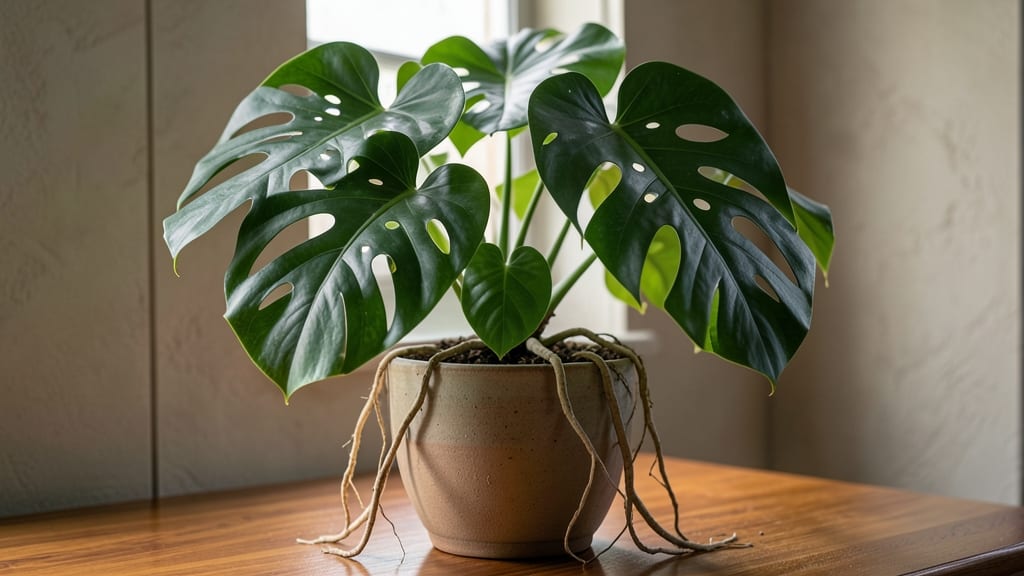
If your Monstera plant needs how much light to thrive, you’re not alone—most people get it wrong. The truth is, this tropical beauty thrives in bright, indirect light, but too much direct sun can fry its leaves faster than you can say "leaf burn."
Let’s fix that with the exact light formula your Monstera needs to grow lush and strong.
Picture this: your plant basking in 4-6 hours of filtered sunlight daily, like an east-facing window with sheer curtains. That’s the sweet spot—enough light to fuel growth without scorching those iconic split leaves.
But what if your home lacks natural light? Don’t worry, I’ll show you how to mimic perfect conditions with artificial grow lights and simple adjustments.
You’ll learn how to spot the signs of over- or under-lighting, from crispy edges to leggy vines, and how to tweak your setup in just a few minutes. Whether you’re a beginner or a seasoned plant parent, these tips will keep your Monstera happy year-round—no guesswork required.
Ready to transform your plant’s health? Let’s dive into the exact light conditions that’ll have your Monstera reaching for the sky (literally) in no time.

Ideal light requirements for Monstera plants: hours and intensity breakdown
Your Monstera plant thrives in bright indirect light, but finding that sweet spot can feel like a guessing game. Too little light leads to leggy growth and small leaves, while too much causes leaf burns and crispy edges.
The key is understanding how much light your plant needs at each stage of growth.
For juvenile Monsteras (those under 2 feet tall), aim for 2-4 hours of indirect sunlight daily. Mature plants can handle up to 6 hours of bright indirect light, but never direct sun. Think of it like a dappled forest floor—soft, filtered light is perfect.
🌿
If your Monstera leaves start developing yellow patches or brown spots, it’s a red flag. Yellowing usually means too much direct sun, while brown spots can signal underwatering combined with low light.
Always check the leaf surface—if it feels crispy to the touch, move your plant away from harsh light immediately.
For artificial light, grow lights are a game-changer in dim rooms. Use a full-spectrum LED 10-12 inches above the plant for 12-14 hours daily. LED bulbs labeled "for plants" emit the right blue and red wavelengths to mimic natural light without the heat.
Pro tip: Rotate your Monstera plant every 2-4 weeks so all sides get even light exposure. This prevents lopsided growth and ensures those iconic split leaves develop symmetrically. Uneven light is the #1 reason Monsteras grow crooked!
🪴
In winter months, natural light drops by 30-50%, so supplement with a grow light if you notice slow growth or stretched stems. Place the light closer (6-8 inches) for weaker winter sun, then gradually increase distance as days lengthen in spring.
Remember: Monsteras are adaptable, but they won’t thrive in dark corners. If your home lacks natural light, invest in a high-quality grow light—your plant’s health depends on it. The goal is consistent, gentle light, not intense sun.
☀️
Ideal light requirements for Monstera plants: hours and intensity breakdown
Your Monstera plant thrives on bright indirect light—think of it like a sunbathing lover of shade. Too little light and it stretches toward windows, growing leggy and weak. Too much direct sun, and those gorgeous leaves develop brown crispy edges.
The sweet spot? 4-6 hours of filtered sunlight daily, positioned 3-5 feet from an east-facing window.
Monstera plants are adaptable, but their light needs shift with maturity. Juvenile plants (under 2 feet tall) tolerate low-light conditions better than their mature counterparts. Once they reach mature size (6+ feet), they crave more light to support their large fenestrated leaves.
Without enough light, their leaves stay small and solid green—missing those iconic split patterns.
Here’s how to spot light deficiencies in your Monstera: yellowing leaves, slow growth, or brown spots on older foliage. These are red flags that your plant isn’t getting enough light—or too much harsh sunlight.
The key is balance, and your Monstera will reward you with glossy, vibrant leaves when you get it right.
| Plant Stage | Light Needs | Signs of Stress | Solution |
|---|---|---|---|
| Juvenile (<2 ft) | Low to medium indirect light (2-4 hrs) | Leggy growth, small leaves | Move closer to window or use grow light |
| Mature (2-6 ft) | Bright indirect light (4-6 hrs) | Brown leaf edges, slow growth | Rotate plant weekly for even light exposure |
| Large Mature (>6 ft) | High indirect light (6+ hrs) | Yellow leaves, no fenestrations | Use sheer curtain to diffuse direct sun |
If you’re dealing with low-light conditions, consider supplementing with a grow light. A 12-15 watt LED grow bulb placed 12-18 inches above your plant mimics natural sunlight.
Run it for 12-14 hours daily to keep your Monstera happy. Just avoid placing it too close—direct artificial light can cause leaf burn just like sunlight.
Pro tip: Rotate your Monstera every 2-4 weeks to ensure even growth. Plants lean toward their light source, which can cause uneven development. A simple quarter-turn keeps those leaves balanced and symmetrical. Watch how your plant responds—if it’s reaching for more light, it’s time to adjust its spot.
Remember, Monsteras are survivors. They’ll adapt to medium-light conditions, but they’ll never reach their full potential without the right balance. Give yours the bright indirect light it craves, and you’ll be rewarded with those iconic, dramatic leaves that make this plant a showstopper.