
Companion Plants
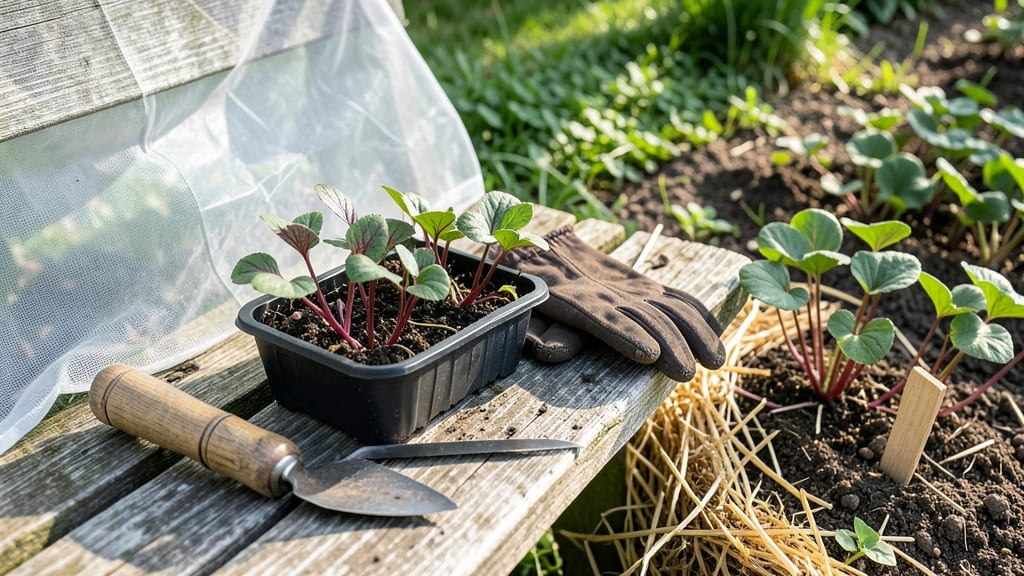
If you’ve ever wondered when can I plant beets in Zone 7 to avoid the disappointment of woody, bitter roots instead of the sweet, crisp 🍠 you craved, you’re not alone—and the culprit is likely timing.
Planting beets in Zone 7 at the wrong moment can turn your harvest into a disappointment, but getting the window right means juicy roots all season long.
The key to growing perfect beets lies in understanding your last frost date, which for Zone 7 (7a/7b) typically lands around mid-April. Plant too early, and cold soil slows germination; too late, and the heat sends your beets bolting before you can enjoy them.
I’ll break down the exact weeks before frost to plant for ideal results, plus how to stretch your harvest with smart succession planting.
Whether you’re a first-time gardener or a seasoned pro, knowing when to plant beets in Zone 7 makes all the difference.
We’ll cover soil prep, spacing, and even how to adjust for coastal vs. inland microclimates so you can avoid common mistakes and enjoy a steady supply of homegrown beets from June through December.
Ready to transform your garden into a beet bonanza? Let’s dive into the precise timing and tips you need to grow the sweetest, most tender roots your Zone 7 garden has ever seen.

Exact weeks before last frost to plant beets in Zone 7 for best results
In Zone 7, the last average frost date typically falls around April 15, but your exact timing depends on your specific microclimate. For crisp, sweet beets, aim to plant 4-6 weeks before your last frost—usually between late February and early April.
This window ensures soil temperatures stay cool (50-65°F) and prevent premature bolting.
Beets are cool-season crops, meaning they thrive when soil temps are below 70°F. Planting too early in cold soil (below 40°F) slows germination, while waiting too long risks woody, tough roots as summer heat sets in.
Use a soil thermometer to confirm readiness—ideal temps are 50-65°F at planting depth.
| Stage | Action | Zone 7 Timeline |
|---|---|---|
| Soil Prep | Test pH (6.0-7.0), amend with compost | Late February (6-8 weeks before last frost) |
| Spring Planting | Sow seeds ½" deep, 1-2" apart | Late February–Early April (4-6 weeks before last frost) |
| Thinning | Thin to 3-4" apart when seedlings are 2" | 4-6 weeks after sowing |
| Harvest Window | Pick when roots are 1-3" diameter | June–August (50-70 days after planting) |
| Fall Planting | Sow seeds 8-10 weeks before first frost | Late July–Early August |
For fall harvests, plant again in late July or early August, about 8-10 weeks before your first frost (typically October 15 in Zone 7). This second planting ensures a continuous supply of fresh beets while avoiding the summer heat that causes bolting.
Choose heat-tolerant varieties like 'Detroit Dark Red' or 'Chioggia' for better success.
If your Zone 7 microclimate runs warmer (e.g., inland areas), adjust planting 2 weeks earlier to escape summer heat. Conversely, cooler areas (e.g., near water bodies) can plant 2 weeks later. Always monitor soil temps—beets hate heat stress, which turns roots woody and bitter.
Pro tip: Use row covers or shade cloth if planting in early spring or late summer to protect seedlings from temperature swings. This buys you an extra 2-3 weeks of flexibility in marginal timing. Just remove covers once plants are established to avoid overheating.
Never plant beets when soil temps exceed 75°F—this triggers bolting (flowering), and the roots become tough and inedible. If your summer heat arrives early, opt for fast-maturing varieties like 'Babybeat' (ready in 45 days) to harvest before bolting occurs.
For succession planting, sow new seeds every 2-3 weeks from spring through early summer. This staggered approach ensures a steady harvest and reduces the risk of overcrowding, which stunts root growth. Mark your calendar for April, May, and June as your key planting months in Zone 7.
Remember: Beets are biennials, meaning they store energy in their roots for next year’s growth. Planting at the wrong time disrupts this cycle, leading to poor storage quality.
Stick to the 4-6 week pre-frost rule for spring and 8-10 week pre-frost rule for fall to maximize sweetness and texture.
🌱
Exact weeks before last frost to plant beets in Zone 7 for best results
In Zone 7, beets love the cool spring soil but bolt (go to seed) when summer heat arrives. To nail the perfect planting window, aim for 4-6 weeks before your last frost date—typically mid-March to early April in most of Zone 7.
For example, if your last frost is April 15, plant seeds between March 15 and March 30 for baby beets or March 20-April 5 for full-sized roots.
Soil temperature is your secret weapon: beets sprout best when soil is 45-75°F. Use a soil thermometer to confirm—if it’s colder, wait. Pro tip: Mix in compost 2 weeks before planting to warm the soil faster.
In Zone 7a (colder microclimates), push planting to late March to avoid frost damage.
🌱
| Planting Window | Zone 7 Timing | Soil Temp | Notes |
|---|---|---|---|
| Early Spring | March 15–April 5 | 45–75°F | Best for baby beets; use row covers if frost threatens |
| Late Summer | July 15–August 15 | 60–70°F | Choose heat-tolerant varieties like 'Detroit Dark Red'; harvest before September |
| Fall | September 1–October 1 | 50–65°F | Direct-sow for winter storage; mulch heavily after first frost |
Don’t overlook fall planting—it’s a Zone 7 gardener’s secret weapon. Sow seeds 8-10 weeks before your first frost (typically early September) for a second harvest. Beets store well in cool soil, so they’ll keep producing until late October or November in mild microclimates.
Just avoid planting too close to frost—roots can become woody if stressed.
For succession planting, sow every 2 weeks from March to July. This ensures a continuous harvest and prevents overcrowding. Space seeds 1-2 inches apart in rows 12 inches apart, and thin seedlings to 3-4 inches when they’re 2 inches tall.
Thinning reduces competition and gives roots room to plump up.
💡 Microclimate matters: Coastal Zone 7 areas (like Asheville, NC) can plant 2 weeks earlier than inland spots (like Atlanta, GA). Use a local frost calendar or ask your extension office for precise dates.
If you’re unsure, err on the side of late spring planting—beets tolerate cooler soil better than heat.
Finally, test your soil before planting. Beets thrive in loamy, well-draining soil with a pH of 6.0-7.0. If your soil is heavy clay, amend it with compost or sand to improve drainage.
Avoid fresh manure—it can cause bolting or forked roots. A simple soil test kit (under $20) is worth the investment for crisp, sweet harvests.