
Companion Plants
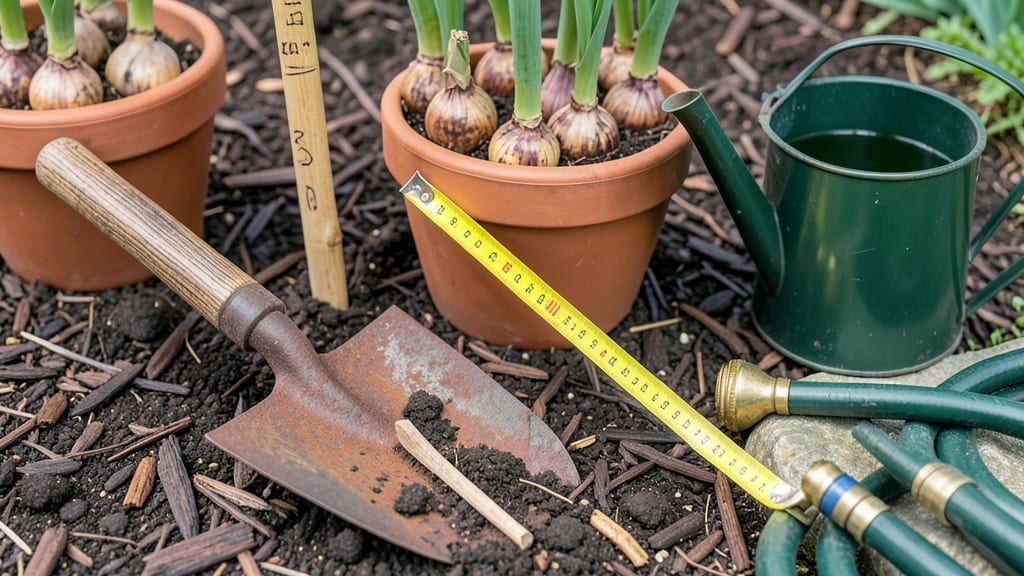
When can I plant potted tulips in the ground? Timing matters more than you think—plant them too early, and frost could turn your bulbs to mush. Too late, and you might miss the perfect window for next spring's vibrant blooms.
For USDA Zone 6a gardeners like you, the ideal planting window is between September and November for fall planting or April-May after the last frost. But here's the catch: the exact timing depends on your local frost dates and soil conditions.
Let me break down the precise months to plant for zero frost risk in your area.
You'll also want to know how to prepare your garden soil for these delicate bulbs. The right depth, drainage, and mulching can make all the difference between thriving tulips and struggling ones. I'll walk you through each critical step so your potted tulips transition smoothly into their permanent home.
Ready to guarantee those show-stopping spring blooms? Let's dive into the exact months and methods that will set your tulips up for success—no more guessing games about when to plant.
Exact months to plant potted tulips by USDA zone for frost-free success
Timing is everything when transplanting potted tulips into your garden. Plant them too early, and frost can damage delicate bulbs. Too late, and they won’t establish roots before winter dormancy. The key is understanding your USDA hardiness zone and local frost dates to choose the perfect window.
For most regions, fall planting (6-8 weeks before first frost) yields the best results, but spring planting works too if done correctly.
In USDA Zones 3-5, aim for September to mid-November—this gives bulbs time to root before winter. Zones 6-8 can extend planting until December, while Zones 9-10 have a broader window (even January in some coastal areas).
Spring planting is ideal for Zones 7-10 after your last frost date, typically March-April.
Why timing matters: Tulips need 4-6 weeks of root growth before winter to survive freezing temperatures. Planting too late means bulbs won’t anchor, while early planting risks rot in soggy soil. Always check your local frost dates—they vary even within the same zone due to elevation or microclimates.
| USDA Zone | Fall Planting Window | Spring Planting Window | Soil Temp Threshold | Key Risk |
|---|---|---|---|---|
| 3-4 | Mid-August to early October | April-May (after frost) | 45-50°F (7-10°C) | Early frost |
| 5-6 | September to mid-November | March-April | 50-55°F (10-13°C) | Late-season rot |
| 7-8 | October-December | February-March | 55-60°F (13-16°C) | Heat stress |
| 9-10 | November-January | January-February | 60-65°F (16-18°C) | Dormancy delay |
⚠️ Pro Tip: Coastal areas (e.g., Pacific Northwest) can plant 2-4 weeks later than inland zones due to milder winters.
For coastal climates, like the Pacific Northwest or California, extend your planting window by 2-4 weeks—mild winters mean less frost risk. Inland areas, however, should stick to the earlier dates to avoid winter freezes.
Always dig a hole twice as wide as the pot and plant at the same depth as the potted bulb to prevent rot or exposure.
If you’re unsure about your zone, use the USDA Plant Hardiness Zone Map to locate your area. Then, subtract 6-8 weeks from your first frost date for fall planting.
For example, if your first frost is November 15th, plant by September 20th. This ensures bulbs establish roots before winter sets in.
Spring planting is riskier but works in warmer zones (7-10). Wait until soil temperatures reach 55°F (13°C) and all frost danger has passed. In colder zones, spring planting often results in bolting (premature flowering) or weak growth, so fall is preferred.
One common mistake is planting based on calendar months instead of soil conditions. Always check soil temperature with a soil thermometer—tulips need cool but not freezing soil (ideally 45-60°F / 7-15°C). Overly warm soil can trigger early sprouting, while cold soil stunts root growth.
After planting, mulch with 2-3 inches of organic mulch (straw or shredded leaves) to insulate bulbs and retain moisture. This is especially critical in Zone 3-5, where winter temperatures can drop below -10°F (-23°C).
Water deeply once after planting, but reduce watering as temperatures drop—wet bulbs in winter rot faster.
Remember: Fall-planted tulips bloom the following spring, while spring-planted bulbs may take 1-2 years to reach full bloom. For guaranteed results, stick to the fall timeline and your garden will reward you with vibrant, long-lasting blooms year after year.
5 Critical signs your potted tulips are ready for ground planting (and 3 mistakes to avoid)
Timing is everything when moving potted tulips to the ground, but visual cues from the bulbs themselves tell you exactly when to act. Look for these 5 key signs that your tulips are ready to transition—ignoring them could mean stunted growth or failed blooms next spring.
First, check for root-bound roots spilling from the pot's drainage holes. Healthy roots should fill the container but not circle tightly. Next, examine the leaf size—mature leaves should reach 6-8 inches tall with a deep green color, signaling the bulb has stored enough energy for transplantation.
Here’s the visual guide to watch for:
- Roots spilling from drainage holes
- Leaves 6-8 inches tall, deep green
- Stems firm and upright (not floppy)
- Bulb base slightly swollen when gently squeezed
- Soil lightly moist but not soggy
Now, let’s address the 3 biggest mistakes gardeners make when transplanting potted tulips. Planting too early—before the soil temperature drops below 50°F—can shock the bulbs. Conversely, waiting until after the first frost risks freezing dormant bulbs before they establish roots.
Another error is overwatering before transplanting, which weakens roots and makes them prone to rot. Always let the soil dry slightly between waterings in the weeks leading up to planting.
Finally, skipping the hardening process by moving potted tulips directly from shade to full sun can scorch leaves—gradual exposure is key.
Pro tip: If your tulips are still dormant (no leaves or roots) when you’re ready to plant, store them in a cool, dark place until spring. But if they’ve already sprouted, act within 2-3 weeks to avoid stressing the emerging shoots.