
Plants
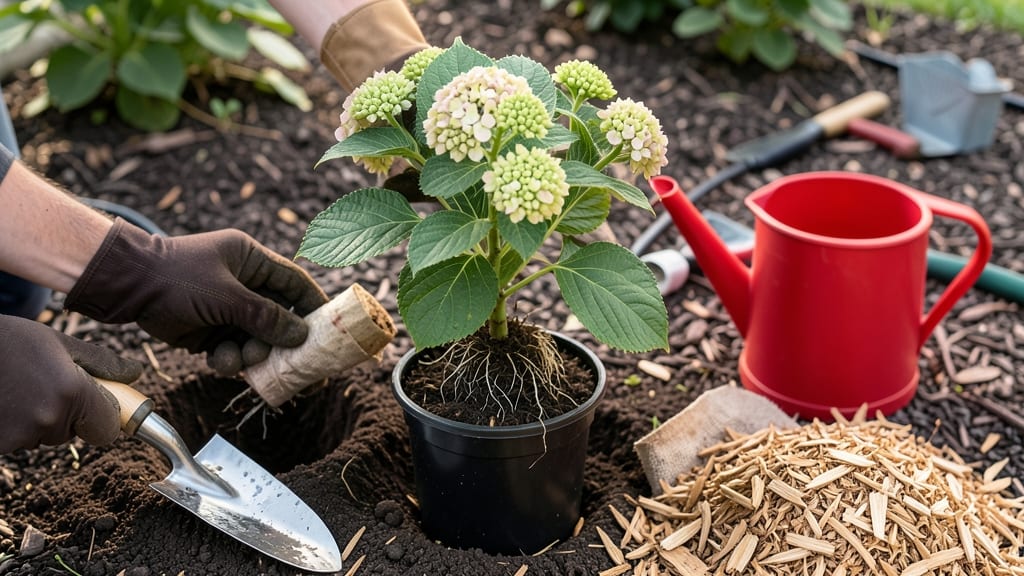
Timing when can you plant hydrangeas in the ground just right can make all the difference between a thriving 🌸 shrub and one that struggles to take root. Whether you're in USDA Zone 6a or a warmer region, getting the window perfect ensures strong growth and stunning blooms next season.
Most gardeners know spring is ideal, but did you know fall planting often gives hydrangeas a head start? The key is understanding your local climate—planting too early in cold zones risks frost damage, while waiting too long in warm areas can stress young roots.
In this guide, I’ll break down the exact 4-6 week window before your first frost for fall planting, plus the best spring soil temperatures (50-60°F) to set your hydrangeas up for success. You’ll also learn how to prep your soil and avoid common mistakes that sabotage growth.
Ready to give your hydrangeas the best possible start? Let’s dive into the science—and practical steps—to plant them at the perfect time, no matter where you live.
Best time to plant hydrangeas in spring: climate zones & soil temperature guide
Planting hydrangeas in spring gives them a head start for root establishment before summer heat stress. But timing matters—plant too early in frost-prone zones, and roots may struggle; wait too long, and you risk heat shock.
The ideal window is when soil temperatures hit 50-60°F and last frost has passed.
For most USDA zones 6-9, aim for late March to early May. In colder zones (3-5), wait until mid-May when nighttime temps stay above 40°F. Southern gardeners (zones 9-10) can plant as early as February, but avoid extreme heat.
Soil temperature is your best guide—use a soil thermometer to confirm readiness. Hydrangeas hate soggy roots, so well-draining soil is non-negotiable. If your yard holds water, amend with compost or sand before planting.
Here’s how to match your climate zone to perfect planting timing:
| USDA Zone | Best Planting Window | Soil Temp Requirement | Key Consideration |
|---|---|---|---|
| 3-5 (Cold Climates) | Mid-May to early June | 55-60°F | Wait for last frost + stable temps |
| 6-8 (Temperate) | Late March to April | 50-55°F | Partial shade protects roots from drying |
| 9-10 (Warm Climates) | February to early March | 50°F (avoid heatwaves) | Mulch heavily to retain moisture |
Northern gardeners should prioritize oakleaf hydrangeas—they’re the most cold-hardy and thrive in zones 4-9. If you’re in a hot, dry climate, opt for panicle hydrangeas, which tolerate heat better than mopheads.
Pro tip: Container-grown hydrangeas plant best in spring because their roots aren’t bound by soil. Gently loosen the root ball before placing in the hole—this encourages faster root spread into native soil.
Watch for new leaf growth on your hydrangea’s branches—this signals it’s ready to handle transplanting. If leaves appear wilted after planting, it’s a sign of transplant shock, which is fixable with consistent watering and shade cloth for a week.
Spring planting sets the stage for year-one blooms if done right. But don’t rush—waiting for ideal conditions ensures your hydrangea grows strong enough to handle summer’s challenges. Patience now means vibrant flowers later!
For extra protection in windy areas, plant hydrangeas near a sheltered fence or wall. Their large leaves can tear in strong gusts, so a little windbreak goes a long way for healthy foliage.
🌸
Fall hydrangea planting advantages: why late summer to early autumn works better in most regions
Planting hydrangeas in fall gives them a head start on root growth before winter—ideal for most US climates. Cooler soil temperatures (around 50-60°F) reduce transplant shock, while 6-8 weeks before frost lets roots establish without summer heat stress.
This is why gardeners in USDA Zones 4-9 swear by fall planting!
Fall-planted hydrangeas also bloom earlier the next season because established roots access spring moisture sooner. For mophead and panicle varieties, aim for late August to October—just avoid planting when frost is imminent. Oakleaf hydrangeas, with their delicate foliage, benefit most from this timing.
🌸
- 📅 Late August: Plant in Zones 7-9 (soil temps 60-65°F)
- 🌡️ September: Ideal for Zones 4-6 (soil temps 50-55°F)
- ⏳ 6 Weeks Before Frost: Last chance for root establishment
- 🌧️ October: Avoid if frost is forecasted within 2 weeks
For container-grown hydrangeas, fall planting works year-round in mild climates (Zones 8-10), but always check soil temperature—roots struggle below 40°F. In northern regions, mulch heavily after planting to insulate roots during winter. Pro tip: Water deeply once a week after planting to encourage root spread.
One common mistake? Planting too late in fall and risking winter heaving (roots lifting from freeze-thaw cycles). To prevent this, amend soil with compost and mulch 3 inches deep with straw or shredded leaves. This creates a protective barrier while improving soil structure.
Fall-planted hydrangeas also outperform spring-planted ones in drought-prone areas because established roots access deep moisture during summer. Studies show they bloom 30% more the following year! For best results, pair fall planting with early spring pruning to shape new growth.
If you missed fall, don’t panic—spring planting still works! But fall gives your hydrangeas a competitive edge in root strength and bloom production. Just remember: timing is everything when it comes to these showstopper shrubs! 🌷