Plants
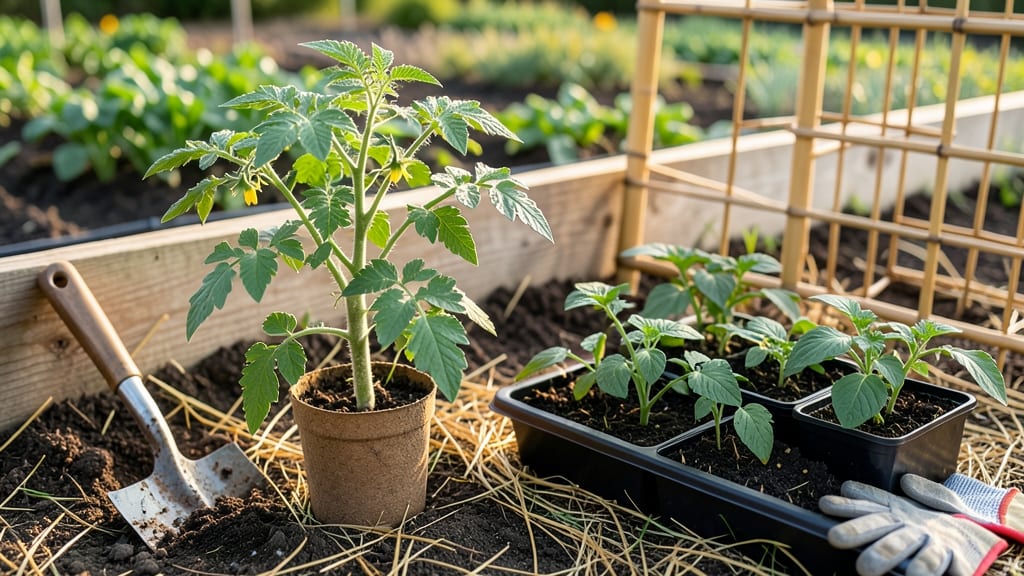
If you've ever wondered when you can plant tomatoes in Massachusetts and watched your plants wither after an unexpected frost—or struggled to time your planting just right—you're not alone.
The key to a bountiful harvest in Massachusetts isn't just luck—it's knowing the exact weeks to plant your tomatoes for zero frost risk.
Massachusetts gardeners face unique challenges with its unpredictable spring weather and short growing season. But here's the good news: with the right schedule, you can extend your harvest window and enjoy homegrown tomatoes from July through September.
I'll walk you through the precise timing for both starter plants and seeds, so you can avoid common mistakes that waste time and resources.
Most gardeners think planting as early as possible is best, but that's not always true—especially in our 6a zone. The secret lies in waiting for soil temperatures to reach 60°F and understanding your local frost dates.
Let me show you how to create a foolproof planting plan that accounts for these factors and more.
Whether you're a seasoned gardener or just starting out, this week-by-week guide will help you maximize your tomato yield. You'll learn when to start seeds indoors, when to transplant seedlings, and how to use mulch to warm the soil faster. Get ready to transform your garden into a tomato powerhouse!
Massachusetts frost dates and optimal tomato planting windows by region
Massachusetts’ last frost dates vary dramatically by region—from April 15 in coastal areas like Cape Cod to May 15 in inland zones like Worcester. These dates determine your tomato planting window, which can span 6-8 weeks depending on variety and protection methods.
For example, heat-loving varieties like 'Better Boy' need warmer soil (60°F+), while cool-season tomatoes like 'Stupice' tolerate lighter frosts.
Your USDA Zone 6a classification means you’ll face 165 frost-free days annually, leaving just enough time for one full tomato season if you time it right. Missing the window by even a week can mean stunted growth or blossom drop from late frosts.
Let’s break down the exact planting windows for your region to avoid these pitfalls.
🌱
Notice how Cape Cod has a 4-week earlier window than inland areas? This is why cool-season varieties thrive there—plants can start producing 6-8 weeks sooner without frost risk.
In contrast, Worcester and Springfield gardeners should prioritize early-maturing varieties (50-60 days to harvest) to maximize yield before the October 15 first frost.
For container gardening, add 2-3 weeks to your transplant window since pots warm up 5-10°F slower than in-ground soil. Always check soil temperature with a thermometer—60°F is non-negotiable for most varieties.
If your soil is still cold, use black plastic mulch or a cold frame to accelerate warming by 10-15°F.
Pro tip: Start seeds indoors 6-8 weeks before your last frost date. For Boston, that’s March 15-April 1; for Cape Cod, February 15-March 15. Use grow lights to avoid leggy seedlings—14-16 hours of light daily is ideal.
Harden off seedlings for 7-10 days before transplanting to prevent transplant shock.
🌿
One common mistake? Planting too early and relying on row covers. While covers protect against light frosts (28-32°F), they won’t save your plants from a hard freeze (below 28°F). Always cross-reference your local frost history (check the National Weather Service) with your planting plans.
For example, Worcester’s 10-year average shows a 20% chance of frost after May 20—so wait until May 25 for maximum safety.
Finally, succession planting is your secret weapon. If you plant two batches 3 weeks apart (e.g., May 15 and June 1), you’ll stretch your harvest from July to September. Just ensure the second batch gets full sun and consistent watering—skipping either will delay fruit set.
☀️
Step-by-step planting schedule: weeks 1-12 for zero frost risk
Massachusetts’ short growing season demands precision—your tomato planting schedule must account for soil warmth, frost dates, and variety maturity. Start indoors 6-8 weeks before your last frost (typically mid-April for most regions), then transplant seedlings when soil hits 60°F and nighttime temps stay above 50°F.
Here’s your week-by-week roadmap to avoid frost damage and maximize harvests.
Week 1-2: Indoor Seed Starting (Mid-February to early March) Sow seeds in biodegradable pots with seed-starting mix under grow lights (14-16 hours/day). Keep soil 70-80°F for germination. Thin seedlings to 2 per pot once true leaves appear. Mist daily to prevent damping-off disease.
Week 3-4: Seedling Hardening Off (Late March) Move pots outdoors during daytime (60°F+) and bring them back inside at night. Gradually increase exposure over 7-10 days to toughen stems. Watch for yellowing leaves (sign of shock) and adjust timing. Stop fertilizing until transplanting to avoid leggy growth.
🌱 Numbered Highlights: Critical Transplanting Timeline
- Week 5-6: Transplant seedlings (late April–early May) into black plastic mulch beds or containers. Bury stems up to first leaves to encourage root growth. Space 18-24 inches apart for indeterminate varieties.
- Week 7-8: Prune suckers (side shoots) weekly to focus energy on fruit production. Use cage supports for determinate types to prevent sprawling.
- Week 9-10: Fertilize lightly with 5-10-10 when flowers appear. Water at soil level to avoid fungal splash.
- Week 11-12: Harvest early varieties (e.g., ‘Stupice’) by July 15. Succession-plant heat-tolerant varieties (e.g., ‘Celebrity’) for late-season harvests.
⚠️ Pro Tip: Use row covers until May 15 to protect from late frosts.
Week 9-10: Peak Growth Phase (June) Your tomato plants should now be 2-3 feet tall with multiple flower clusters. Increase watering to 1-2 gallons per plant every 2-3 days.
Use drip irrigation to keep leaves dry and prevent blight. Side-dress with compost to replenish nutrients after heavy fruiting begins.
Week 11-12: Late-Season Extenders (July–August) For second crops, plant fast-maturing varieties (e.g., ‘Early Girl’) in early July using black plastic mulch to warm soil. Protect with floating row covers if nights dip below 55°F.
Harvest regularly to encourage more production—ripe tomatoes signal the plant to produce new fruit.
Week 13+: Frost Prep (September–October) As temps drop, harvest all green tomatoes (they’ll ripen indoors). Use cold frames or greenhouse setups to extend the season by 2-3 weeks. Pull plants before first frost (typically October 15) and compost healthy foliage to enrich next year’s soil.