
Companion Plants
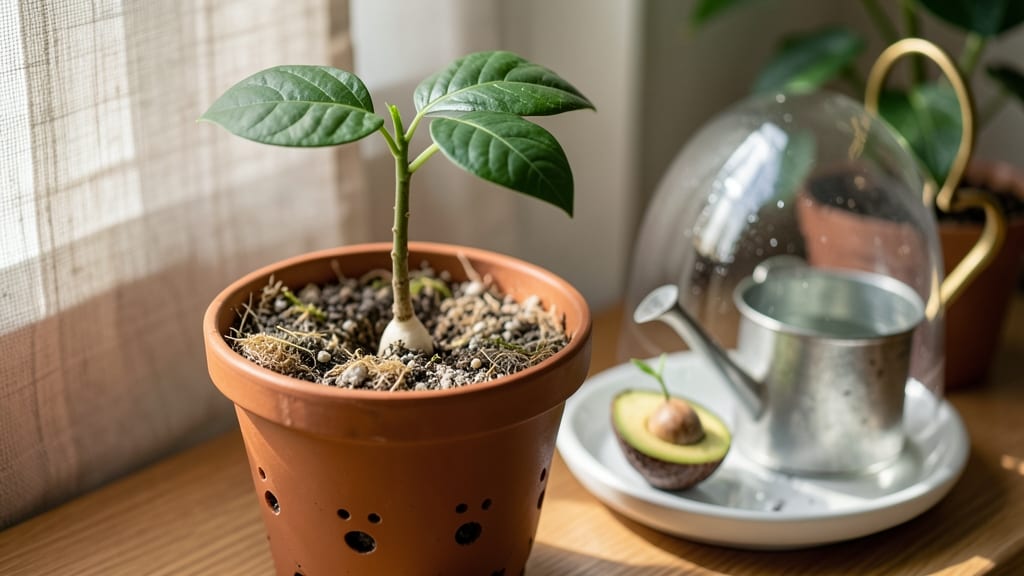
Planting your avocado seed in soil at the wrong time can mean the difference between a thriving 🥑 seedling and a sad, rotting mess. The key to success lies in understanding your local climate and the seed’s development stages—because rushing it too soon or waiting too long both spell trouble for your future tree.
Most gardeners start by soaking their seed in water until roots emerge, but the real challenge comes when it’s time to transition that delicate root system into soil.
Whether you're in Zone 6 or a warmer region, timing this move correctly ensures your seedling gets off to a strong start without shock or disease.
In this guide, I’ll walk you through the exact germination timeline for transplanting your avocado seed into soil, broken down by hardiness zone. You’ll learn when to act, how to spot readiness in your seedling, and what soil conditions will give it the best chance to thrive.
No more guesswork—just proven steps to help your avocado seedling grow into a healthy, robust plant. Let’s get started!
Avocado seed germination timeline: when to plant in soil by zone
Timing your avocado seed’s move from water to soil is everything—plant too soon, and the delicate roots rot; wait too long, and growth slows to a crawl.
The key is monitoring root development and temperature thresholds (ideal: 65°F+). Below is your zone-by-zone guide to transplanting, with exact weeks to watch for.
Most gardeners start by suspending their avocado seed in water until roots reach 2-4 inches. This process takes 4-8 weeks, depending on warmth and humidity. Once roots hit that length, it’s time to transition to soil—but not before! Rushing causes root shock and fungal issues.
🌱 Visual Guide: Avocado Seed Germination Timeline by Zone
| USDA Zone | Root Length Ready | Weeks in Water | Best Planting Month | Soil Temp Threshold |
|---|---|---|---|---|
| Zones 9-11 (Tropical) | 2-3 inches | 4-6 weeks | Year-round (indoor/outdoor) | 65°F+ |
| Zones 8 (Coastal) | 3-4 inches | 5-7 weeks | March-May (spring) | 70°F+ |
| Zones 7 (Temperate) | 3-4 inches | 6-8 weeks | April-June (after frost) | 75°F+ |
| Zones 6 & Below (Cold) | 4+ inches | 8-12 weeks | May-July (indoor only) | 80°F+ (indoor heat mat) |
In zones 9-11, where frost is rare, you can plant your avocado seedling outdoors as soon as roots hit 2-3 inches—often within 4-6 weeks. These warm climates mimic the seed’s native habitat, so growth is faster. Just ensure soil stays consistently moist but never soggy.
For zones 7 and below, patience is key. Wait until roots reach 3-4 inches (or longer in colder zones) before transplanting. These seedlings need indoor nurturing until soil temperatures stabilize above 70°F. Use a heat mat if starting early in spring.
Pro tip: If you’re in a cooler zone, start your seed in water indoors by February to maximize root growth before the last frost. This gives you a 6-8 week head start on warmer climates. Place your jar near a south-facing window or under grow lights for 12+ hours/day.
Once your seedling is ready, choose a well-draining potting mix (60% potting soil, 30% perlite, 10% sand) to prevent root rot. Avoid compacted soil—avocado roots need oxygen to thrive. Water thoroughly after planting, then let the top 1 inch of soil dry between waterings.
After transplanting, place your seedling in bright, indirect light for 1-2 weeks to reduce shock. Gradually introduce it to direct sunlight once new growth appears. In zones 10-11, you can move it outdoors after 4-6 weeks; in cooler zones, wait until nighttime temps stay above 50°F.
Remember: Avocado seedlings grow slowly at first. Don’t expect rapid results—focus on consistent care over time. With the right timing, your seedling will establish roots in soil within 2-4 weeks and start putting energy into leaf growth.
🌿
How to tell your avocado seed is ready for soil (key signs)
Transplanting your avocado seed too soon can drown its delicate roots, while waiting too long risks stunted growth. The key is watching for three critical signs that your seedling is ready to move from water to soil.
These indicators ensure your young tree has the strength to thrive in its new environment.
First, your avocado seedling must develop 2-4 inch roots in the water. This root length provides enough stability to support the plant when you transfer it to soil. Roots should appear thick and white, not thin or mushy—a clear sign of healthy root development.
- Roots < 2 inches: Seedling lacks stability; transplanting risks root damage.
- Mushy or brown roots: Sign of rot—do not plant; return to water to dry slightly.
- No root growth after 6+ weeks: Seed may be non-viable; discard and try again.
Next, look for the emergence of first true leaves, not just the initial seed leaves. True leaves are larger, darker green, and more complex in shape.
This indicates the seedling has shifted from relying on the seed’s stored energy to producing its own food through photosynthesis—a crucial step before soil planting.
The third sign is a healthy green stem with no soft or mushy spots. Gently squeeze the stem near the base; it should feel firm, not squishy. A firm stem means the seedling has developed enough vascular tissue to transport water and nutrients efficiently once planted in soil.
Finally, ensure your seedling’s environment meets the minimum temperature requirement of 65°F (18°C). If you’re planting outdoors, wait until nighttime temperatures consistently stay above this threshold to avoid shock. For indoor seedlings, maintain warmth near a sunny window or under grow lights.
Once you’ve confirmed all three signs—2-4 inch roots, true leaves, and a healthy stem—it’s time to transition your avocado seedling to soil. The next step is choosing the right potting mix and container to support its growth without overwhelming its delicate root system.