
Companion Plants
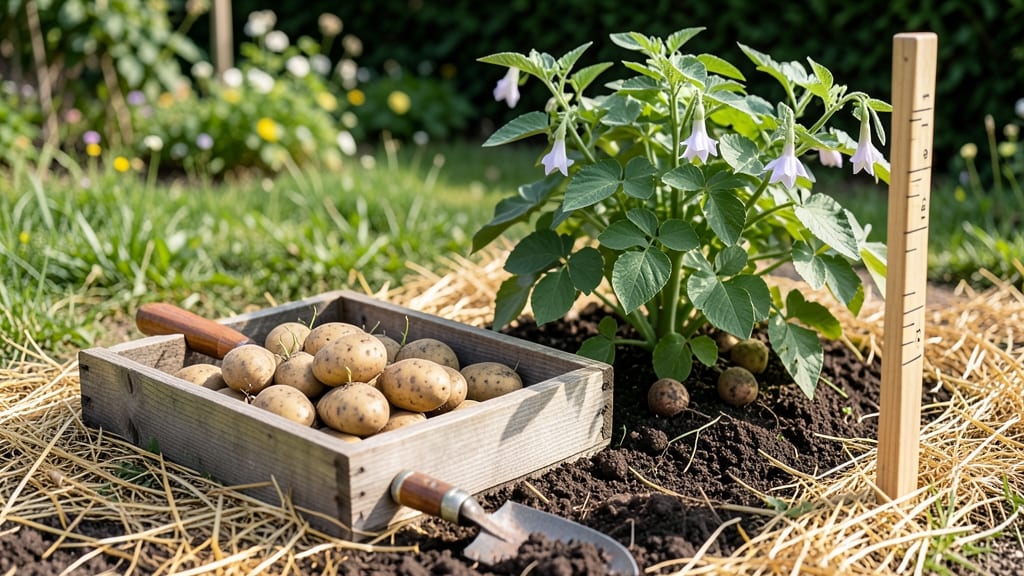
If you’ve ever wondered when to plant potatoes in Zone 7 and why your 🥔 potatoes either rot in the ground or never quite reach their full potential, timing is the secret weapon you’ve been missing.
Planting too early risks frost damage, while waiting too long means smaller yields—neither of which you want when you’re dreaming of crisp, homegrown spuds by summer.
The key to success in Zone 7 isn’t just about the calendar—it’s about soil temperature and frost-free deadlines. Most gardeners overlook how critical 45–50°F soil is for sprouting, and that’s where the magic (or the failure) happens.
I’ll show you exactly when to plant for early, mid-season, and late varieties so you can avoid common mistakes and maximize your harvest.
Whether you’re a first-timer or a seasoned gardener, getting this right means fewer wasted seed potatoes and more time enjoying the fruits of your labor.
Let’s break down the best planting windows, soil prep tips, and how to extend your growing season if needed—so you can finally get those perfectly timed potatoes you’ve been hoping for.
Ready to turn your Zone 7 garden into a potato powerhouse? The clock is ticking, and the right timing could mean the difference between a handful of tubers and a bucketful. Let’s get started.

Zone 7 potato planting timeline: exact soil temps & frost dates
Getting your potatoes planted at the right time in Zone 7 means checking both soil temperatures and frost dates. Unlike many crops, potatoes thrive when the ground warms to 45-50°F, signaling it's safe to plant.
In my experience, this usually lands between mid-March and early April, but cooler microclimates may need adjustments.
Zone 7’s last average frost date typically falls around March 15, but I always plant my early varieties 4-6 weeks before this date. This gives them a head start while avoiding frost damage to tender sprouts.
For late-season potatoes, I wait until late April or early May to ensure they mature before fall frosts arrive.
Here’s the key: Soil temperature matters more than air temperature. A cold snap in April won’t kill established potato plants, but frozen soil will delay germination. I use a soil thermometer to confirm the ground has reached 45°F before planting—this prevents rot and ensures even sprouting.
For fall planting, I’ve had success with fingerling varieties planted in August or early September. These mature quickly before the first frost, often yielding smaller but flavorful potatoes.
The trick is to plant them 10-12 weeks before your first frost date—in Zone 7, that’s usually around early November.
One mistake I’ve made is planting too early in February. While possible in warmer microclimates, most of Zone 7 still has frozen ground this early. If you’re tempted to plant early, use black plastic mulch to warm the soil faster.
I’ve seen this method add 2-3 weeks to the growing season in cooler pockets of the zone.
Pro tip: Chit your seed potatoes (sprout them indoors) 2-4 weeks before planting. This gives you a 2-week head start on growth once they’re in the ground.
I place my seed potatoes in a bright, cool spot (around 55°F) and they’re ready to plant when sprouts are 1/2-inch long.
If you’re in a cooler part of Zone 7 (like the Appalachians), aim for late March planting. Warmer areas (like the Piedmont) can start as early as mid-February. Always check your local frost dates—they can vary by 1-2 weeks even within the same zone.
Remember: Potatoes need consistent warmth to grow well. If your soil stays below 50°F for more than a week after planting, germination slows dramatically. Use a row cover if nighttime temps dip below 40°F after planting.
For a continuous harvest, I plant successive crops every 2-3 weeks from March through May. This way, I get potatoes ready to dig from June through September. It’s extra work, but the payoff is fresh spuds all summer!
Zone 7 potato planting timeline: exact soil temps & frost dates
Getting your potato planting right in Zone 7 means knowing two critical numbers: soil temperature (45-50°F) and your last frost date (typically March 15). Plant too early when soil is cold, and your tubers will rot.
Wait too long, and you miss the 90-day growing window before summer heat sets in.
For Zone 7 gardeners, the ideal planting window spans from late February to early May. Early varieties like 'Yukon Gold' can go in as soon as soil reaches 45°F, while late varieties like 'Russet Burbank' need to wait until April.
This flexibility lets you stretch your harvest from June through September.
🌱 Zone 7 Potato Planting Summary
| Planting Window | Soil Temp | Variety Type | Harvest Time |
|---|---|---|---|
| Late February - Early March | 45-50°F | Early (60-75 days) | June - Early July |
| Mid-March - Late March | 50-55°F | Mid-Season (75-90 days) | July - Early August |
| April - Early May | 55-60°F | Late (90-120 days) | August - September |
✅ Pro Tip: Use a soil thermometer to confirm temperatures before planting. Cold soil delays sprouting.
Don't overlook succession planting—plant new batches every 2-3 weeks to ensure a continuous harvest. For example, plant early varieties in February, mid-season in March, and late varieties in April. This strategy maximizes your garden space and reduces waste from uneven ripening.
If you're in a cooler microclimate within Zone 7, like higher elevations, push planting back to mid-April. Conversely, in warmer pockets, you might start as early as February 15. Always check your local USDA Plant Hardiness Zone Map for precise adjustments.
Watch for false springs—those warm spells in February or March that trick you into planting early. A late frost can devastate tender potato sprouts. Use frost cloth if you plant early to protect young plants until the danger passes.
Remember: Potatoes need 60-120 days to mature, depending on the variety. Late plantings may not fully mature before summer heat stress kicks in. Plan accordingly to avoid small, underdeveloped tubers.