
Planting
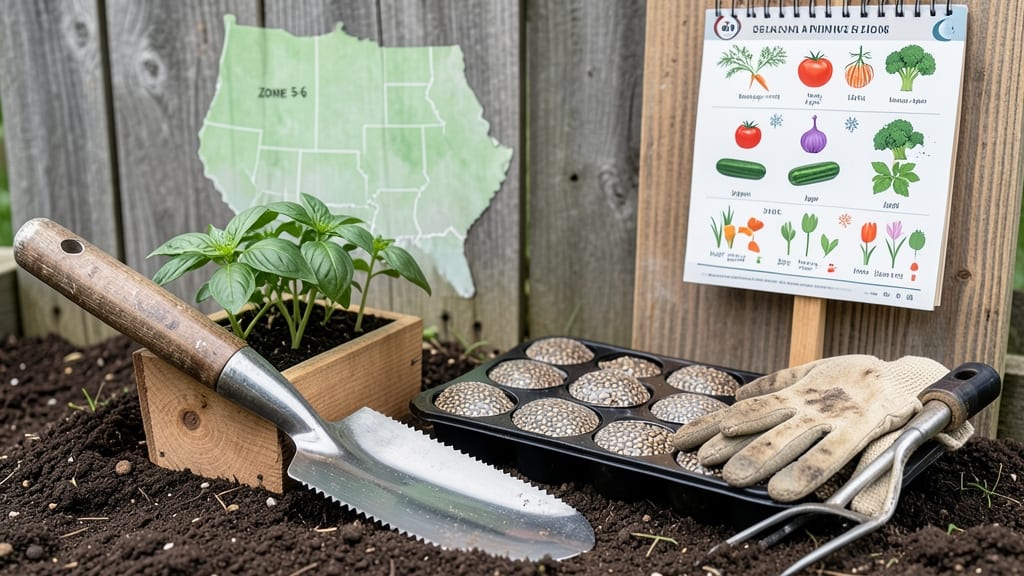
Planting a garden in Ohio isn’t just about grabbing seeds and digging in—it’s about beating the clock before Mother Nature throws you a curveball with late frosts or early heat waves. With Ohio’s Zone 6a/6b climate, timing your 🌱 General Garden Vegetables & Flowers just right means the difference between a thriving harvest and bitter disappointment (yes, even your tomatoes can judge you).
Most gardeners here learn the hard way: planting too early can leave your greens bolting into flower stalks, while waiting too long risks stunted growth from cramped seasons. The key?
Knowing Ohio’s last frost averages—typically mid-April in the north and a week earlier in southern regions—and adjusting for your local microclimate. I’ve spent years tracking these patterns, and the secrets I’m about to share will help you avoid the most common mistakes.
Whether you’re dreaming of crisp lettuce salads in May or juicy tomatoes by July, this guide breaks down the exact deadlines for cool-season starters (like peas and spinach) versus warm-season powerhouses (tomatoes, peppers).
We’ll also cover how to stretch Ohio’s short growing window without risking frost damage or bolted greens—because nobody wants their $20 seed packet to go to waste.
Ready to turn your Ohio garden from a gamble into a guaranteed success? Let’s dive into the zone-specific schedules and pro tips that’ll have your plants thriving while your neighbors are still crossing their fingers. Your harvest starts here.
Ohio Zone 5-6 planting deadlines by vegetable type (avoid bolting & frost damage)
Ohio’s Zone 5-6 climate means your planting window is tight—just 165 frost-free days between the last spring frost and first fall frost. Miss the mark, and you’ll end up with bolted lettuce or frost-nipped tomatoes. The key?
Knowing your last frost date (typically mid-April in southern Ohio, late April in northern Ohio) and adjusting for your microclimate. Urban areas often warm up faster than rural spots, so check your local USDA Plant Hardiness Zone Map or use the Old Farmer’s Almanac for your county.
For cool-season crops like spinach, peas, and kale, you can start seeds 4-6 weeks before your last frost date—often as early as late February or early March under row covers or in a cold frame.
Warm-season crops like tomatoes, peppers, and basil, however, won’t tolerate frost and must wait until 2 weeks after your last frost date. In Ohio, that usually means mid-to-late May for most regions.
Here’s the breakdown of Ohio’s planting deadlines for common vegetables, adjusted for northern vs. southern Ohio. Use this as your garden’s rulebook to avoid common mistakes like planting cucumbers too early or lettuce too late.
| Crop Type | Southern Ohio Deadline | Northern Ohio Deadline | Notes |
|---|---|---|---|
| Cool-Season (Start Indoors) | Late Feb - Early Mar (outdoors) | Early Mar - Mid-Mar (outdoors) | Spinach, peas, kale, lettuce. Use row covers for earlier starts. |
| Warm-Season (After Frost) | Mid-May | Late May | Tomatoes, peppers, basil, cucumbers. Soil must be 60°F+. |
| Fall Planting (6-8 Weeks Before Frost) | Early Aug | Mid-Aug | Kale, carrots, radishes, broccoli. Choose fast-maturing varieties. |
| Perennials & Flowers | Early Spring (Apr) or Fall (Sep) | Early Spring (Apr) or Fall (Sep) | Daylilies, coneflowers, lavender. Plant when soil is workable. |
Pro tip: Use a soil thermometer to confirm soil temperatures. Most warm-season crops need soil at 60°F+ before planting, while cool-season crops can handle 40°F+. If your soil is still cold in May, wait—frost damage is worse than delayed harvests.
I once lost an entire tomato transplant batch in 2022 because I planted them too early after a late frost in northern Ohio.
For succession planting, Ohio gardeners often make two or three plantings of fast-growing crops like lettuce, radishes, and bush beans. For example, plant radishes every 2 weeks from April to July to ensure a steady harvest.
This strategy works especially well for Ohio’s short season—it maximizes your yield without overloading your garden at once.
Don’t forget about fall planting, which can extend your harvest well into October or November. Crops like kale, carrots, and spinach thrive in cooler weather and can be planted as late as early August in southern Ohio or mid-August in northern Ohio.
Just pick fast-maturing varieties (e.g., ‘Early Wonder’ peas or ‘Red Sails’ lettuce) to beat the first frost.
Ohio’s microclimates can vary drastically—even within a 20-mile radius. A south-facing slope might warm up 2-3 weeks earlier than a low-lying valley. To account for this, I recommend planting a test row of bush beans or zucchini a week before your official deadline.
If they survive, you’ve got a green light for the rest of your garden.
Finally, always have a backup plan for Ohio’s unpredictable weather. Keep row covers or a small greenhouse on hand for late frosts, and choose disease-resistant varieties like ‘Defiant PhR’ tomatoes or ‘Tyee’ spinach, which handle Ohio’s humid summers better than standard varieties.
Timing your Ohio garden right isn’t rocket science—it’s about reading the climate, adjusting for your microclimate, and st
How to extend Ohio’s short growing season without risking bolted greens
Ohio’s short growing season—just 165 frost-free days—can make it tough to grow warm-season crops like tomatoes and peppers. But with the right strategies, you can safely extend your planting window without risking bolted greens or frost damage.
The key is using tools like row covers and cold frames to protect tender plants while giving them enough warmth to thrive.
For cool-season crops like spinach and peas, start seeds indoors 4-6 weeks before your average last frost date (mid-April in most of Ohio). This gives you a head start on the season.
In southern Ohio (Zone 6b), you might even squeeze in a second planting of fast-growing crops like radishes or lettuce in early September for a fall harvest.
Here’s my go-to